
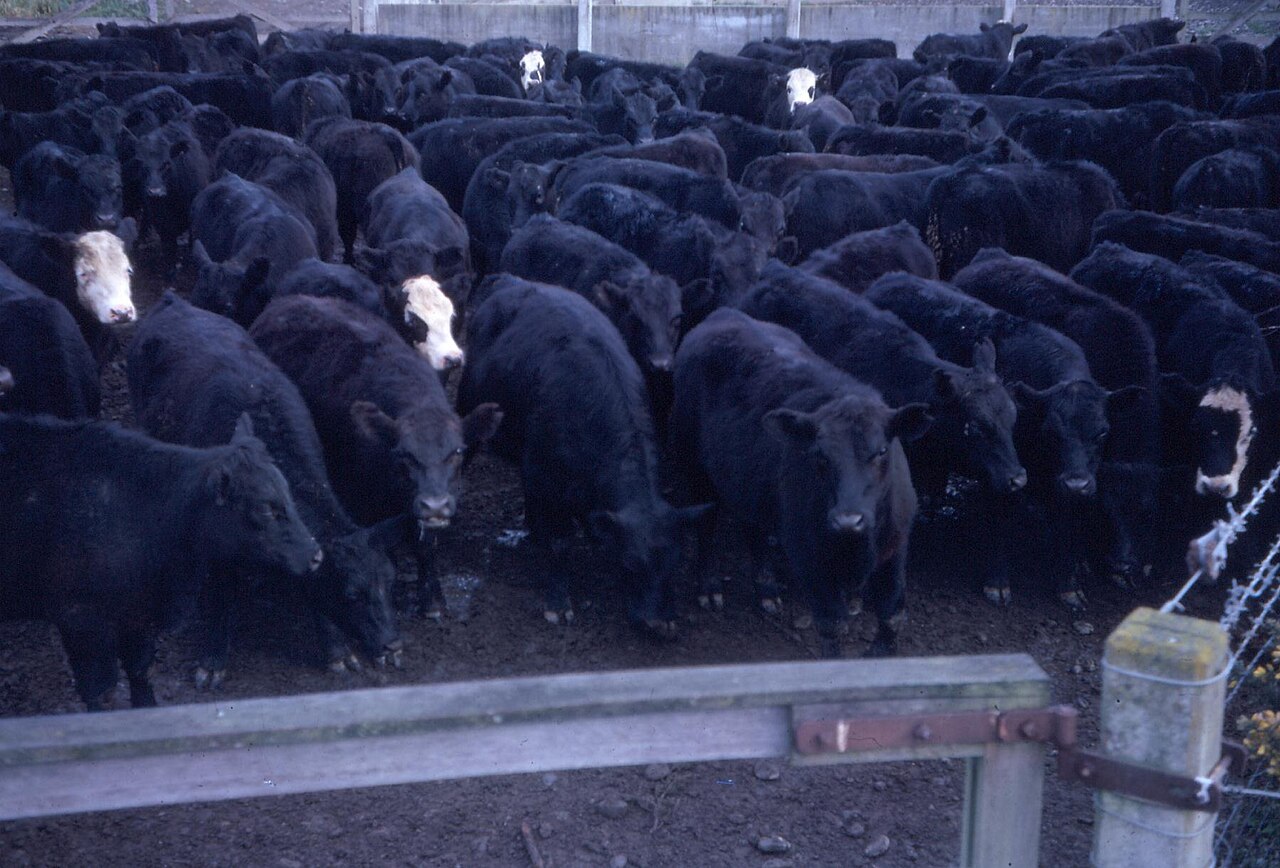
New Zealand is well placed to meet rising world demand for beef as the global cattle herd heads for a cyclical low, analysts from Global AgriTrends told the Red Meat Sector conference in Wellington.
Brett Stuart said President Donald Trump's decision to remove tariffs on 300,000 tonnes of imported beef would do more harm than good for the US industry. "If we want to grow our beef herd, we need prices to go as high as they can to create the incentive to grow the herd," he said, adding that there is no mechanism to pass lower import prices on to shoppers: "This idea that beef's going to be 25% cheaper absolutely is not happening."
His Australia-based colleague Simon Quilty said the only winners would be Paraguay and Brazil. Australia still has a supply shortage, with processors losing 250 Australian dollars a head on cows, a problem he expects to last 12 to 18 months.
If the global herd follows its usual cycle, it will be at its lowest next year and rebuild until about 2031. "New Zealand has a comparative advantage because it is forecasting next year to be up 7.8%," Quilty said, crediting the close link between the country's beef and dairy herds for a quick turnaround.
Demand is rising sharply, the analysts said, with beef pulling away from pork and chicken as a preferred protein. Quilty linked it to protein-heavy diets, including those that go with GLP-1 weight-loss drugs, and Stuart pointed to the improved quality and safety of US beef.
The report was published by Farmers Weekly NZ.
Photo: MaryvanRossen / Wikimedia Commons (CC BY-SA 3.0)
Source: Farmers Weekly NZ

Comments
(0)