
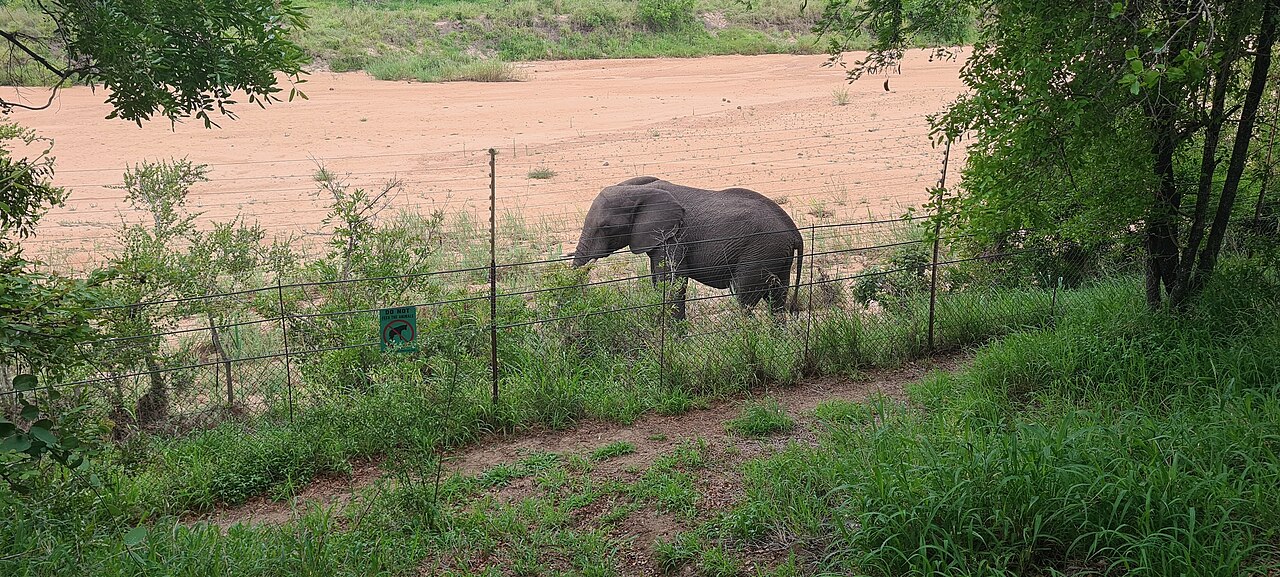
Farmers in Tanzania's Kilombero Valley grow sugarcane and rice on land that sits on a migration route for savanna elephants moving between mountain terrain and lowland forest, and the fences they used were not keeping the animals out. A 14km wildlife corridor, enclosed by an elephant-proof electric fence, is now being built to give the elephants safe passage and keep them off the crops.
The first stage of the work, a trial corridor for the Tanzania Wildlife Management Authority, is already under way. Hamilton-based Gallagher is supplying the hardware: insulators, bobbins, earthing and energisers made in New Zealand, plus security technology with software that lets the fence be monitored remotely. "Elephants can sense if a fence is offline, so it's important clients can monitor and react quickly by sending a team out," said Mark Smit, Gallagher's head of perimeter fencing for Africa, Asia and the Middle East.
The corridor is 200m wide. Its electric fence uses treated 1.3m wooden posts on both sides, with extra height from 1.2m electrified 'elephant whiskers', angled offset stalks of 4.5mm steel wire that stop the animals getting close to the posts. "Elephants are very clever and if you give them an opportunity to get their trunks over a post to pull it, they're going to do it," Smit said. There are sugarcane crops and rice fields on either side of the corridor.
The route links Udzungwa Mountains National Park with Nyerere National Park and the adjoining Magombera Forest, and 100,000 native trees have been planted along it. Smit said it will be the first of around 70 corridors that need to be enclosed, and the first such project in Tanzania; the company's products are already used on 2,500km of national park fencing in Kenya.
Hamish Wiig, Gallagher's general manager for a territory that includes Africa, said the project helps protect farmers' crops, because elephants moving through the area can destroy sugarcane plantations and have a significant impact on people's livelihoods.
Photo: Bernard Dupont / Wikimedia Commons (CC BY-SA 2.0)
Source: Farmers Weekly NZ


Comments
(0)