
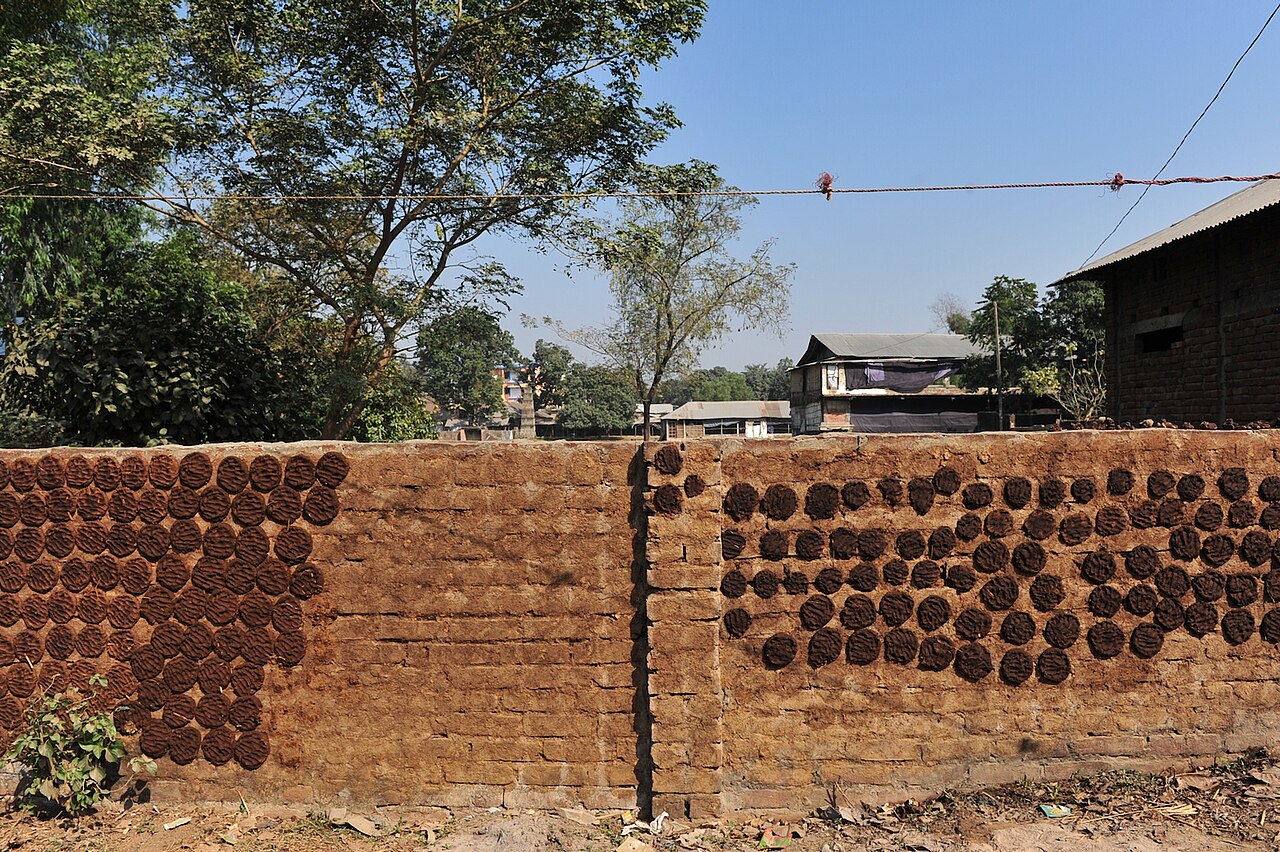
Dung piles up every day in cowsheds, farms and courtyards in Sadullapur, Gaibandha, but because it is not stored and processed properly it does not reach the fields as organic manure. The upazila's livestock office puts annual output of dung and animal droppings at about 447,540 tonnes, yet only 70,000 tonnes is used as processed organic fertiliser.
The agriculture office says crops are grown on 17,935 hectares in the upazila over the year and need about 130,000 tonnes of processed manure. To make up the shortfall of some 60,000 tonnes, farmers use an extra 700 tonnes of urea, 300 tonnes of MoP and 200 tonnes of TSP a year, worth about Tk 2.79 crore.
The upazila has 199,236 cattle, 97,326 goats and 5,719 sheep. Many farmers spread raw dung straight on the land, some dry it as cooking fuel and some feed it to fish ponds. Farmers Zahidul Islam of Islampur, Jobed Ali of Chhaigari and Mostafizur Rahman of Joyenpur said they do not know whether their dung is prepared properly and have had no training on it.
Upazila livestock officer Dr Tanvik Jahan said there is no government training on storing dung and no market for selling stored dung. Upazila agriculture officer Apurba Bhattacharya said there is no budget for hands-on training, though officers try to explain it at farmer group meetings.
Sub-assistant agriculture officer Moniruzzaman advises keeping raw dung under a solid roof in the shade, away from rain and harsh sun; a light sprinkle of urea speeds decomposition into manure, and slurry from biogas plants also makes good organic fertiliser. Plant protection officer Abdur Rob Sarkar said dung improves soil structure and water-holding capacity and helps offset damage from long use of chemical fertiliser.
Kamrul Islam, president of the upazila farmers' association, said if Sadullapur alone could save 1,200 tonnes of chemical fertiliser, proper dung management in every upazila could save a great deal of money; farmers and livestock keepers need hands-on training for that.
Photo: Melanie Ko / Wikimedia Commons (CC BY 2.0)
Source: Samakal


Comments
(0)