
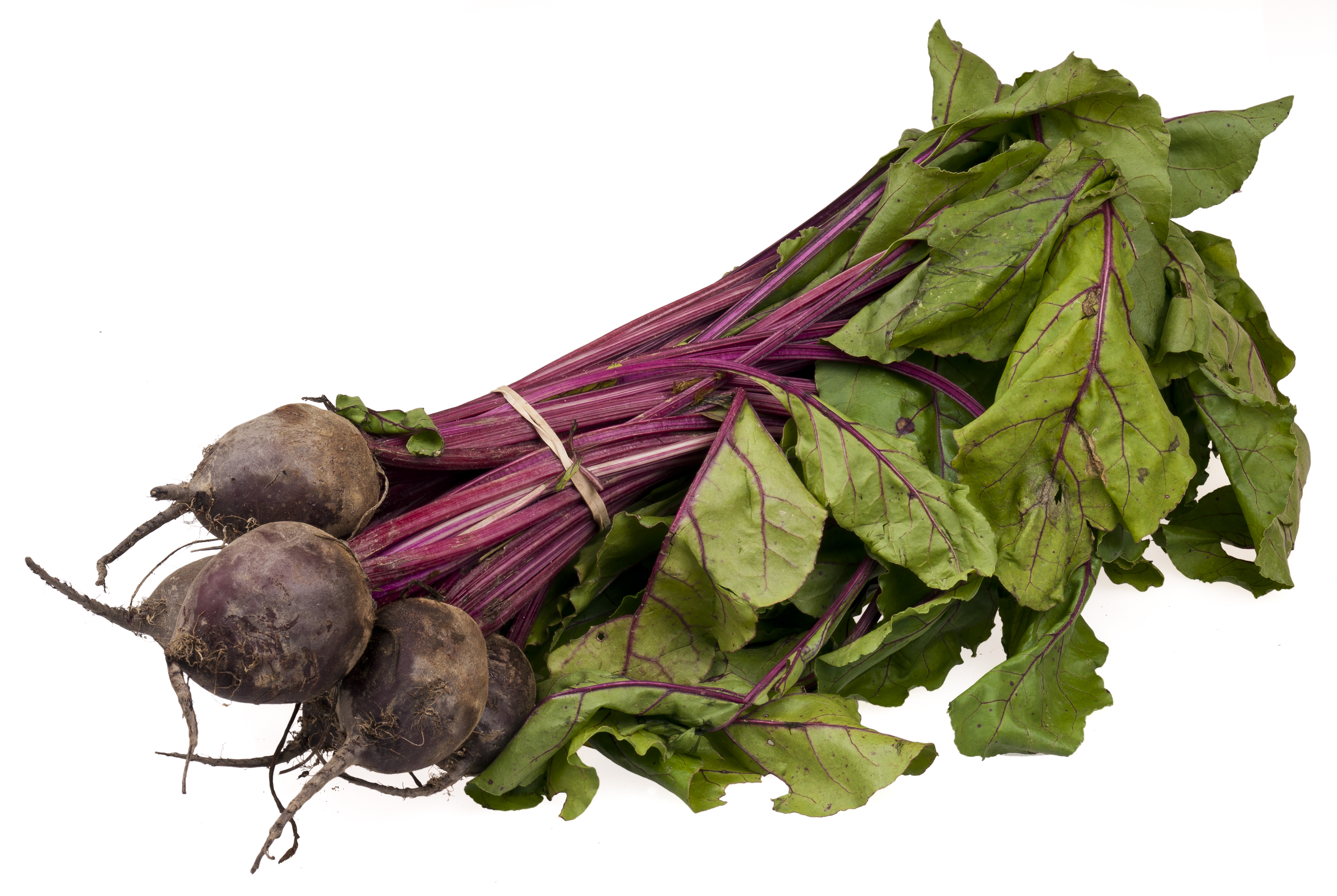
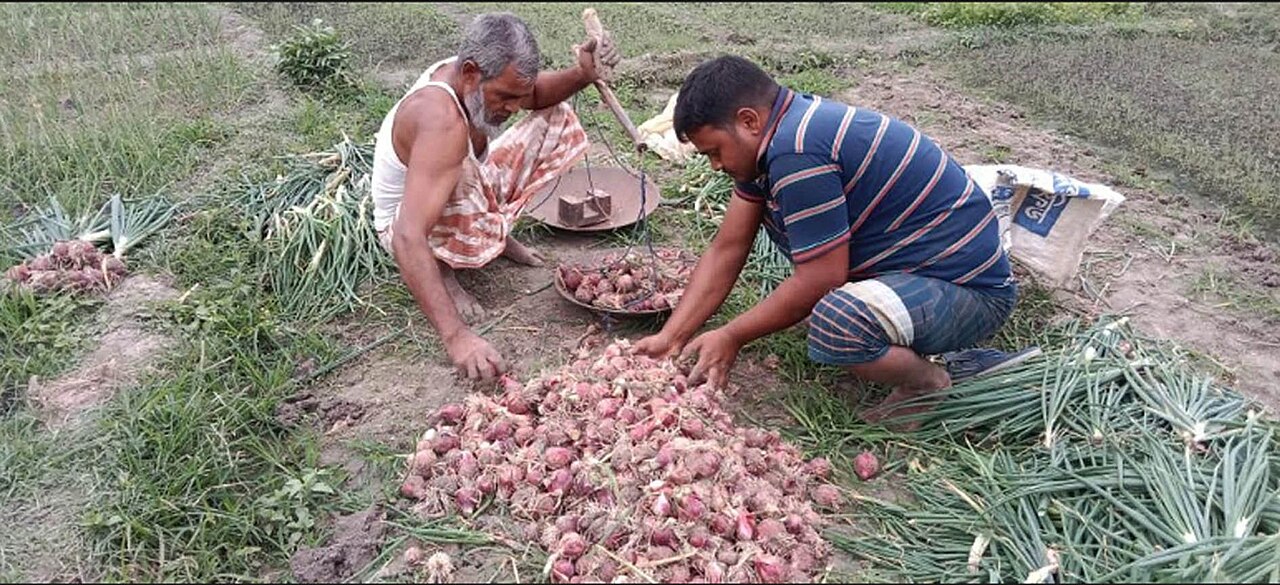
In February 2025 a farmer couple in Gaibandha were harvesting what the district's agriculture office described as Gaibandha's first commercial crop of beetroot. Faruquzzaman Faruk and Mahfuza Begum, of Suparir Bhita village in Laxmipur union, Gaibandha Sadar upazila, had grown the foreign vegetable on 20 decimals of land instead of the rice, jute and other familiar crops they had farmed for years. Jagonews24 reported their story on 12 February 2025; Bonik Barta had carried a report on the same fields three days earlier, on 9 February.
How the couple turned to beetroot
The couple told Jagonews24 that they had long grown rice, jute and other traditional crops without making much profit from any of them. Beetroot, they said, had brought them more profit than their other crops within three months. According to Bonik Barta, they took up the crop with advice and support from officials of the SMAP project run by SKS Foundation, a non-governmental organisation based in Gaibandha. Faruk told that paper he had sown the beetroot on his 20 decimals the previous November with Tk 20,000 in support from SKS.
The decision was not an easy one at home. Mahfuza Begum told Jagonews24: "Our sons agreed, but my husband wasn't willing to grow an unfamiliar vegetable. After watching on his mobile and consulting various people, he eventually agreed. The crop has done well, and many people want to grow beetroot after seeing ours."
Faruk described the harvest in figures. "I grew beetroot on 20 decimals. There are now about 1,000 kg of beetroot in the field. I'm selling at a minimum of Tk 150 and up to nearly Tk 200. I hope to make a profit of more than a lakh taka," he told Jagonews24. He gave Bonik Barta the same quantity and the same price range, Tk 150 to Tk 200 a kilogram, and said that altogether the crop would bring a profit of more than a lakh (100,000) taka. These were the farmer's own expectations in the middle of the harvest; neither report gave the couple's costs, and the final result was not known when the stories were published.
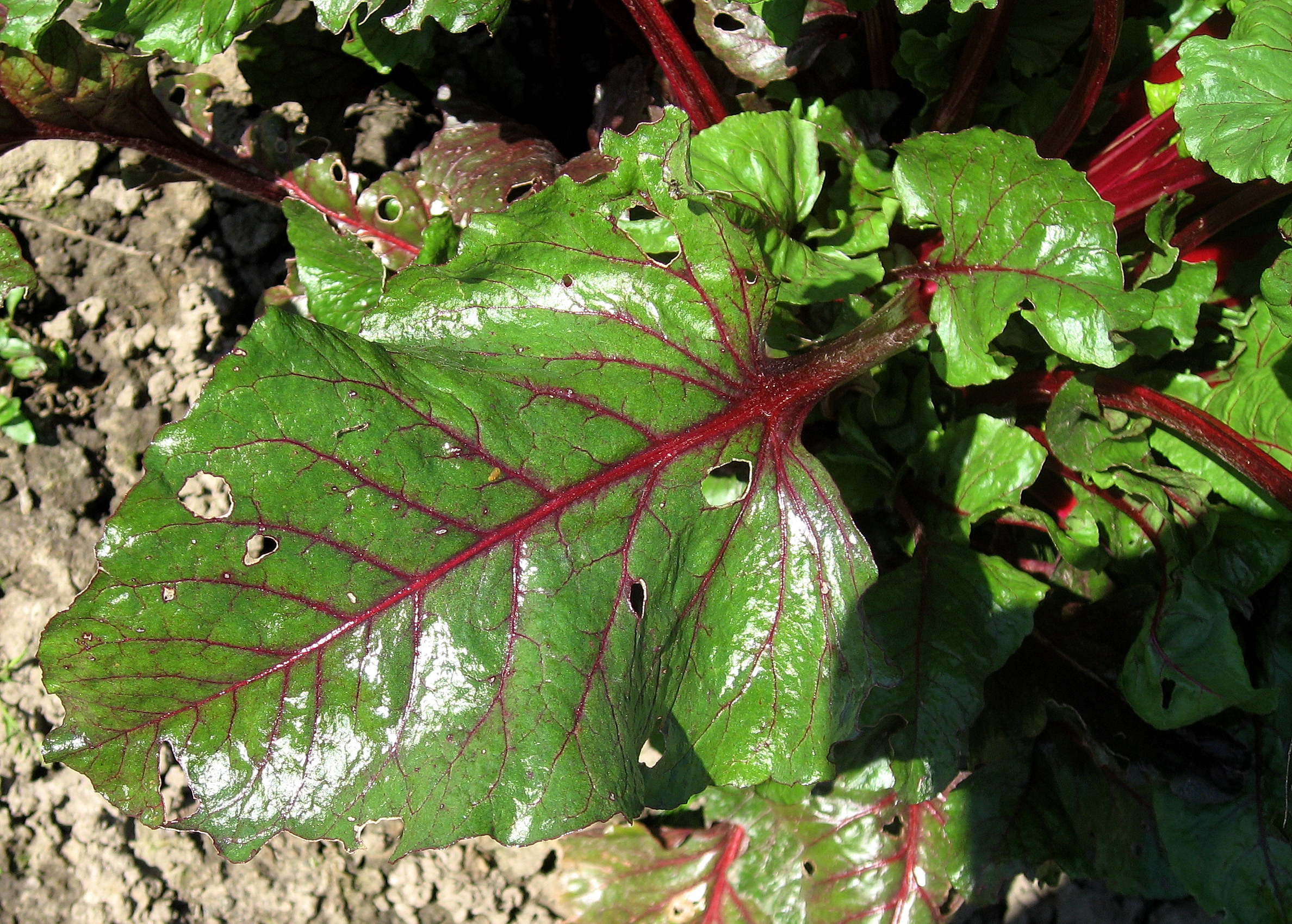
Both reports described the plant the way the farmers saw it. The beetroot plant looks much like spinach but differs in colour, with green and reddish leaves, and the root below is deep pink or reddish purple. It grows most in winter but can be found all year, and, as the local farmers told Bonik Barta, prices stay good throughout the year. Both papers called it a "superfood" with nutritional and medicinal qualities; what nutrition authorities and medical research actually say about it is set out further below.
Thirty decimals across two upazilas
Information from the Department of Agricultural Extension (DAE) in Gaibandha, cited by Bonik Barta, put the district's first commercial beetroot crop at 30 decimals in all. Of that, 20 decimals were the couple's field at Suparir Bhita in Laxmipur union of Sadar upazila, and the other 10 decimals were in Bhashar Para village of Kanchipara union in Fulchhari upazila. The decimal, or shotok, is the land unit still used in rural Bangladesh and West Bengal: one hundredth of an acre, or about 40.47 square metres.
The couple's results were drawing attention. Bonik Barta wrote that farmers around them were being encouraged by their success, and Jagonews24 spoke to one of them, Mehedi Hasan Nayan, a young man from neighbouring Beradanga village. He had grown beetroot in his yard to begin with and said he planned to grow it on a larger scale. "I see good demand for this vegetable, and prices stay good all year. There's no chance of a loss," he told the paper.
The agriculture department told Jagonews24 that Gaibandha's loam and sandy loam soils were suitable for beetroot, that the crop yields in just three months and that there was great potential for growing it in the region. Md Khorshed Alam, deputy director of the DAE in Gaibandha, told Jagonews24: "The agriculture department is giving the farmer couple regular advice and support. If it can be produced on a large scale, it will be possible to meet the country's demand and earn foreign currency through exports." To Bonik Barta he said: "Beetroot has been grown on 30 decimals in the district for the first time. Gaibandha's soil is suitable for beetroot cultivation. It is a profitable crop. Steps will be taken to expand beetroot cultivation in the future."
The DAE is the government department responsible for agricultural extension in Bangladesh, working under the Ministry of Agriculture with its headquarters in Dhaka. It was formed in 1982 by merging the Agriculture Directorate (Extension and Management), the Jute Directorate, the Plant Protection Directorate, the Horticulture Board, the Tobacco Development Board and the Central Extension Resource and Development Institute. It ran the Training and Visit system of farmer training until 1990 and then moved to group training; since 1996 its work has been planned under the New Agricultural Extension Policy.
SKS Foundation and its farm finance scheme
SKS Foundation describes itself as a national non-government development organisation established on 1 December 1987. In its Annual Report 2023-'24 it says it was founded by a group of local young men and women to fight oppression and to work for the development of poor and marginalised char dwellers, the people of the river islands, in Gaibandha district.
SMAP, the scheme named in the Bonik Barta report, is the Small and Marginal Sized Farmers Agricultural Productivity Improvement and Diversification Financing Project. According to the same annual report, which covers July 2023 to June 2024, SKS supported 9,186 farmers under the scheme that year, 9,151 of them women. It distributed Tk 567,409,000 and had Tk 307,964,508 outstanding at the end of the year. Loans under the scheme ranged from Tk 5,000 to Tk 200,000, set according to each farmer's needs and capacity, and the money came with training and technical help in three areas: agriculture, agricultural machinery and livestock.
Harun-or-Rashid, manager of the SMAP project at SKS Foundation, told Bonik Barta: "We have given the farmers financial and technical support from the start. We are also helping with marketing."
Gaibandha: a farming district on big rivers
Gaibandha is a district of Rangpur division covering 2,114.77 square kilometres, according to Banglapedia, the national encyclopedia of Bangladesh. It is bounded by Kurigram and Rangpur districts to the north, Bogura to the south, Jamalpur, Kurigram and the Brahmaputra river to the east, and Joypurhat, Dinajpur and Rangpur to the west. Its main rivers are the Brahmaputra, Jamuna, Tista, Karatoya, Bangali and Ghaghat. The area was once the Bhabaniganj subdivision, set up in 1858; its headquarters moved to Gaibandha in 1875 after Bhabaniganj was lost to river erosion, and Gaibandha became a district in 1984.
The district has seven upazilas, 82 unions and 1,082 mouzas. The 2011 census counted 2,379,255 people, and the 2022 census of the Bangladesh Bureau of Statistics counted 2,562,232. Farming dominates the local economy: in the 2011 census figures Banglapedia uses, agriculture was the main source of income for 65.08 per cent of households in the district.
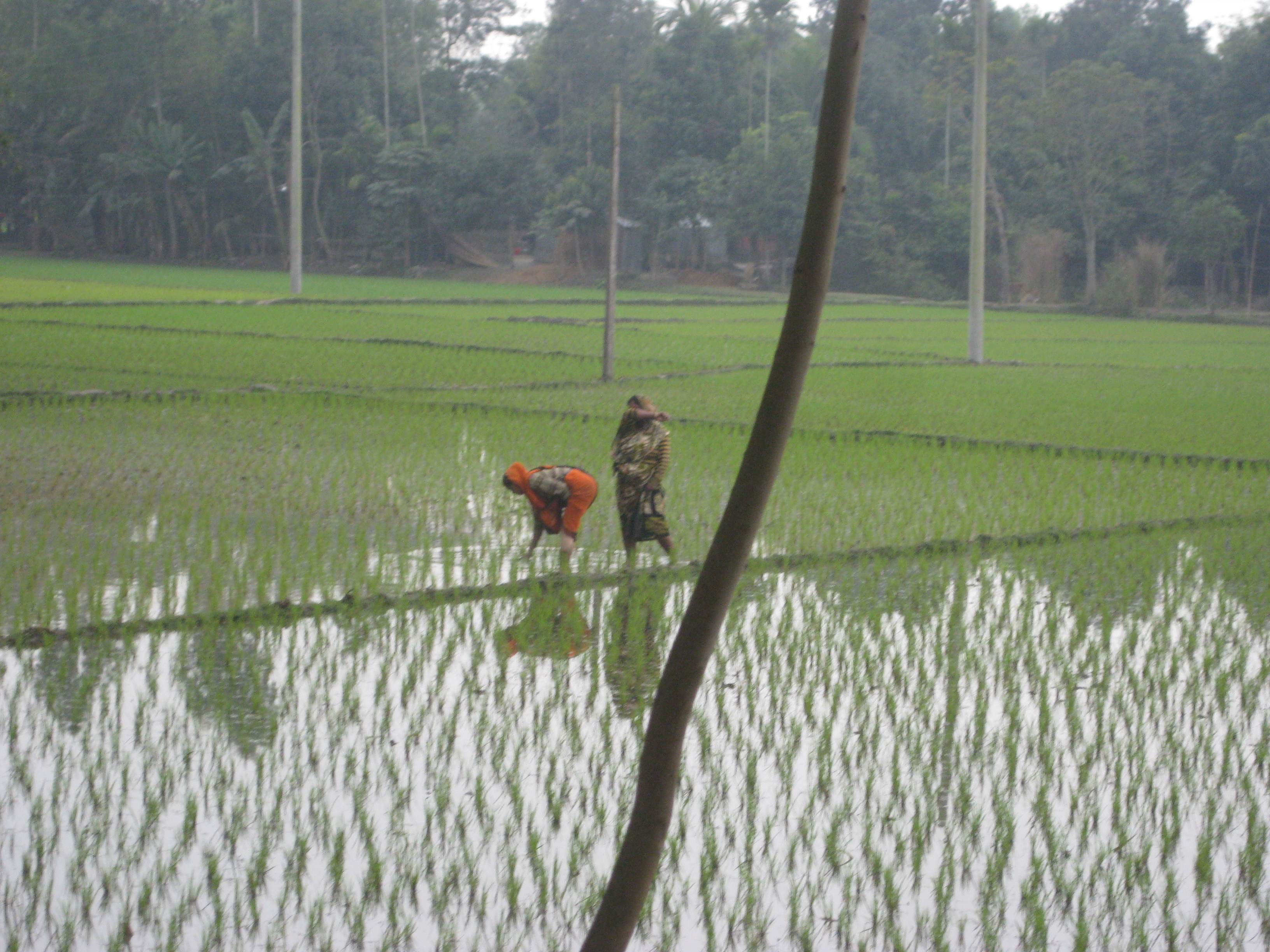
Gaibandha Sadar, the upazila where the couple farm, covers 324.05 square kilometres and has 13 unions, Laxmipur among them; it had 437,268 people in 2011. Banglapedia lists its main crops as paddy, jute, wheat, potato, mustard, masur (lentil), peanut, maize and vegetables, and its main exports as paddy, jute and vegetables. Aus paddy, sugarcane, sweet potato and kaun (foxtail millet) are recorded as extinct or nearly extinct crops there. Agriculture was the main income for 55.23 per cent of the upazila's households, and 49.30 per cent of households were landless. Lakshmipur hat is among the upazila's best-known markets, and an Agricultural Training Institute has worked in the upazila since 1954.
The soils follow the rivers. Banglapedia's account of the country's agroecological regions describes the Tista Meander Floodplain, which takes in the floodplains of the Tista and Karatoya among others, as having broad ridges with olive-brown, rapidly permeable loamy soils, moderately acidic, low to medium in fertility and with good moisture-holding capacity. The Young Brahmaputra and Jamuna Floodplain has permeable silt loam to silty clay loam soils on its ridges, neutral to slightly acid, low in organic matter on the ridges and deficient in nitrogen, phosphorus and sulphur. These are the general conditions of the region's floodplains; what an individual field needs is a matter for a soil test and the local agriculture office.
What beetroot is
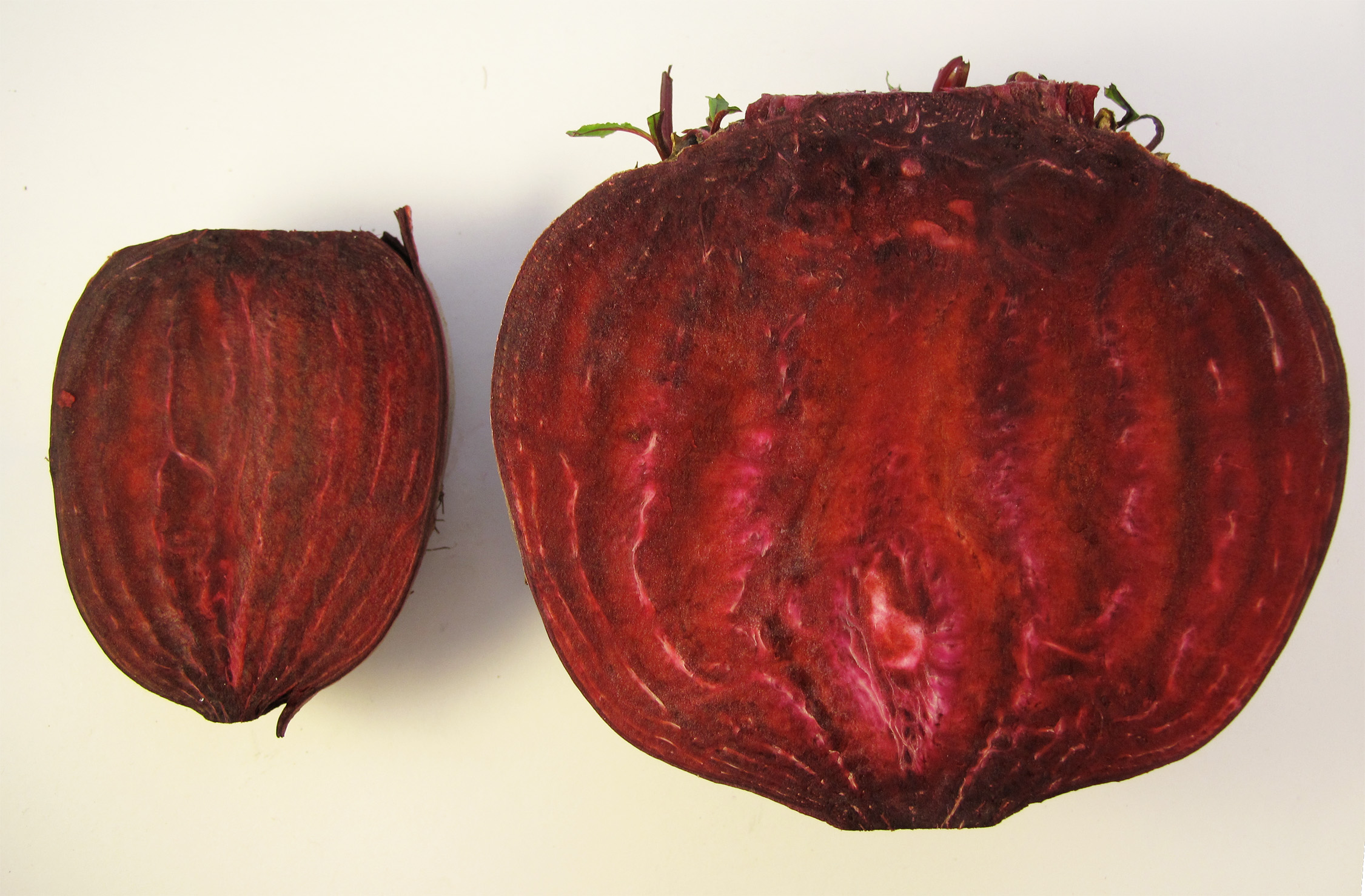
Beetroot is the taproot of Beta vulgaris subsp. vulgaris in the Conditiva Group, the plant also known as table beet, garden beet or red beet. Its leaves are eaten as a leafy vegetable, beet greens. The same subspecies includes other cultivated forms grown for root or leaf: the sugar beet used for sugar, Swiss chard (spinach beet) and the fodder crop mangelwurzel. Beetroot was domesticated in the ancient Middle East, at first mainly for its leaves, and was grown by the ancient Egyptians, Greeks and Romans; by the Roman era it is thought to have been grown for its root as well. Written records of it go back to the eighth century BC in Babylonia.
Its red colour comes from betanin, a pigment of the betalain group. Betanin taken from the roots is used in industry as a red food colouring, and a large share of the world's commercial beetroot is processed into boiled, sterilised or pickled products. The root can be eaten raw, roasted, steamed or boiled; in Indian cooking chopped, cooked and spiced beetroot is a common side dish, and in Eastern Europe it is the base of soups such as borscht. Young leaves can be eaten raw in salads and older leaves cooked like spinach.
In Bangladesh it is still an unusual crop. Banglapedia notes that nearly 100 kinds of vegetable, local and exotic, are grown in the country, and names cabbage, cauliflower, tomato, brinjal, radish, hyacinth bean and bottle gourd as the major winter vegetables; beetroot does not appear in its table of major vegetables. The same entry notes that vegetable availability in the country is only about a fifth of the recommended 200 grams per person per day.
How the crop is grown
Beetroot is a cool-season vegetable. Utah State University Extension, in a peer-reviewed fact sheet published in May 2020, says beets prefer sunny places and fertile, deep, well-drained soils with plenty of organic matter, that the seeds take 7 to 14 days to emerge and that hot weather reduces germination. Tamil Nadu Agricultural University (TNAU) in India, whose crop guide was last updated in 2013, says the crop comes up well in all types of friable soil, with a suitable pH of 6.0 to 7.0, and calls it a cool-weather crop. Popular varieties in Tamil Nadu, it says, are Ooty 1, Crimson Globe, Detroit Dark Red and Red Ball.
A beetroot "seed" is usually a corky cluster of several seeds rather than a single one, the Royal Horticultural Society (RHS) in Britain explains, so one sowing can give several seedlings. The RHS suggests soaking the seed in warm water for an hour before sowing because it can be slow to germinate. The steps TNAU gives for a field crop are:
- Plough the land to a fine tilth and form ridges and furrows 30 cm apart.
- Sow the seed directly on the ridges, 10 cm apart; about 6 kg of seed is needed for a hectare.
- Irrigate well immediately after sowing, and afterwards as needed.
- About 20 days after sowing, thin the seedlings to leave one plant per hill.
Utah State University adds that beets do not compete well with weeds, so weeding matters most while the young plants grow slowly, and that hoeing close to the plants should be avoided because damaged roots reduce growth and yield. Beets also need enough boron: black, sunken spots on or in the root generally point to low boron in the soil, and boron-deficient plants are more prone to root diseases. TNAU publishes a full fertiliser schedule for Tamil Nadu conditions; the right doses for a Bangladeshi field should come from the upazila agriculture office, which can also arrange a soil test.
TNAU lists leaf miner and flea beetle as the main pests and Cercospora leaf spot and Rhizoctonia root rot as the main diseases. Utah State University recommends rotating the crop's place from year to year to help control disease. The RHS warns that in hot, dry weather or very cool conditions beetroot may bolt, sending up flowers instead of swelling the root, and that bolt-resistant varieties reduce the risk. For any spray, farmers should follow the advice of the local agriculture officer.
On timing, Utah State University says roots are generally mature 60 to 80 days after sowing, depending on the variety, and become more fibrous as they grow larger; it advises storing them close to freezing at high humidity, where they keep for two to four months. TNAU gives a yield of about 20 to 25 tonnes per hectare in 120 days under Tamil Nadu conditions. The DAE in Gaibandha told Jagonews24 that the crop gives a harvest in three months there.
Nutrition and health: what the authorities say
The United States Department of Agriculture's FoodData Central database gives the composition of raw beets per 100 grams: 87.58 g of water, 43 kilocalories, 1.61 g of protein, 0.17 g of fat and 9.56 g of carbohydrate, of which 6.76 g are sugars and 2.8 g dietary fibre. The same 100 grams contain 109 micrograms of folate, 325 mg of potassium, 78 mg of sodium, 23 mg of magnesium, 0.8 mg of iron and 4.9 mg of vitamin C.
The best-studied health effect concerns blood pressure. A systematic review and meta-analysis by Mario Siervo and colleagues at Newcastle University, published in the Journal of Nutrition in 2013, pooled 16 randomised trials carried out between 2006 and 2012 with 254 participants in all. Taking inorganic nitrate or beetroot juice for periods of two hours to 15 days was associated with a fall in systolic blood pressure of 4.4 mm Hg on average, while the change in diastolic pressure was not statistically significant. The authors wrote that the findings needed to be tested in long-term trials and in people at greater cardiovascular risk.
Beetroot can also change the colour of urine. MedlinePlus, the health information service of the US National Library of Medicine, lists beets among the causes of pink or red urine, along with blackberries and some food colourings. It advises seeing a health care provider about any red, pink or smoky-brown urine that is not explained by a food or medicine, and about any blood in the urine, even once.
Beetroot is a vegetable, not a medicine. People with high blood pressure, kidney disease or any other condition who want to change their diet or take beetroot juice regularly should talk to a doctor first, and should not stop prescribed treatment.
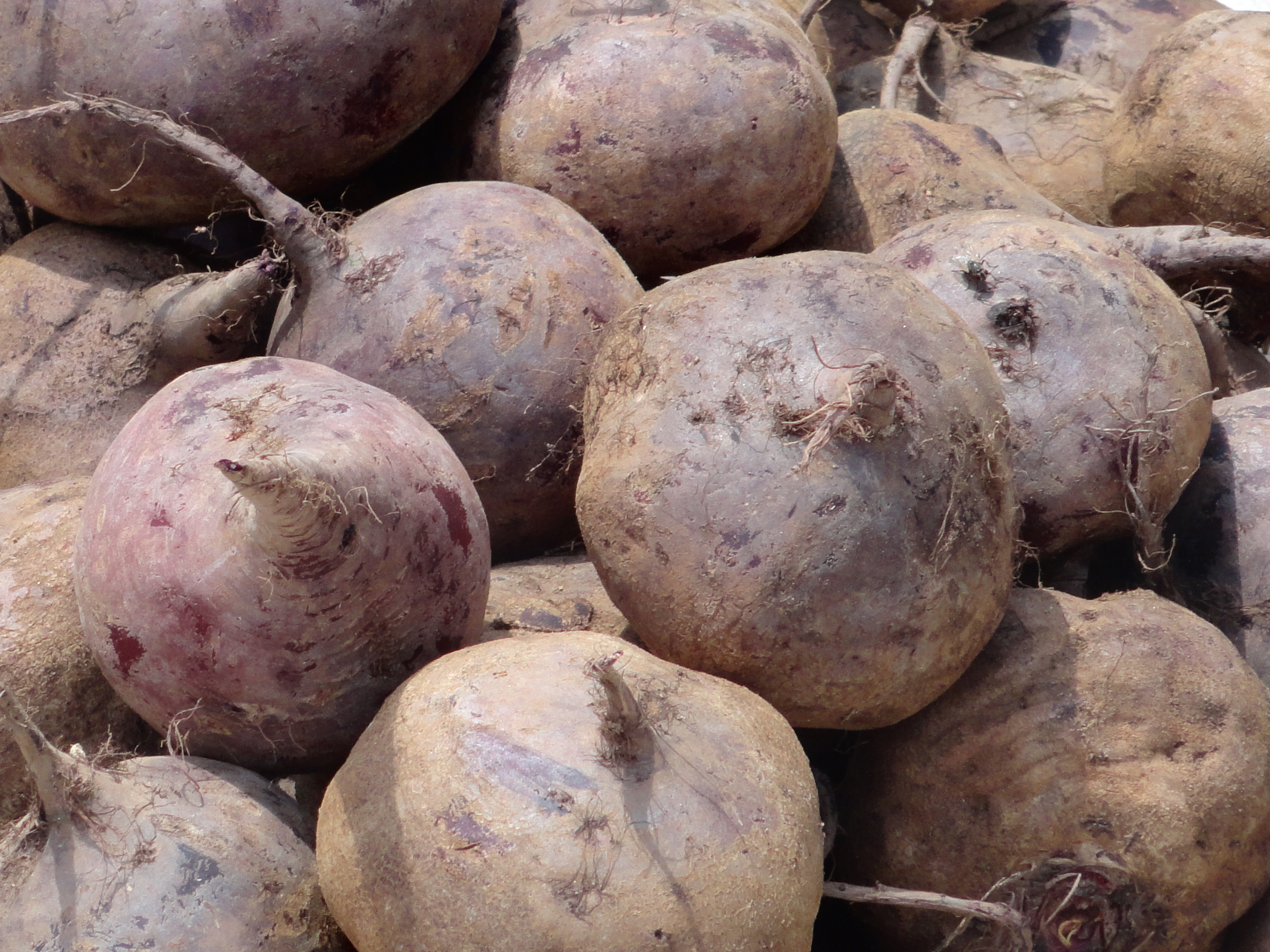
Photo: Evan-Amos / Wikimedia Commons (CC0)
Sources: Jagonews24, Bonik Barta, Department of Agricultural Extension (DAE) Gaibandha, SKS Foundation (Annual Report 2023-'24), Banglapedia, Bangladesh Bureau of Statistics (Population and Housing Census 2022), Utah State University Extension, Tamil Nadu Agricultural University, Royal Horticultural Society, USDA FoodData Central, Journal of Nutrition (Siervo et al., 2013), MedlinePlus (US National Library of Medicine), Wikipedia
Comments
(0)