
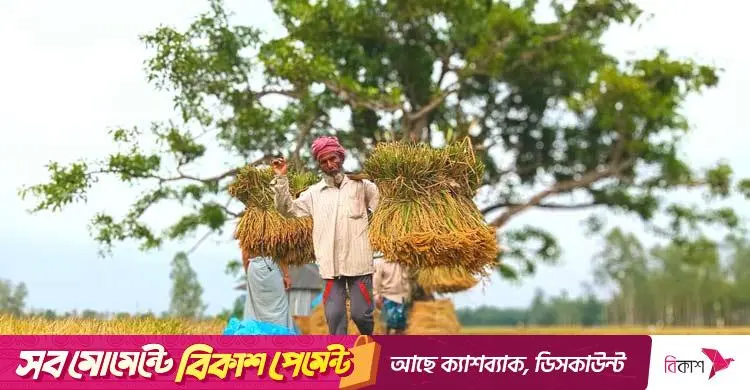
With a load of paddy on his shoulders, Gafur Mia runs as if racing the wind. Even after daylight fades and evening falls, the festivity in the fields does not stop. The creak of sickles and the tunes of bhawaiya songs fill the harvest, a different kind of feeling in which even the count of time is lost.
Each year the boro paddy harvest begins in rural Bangladesh in April and May. The season starts right after the aman season ends. Planting begins in the Bengali months of Kartik and Agrahayan (October-November), and harvesting continues through Baishakh and Jyoishtho (April-June). The crop, grown from the start of late autumn to the middle of summer, yields in spring, so it is also called "basantik dhan", or spring paddy.
A festival for farming families
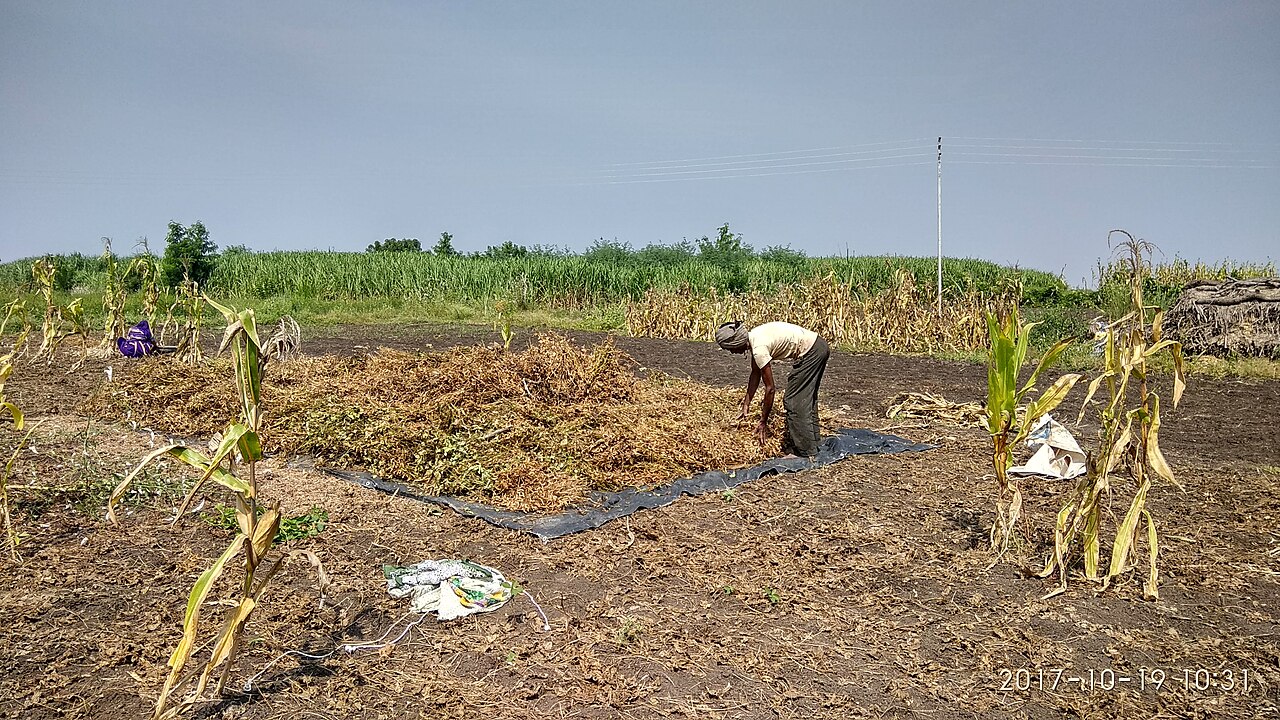
This time is a festival for farming families. After six months of work in the fields under sun and rain, when harvest time comes it is not only paddy that is cut but a kind of happiness and relief. Men usually cut paddy in groups. Those who do not own land also take part, working for wages on others' fields. Answering a neighbour's need for nothing more than a wage is the tradition of rural Bangladesh.
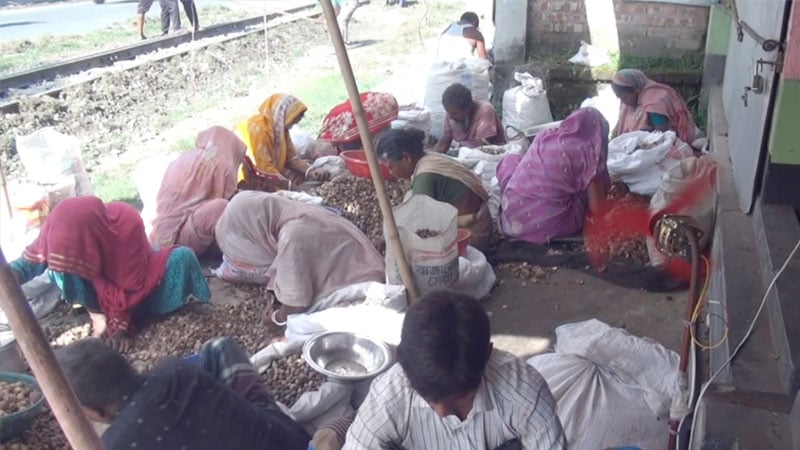
At home the scene is different. The women of the household are busy sorting and threshing with winnowing trays and baskets. Winnowing paddy in the natural breeze of a south-facing room to clean out the chaff looks like a living work of art.
A sharecropper without regret
The hero of this story, Gafur Mia, is a sharecropper. This season he farmed 2.5 bighas of land belonging to a schoolteacher in the neighbouring village, and received half the yield as his share. With a good harvest, that share alone can support him for six months. His father and grandfather once owned land, but it is now in the river. Still there is no regret in his eyes. After harvesting the paddy on the land he farms, he is now cutting paddy on other people's land for wages. As he talks, his gentle smile seems to say that he is content and fulfilled with this modest life.
In the Kurigram and Lalmonirhat region this period is called "Katamari", and around it grows the festival of "Halkhata". From ploughing onwards, farmers take oil, fertiliser and other necessities on credit from local shops. After Katamari they sell the crop and settle their dues with shopkeepers on Halkhata day. The economic cycle ends with sweets and expressions of gratitude. It is not just a time for settling accounts but a bright example of rural socio-economic life.
Dignity for those who feed us
The question remains: does society give real dignity to the person who puts rice in our mouths, whose hands grow the golden crop? This priceless work of soil and people is bound up with sacrifice and a history of struggle, yet those names are often ignored in the state's records.
Ending this neglect is now the demand of the time. A strong and peaceful state can be built only by ensuring respect, incentives and social security for farmers. For the one who stands at the very centre of food security still gives us, in the golden crop of his hands, the scent of the soil and the true taste of life.
The writer is a student of the Department of History, Government Titumir College, Dhaka.
Source: Jagonews24. First published in Bengali on The Agro News.
Comments
(0)