
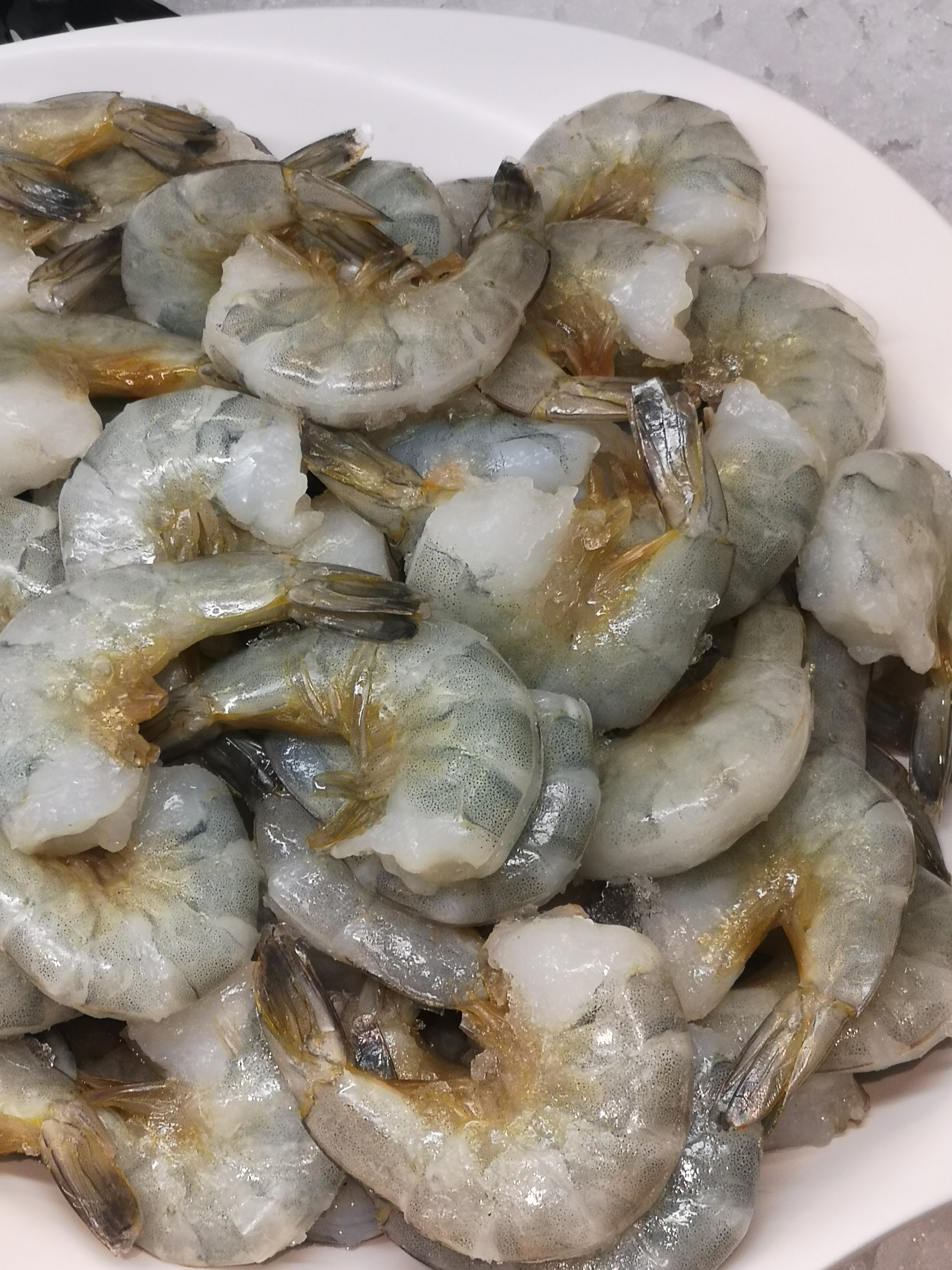
Whether it goes into a malaikari, a bhuna or any other dish, a prawn that is not fresh spoils the flavour and can raise the health risk. A Jagonews24 lifestyle report published on 8 July 2026 warned that prawns kept in cold storage for a long time, or of poor quality, are often sold in Bangladeshi markets as fresh, and that buyers can check quality themselves with a few simple signs rather than trusting the seller. Guidance from the US Food and Drug Administration (FDA) and food science research point to the same signs.
Bangladesh's two main prawns: galda and bagda
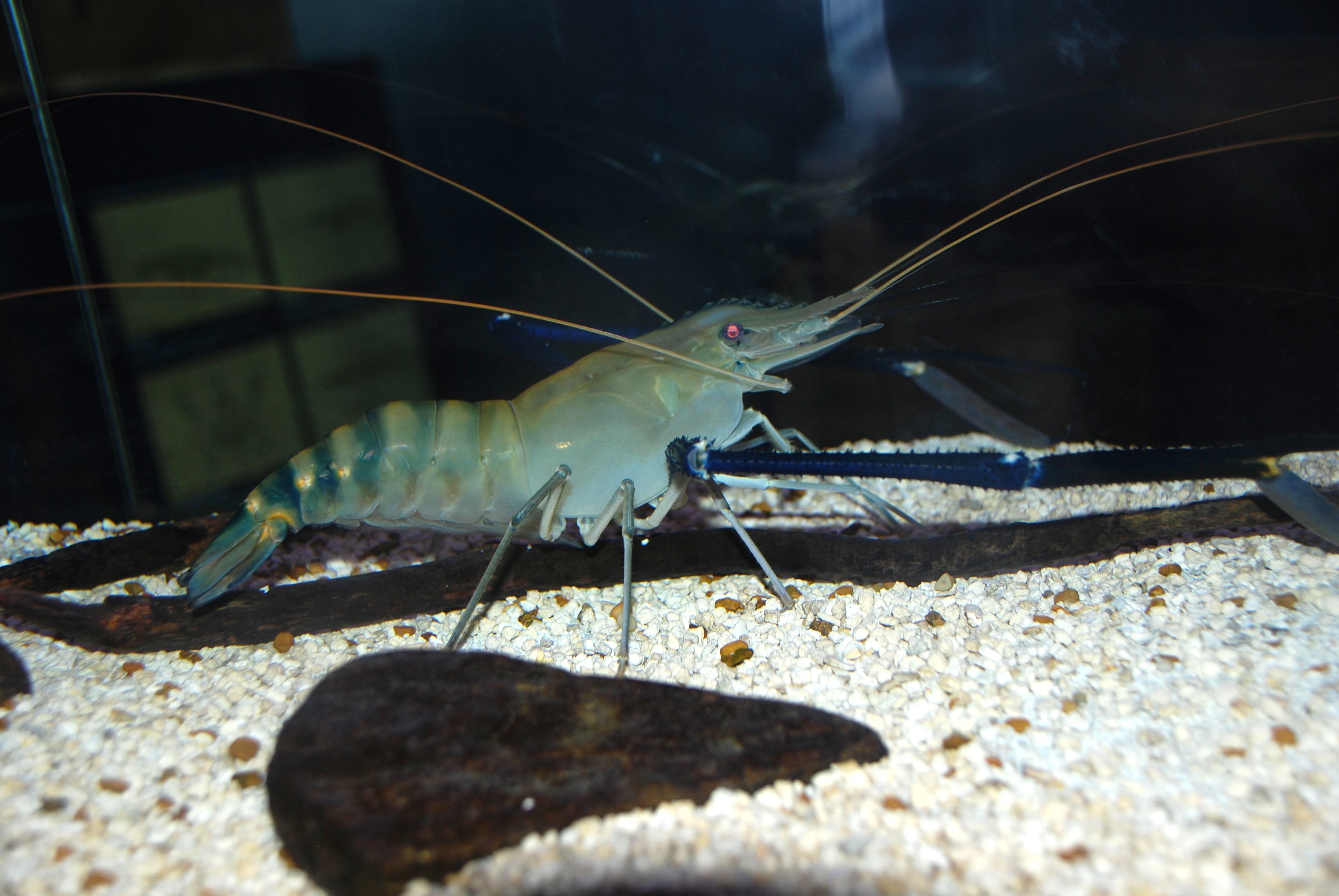
According to Banglapedia, 56 species of prawn and shrimp have been reported in Bangladesh, spread across marine, brackish and fresh water. The two best known in the market are galda and bagda. Galda (Macrobrachium rosenbergii) is the giant freshwater prawn of rivers, tributaries, canals and river mouths, farmed in Bagerhat, Khulna, Jessore, Patuakhali, Barisal, Chittagong and other districts. Bagda (Penaeus monodon), the giant black tiger shrimp, lives in the Bay of Bengal and its estuaries and is farmed in the coastal areas of Satkhira, Khulna, Bagerhat and Cox's Bazar. Banglapedia notes that both species earn the country substantial foreign exchange through exports.
Checking smell, firmness and colour
Smell is the easiest test. The FDA advises that seafood should smell fresh and mild, not fishy, sour or ammonia-like. For shrimp, it says the flesh should be clear with a pearl-like colour and little or no odour. If prawns give off a sharp or sour smell, it is safer not to buy them.
The Jagonews24 report said a good prawn has a hard, taut and naturally glossy shell, and that a prawn whose shell feels soft or whose body gives like a sponge when pressed is not fresh. The FDA likewise says fresh fish should have firm flesh that springs back when pressed.
Dark or brown patches on the head, tail and shell joints are known in food science as melanosis or blackspot. A fact sheet from the LSU AgCenter for Louisiana Sea Grant explains that enzymes naturally present in the shrimp produce the darkening when exposed to air; it is harmless, and the early colour change is not a sign of bacterial spoilage, because it appears before bacteria grow. A 2015 review in Critical Reviews in Food Science and Nutrition says blackspot forms during handling after harvest and in refrigerated storage, and lowers the prawns' commercial value. Heavy black spotting therefore usually means time has passed since the catch, but whether a prawn has actually spoiled is best judged together with its smell and firmness.

Buying frozen prawns
Many people now buy packaged frozen prawns. The Jagonews24 report advised caution when a pack holds a lot of ice or the prawns carry a thick coat of it. The FDA gives the same advice: avoid packages with signs of frost or ice crystals, which may mean the seafood has been stored a long time or thawed and refrozen. It adds that properly frozen fish should not be bendable.
Storing and cooking prawns after purchase
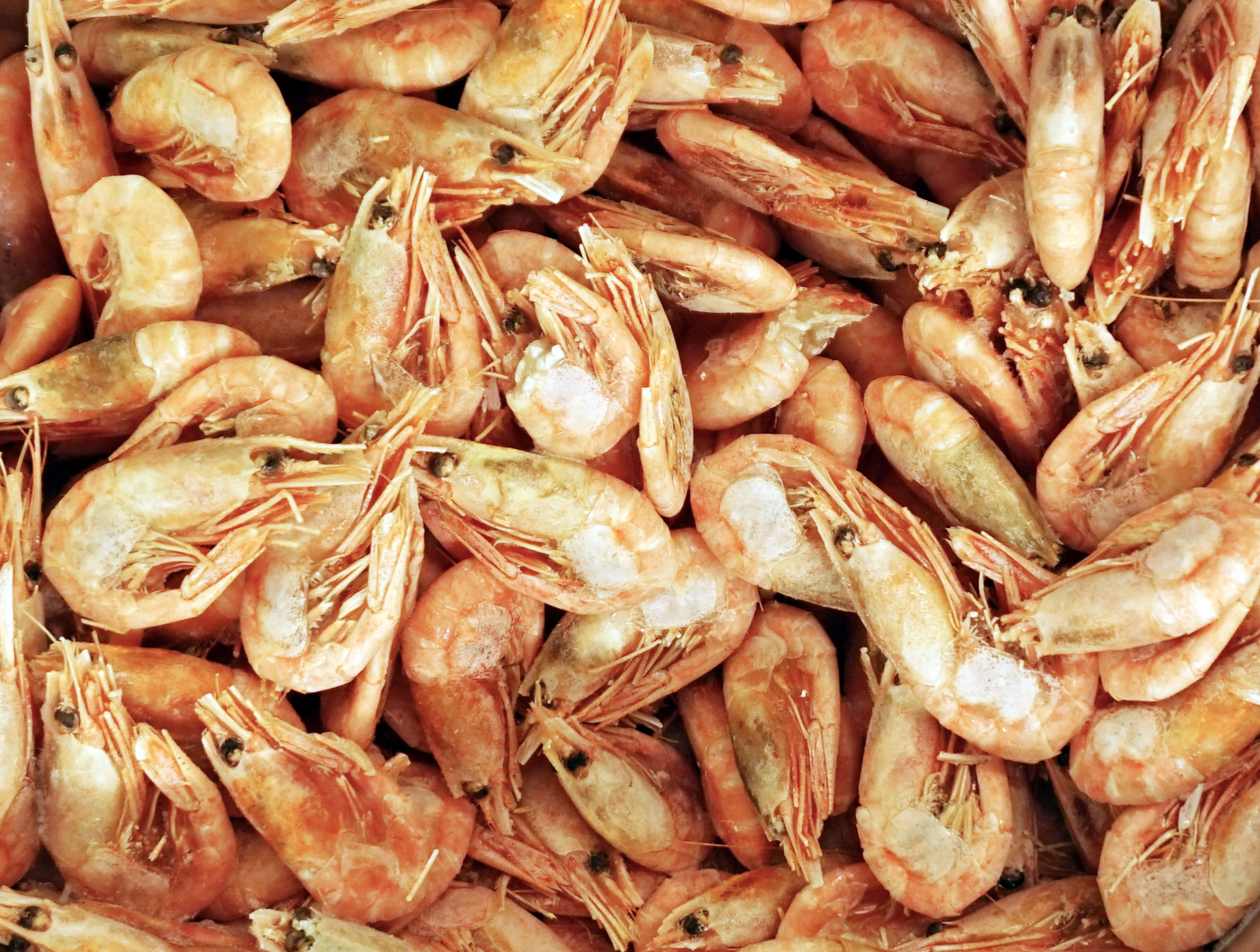
Prawns should not be left out for long after buying. The FDA advises keeping seafood in a refrigerator at 40°F or below if it will be used within two days, and otherwise freezing it straight away. It recommends thawing frozen seafood gradually in the refrigerator overnight. Most seafood should be cooked to an internal temperature of 145°F; properly cooked shrimp turns firm, pearly and opaque.
Photo: Ave Maria Mõistlik / Wikimedia Commons (CC BY-SA 4.0)
Sources: Jagonews24, US Food and Drug Administration (FDA), LSU AgCenter and Louisiana Sea Grant, Critical Reviews in Food Science and Nutrition, Banglapedia



Comments
(0)