
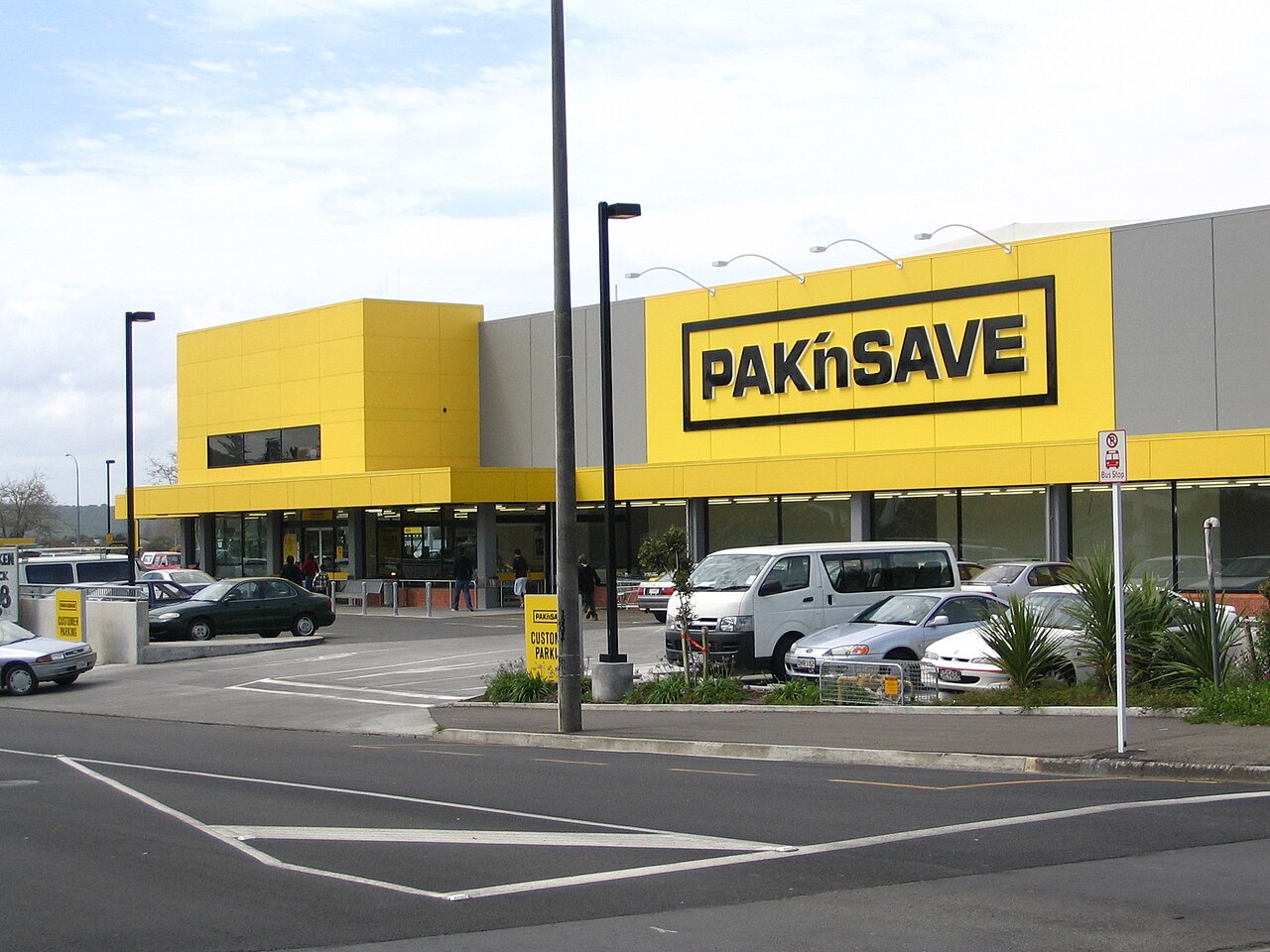
Local food producers and growers in New Zealand are challenging National's pre-election proposal to break up the Foodstuffs co-operative's Pak'nSave franchise, warning the remedy could prove worse than the problem of high food prices it aims to solve.
Simon Berry, who heads the Whitestone Cheese Company, told Farmers Weekly that forcing the sale of a family-built grocery business was a "pretty strong" response that seemed at odds with the party's free-market roots. For a supplier, he said, market access is about shelf facings and store numbers, and fewer of either would only raise costs per unit. His cheese can leave Oamaru and be on an Auckland shelf in four days across a country prone to weather, road and ferry disruption — "It's not just store level, it's an entire system behind that." He questioned whether the saving to families would match rises in fuel and power costs.
Jerry Prendergast, president of the fresh produce body United Fresh, said any structural change must be judged by what it delivers for growers, logistics operators and consumers of fresh, perishable produce, with priority on supply-chain efficiency, fair commercial terms and growers' long-term viability.
Raewyn Bleakley, chief executive of the NZ Food and Grocery Council, welcomed measures to improve competition but said any election proposal should face rigorous independent analysis of its effects on supply chains, investment, availability and prices.
Saya Wahrlich, chief executive of Cooperative Business NZ, said co-operation lets hundreds of locally owned stores pool purchasing, distribution and investment, and that any separation should test whether two smaller networks could keep the same efficiencies and reach.
The proposal came in a flurry of election announcements, moments after Labour vowed to act against companies shown to be price-gouging consumers in groceries, energy or banking.
Photo: Markus Koljonen / Wikimedia Commons (Public domain)
Source: Farmers Weekly NZ
Comments
(0)