
Adulterated and contaminated food is a question of a society's ethics as much as of its laws, Rahman Mridha argues in a column for Daily Bangladesh. Mridha, who lives in Sweden, writes that he spent many years in the pharmaceutical industry, held a leadership role at Pfizer and worked directly on production management, supply chains and quality control. A medicine passes through stage after stage of testing before it reaches a patient, he writes, so why should everyday food be held to a lower standard?
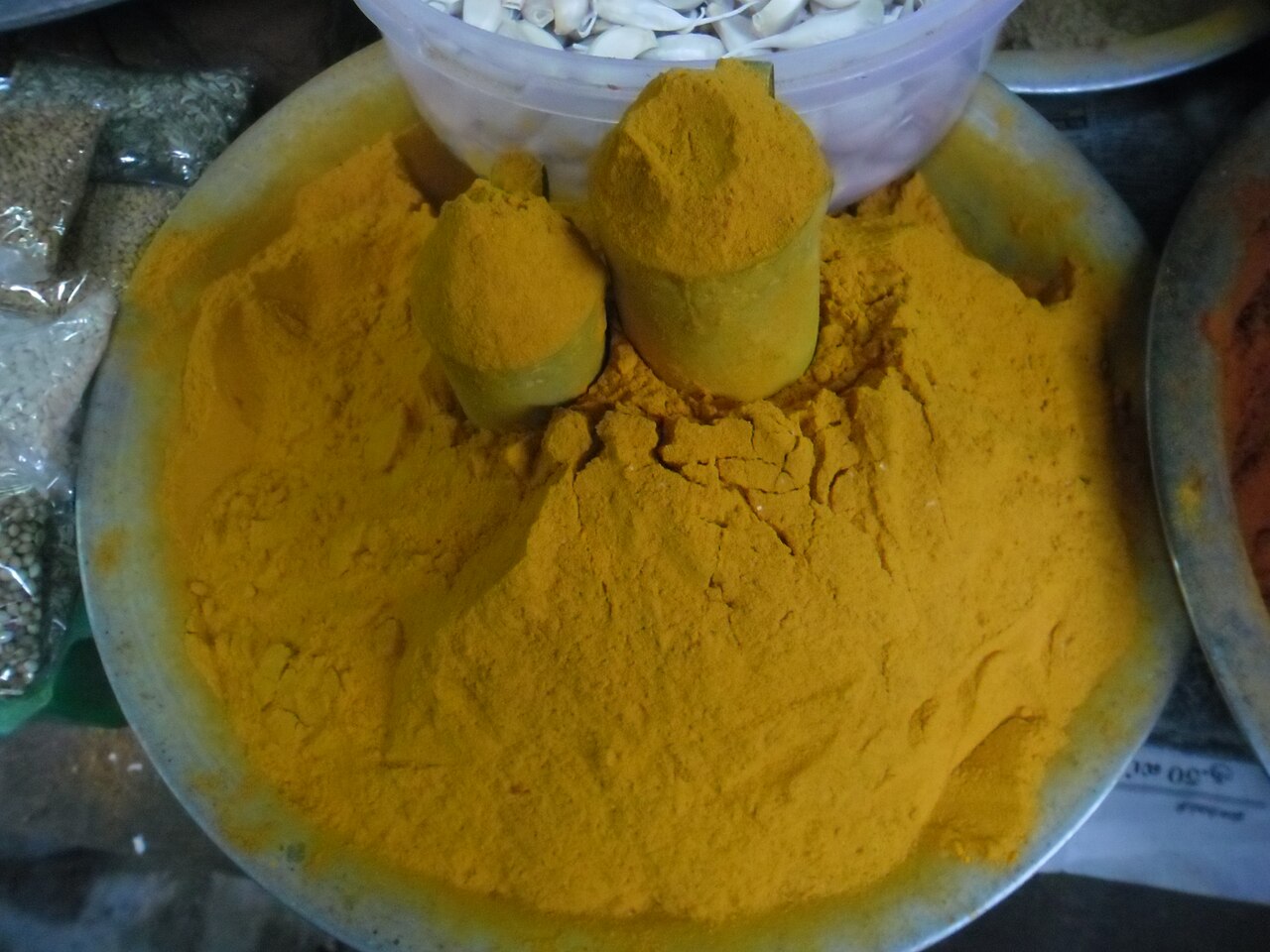
He cites several published studies. A 2023 paper in the journal Environmental Research found lead in 47 percent of the turmeric samples tested from the country's largest wholesale turmeric market in 2019. After public awareness work, testing and government enforcement, no detectable lead was found in the samples tested in 2021. The problem was real, Mridha writes, and effective action reduced it.
On vegetables, he points to a 2023 review in Toxicology Reports that pooled data on 1,577 vegetable samples from studies across Bangladesh published between 2010 and 2022. More than 29 percent of the samples carried pesticide residues, and in 73 percent of the contaminated samples the residue was above the maximum permitted level.
He also quotes testing by the Bangladesh Food Safety Authority for the 2024-25 fiscal year: of 1,713 food samples tested, 571, or 33.3 percent, showed adulteration, contamination or nutritional problems. Mridha cautions that these are results for the samples tested, not a picture of all food in the country, but asks how safe the large volume of food that is never tested can be.
Those who knowingly put harmful substances into food should face evidence-based investigation, speedy trials and exemplary punishment, he writes. Punishment alone will not solve the problem, though. He calls for training farmers to use pesticides safely, observing the waiting period before harvest, safe storage and fair prices for honest producers, and warns against lumping honest farmers in with the criminals who adulterate food.
Drawing on Sweden, he describes traceability as a foundation of food safety there: a food business must know whom it bought from and whom it supplied, so a faulty product can be traced and recalled quickly. When a harmful substance is found in Bangladesh, he proposes, the authorities should quickly establish where the product came from and how many people it reached, and publish the test results.
The views in this column are the writer's own.
Photo: Surya Prakash.S.A. / Wikimedia Commons (CC BY-SA 3.0)
Source: Daily Bangladesh

Comments
(0)