
A healthy animal does not need antibiotics and a healthy crop does not need an antimicrobial pesticide, writes Junxia Song, a senior animal health officer in the One Health group of the Food and Agriculture Organization's livestock and animal health division, in a Down To Earth column for World AMR Awareness Week. The views are the writer's own.
Without action, she warns, global antibiotic use in livestock could rise by nearly 30 per cent by 2040, though the same analysis shows the need falls when animal health systems are stronger. Prevention also covers what leaves the farm: manure, wastewater and runoff can carry drug residues and resistant microbes into soil and water.
FAO's answer is RENOFARM, a ten-year initiative to reduce the need for antimicrobials on farms. It rests on five linked pillars, the Farm 5Gs: good health services, meaning access to a veterinarian or animal health worker and diagnostics before a problem needs treatment; good production practices such as biosecurity, vaccination, clean water and safe manure handling; good alternatives where antimicrobials have been the default; good incentives, through market access, credit, recognition or regulation; and good connections among farmers, advisers, researchers, governments and companies. A farmer with vaccines but no vet, Song notes, will struggle to change.
In February FAO released a test version of the Farm 5Gs Checklist, about 100 yes or no questions that extension officers and farmers work through together, scored with a five-star rating to track progress. It could later become a digital tool linking each gap to advice and, where countries choose, to credit or price premiums.
Since its launch in 2024 RENOFARM has drawn more than 400 members, 234 individuals and 213 organisations, and its community of practice links over 800 people. Behavioural science is part of farmer field schools in 10 countries in Africa and Asia, reaching about 1,500 farmers. FAO's first InFARM global report, for 2023-2024, records 50 countries enrolling in the first call and 80 engaged after two; InFARM has also opened its first data call on antimicrobial use in plants. In low-income countries, the column says, use of good husbandry and biosecurity practices fell from 30.8 to 7.4 per cent between 2022 and 2024.
The 2024 UN political declaration on AMR committed countries to cut antimicrobial use in agrifood systems significantly by 2030. RENOFARM aims to reach 100 countries in the next decade, have 80 per cent of participants report to InFARM and train half of their national workforce to reduce the need for antimicrobials.
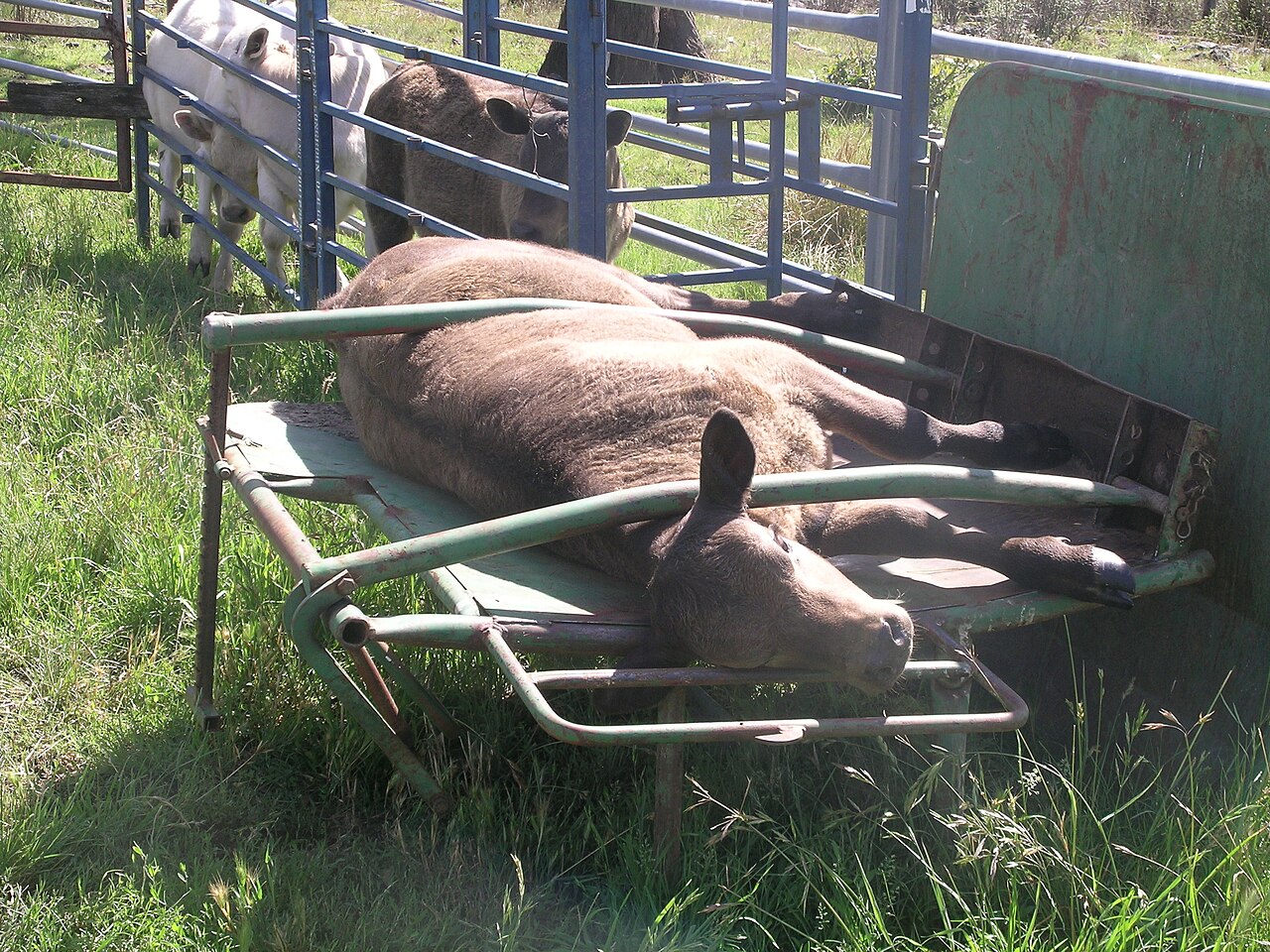
Photo: Cgoodwin / Wikimedia Commons (CC BY-SA 3.0)
Source: Down To Earth

Comments
(0)