
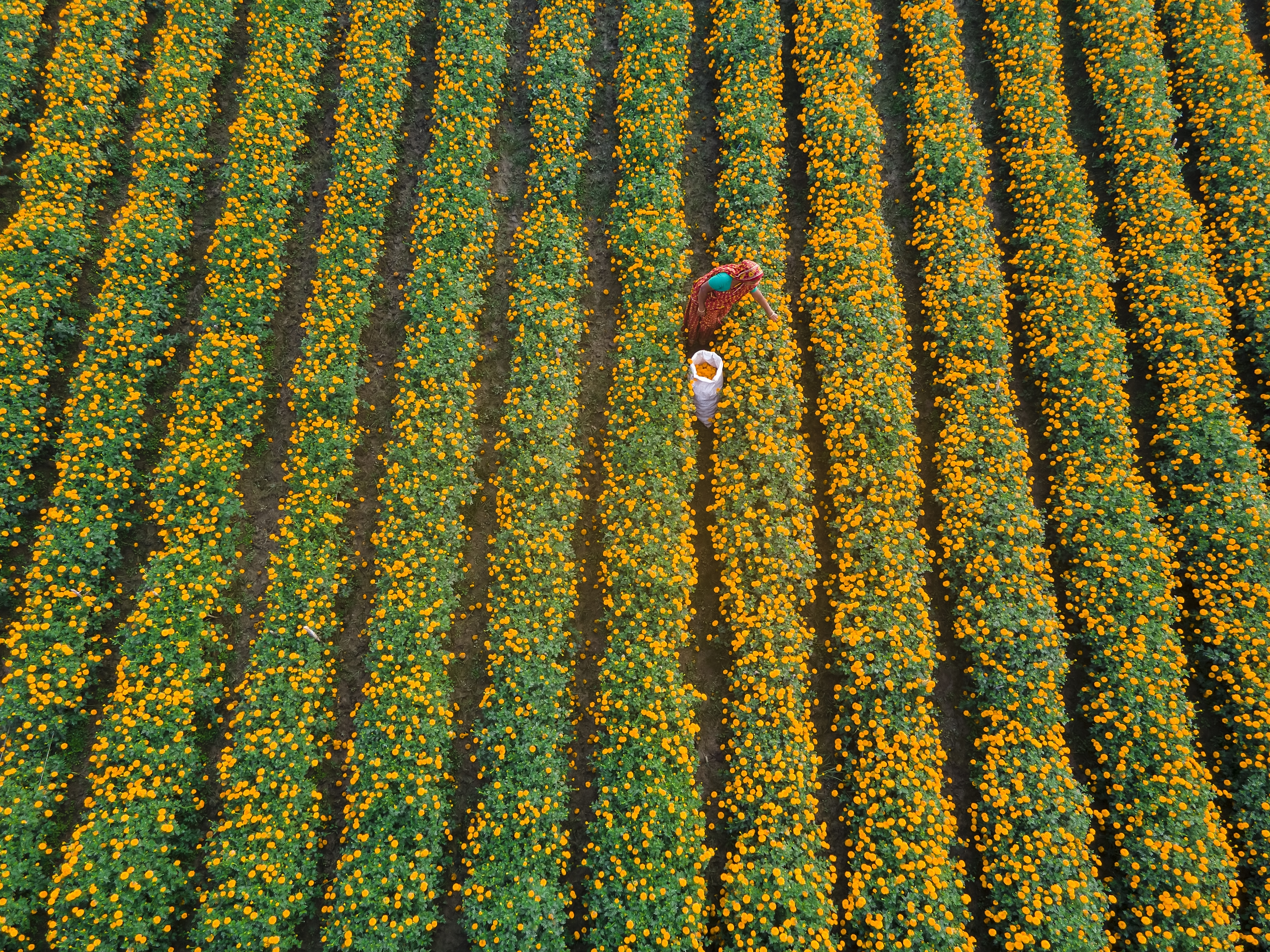
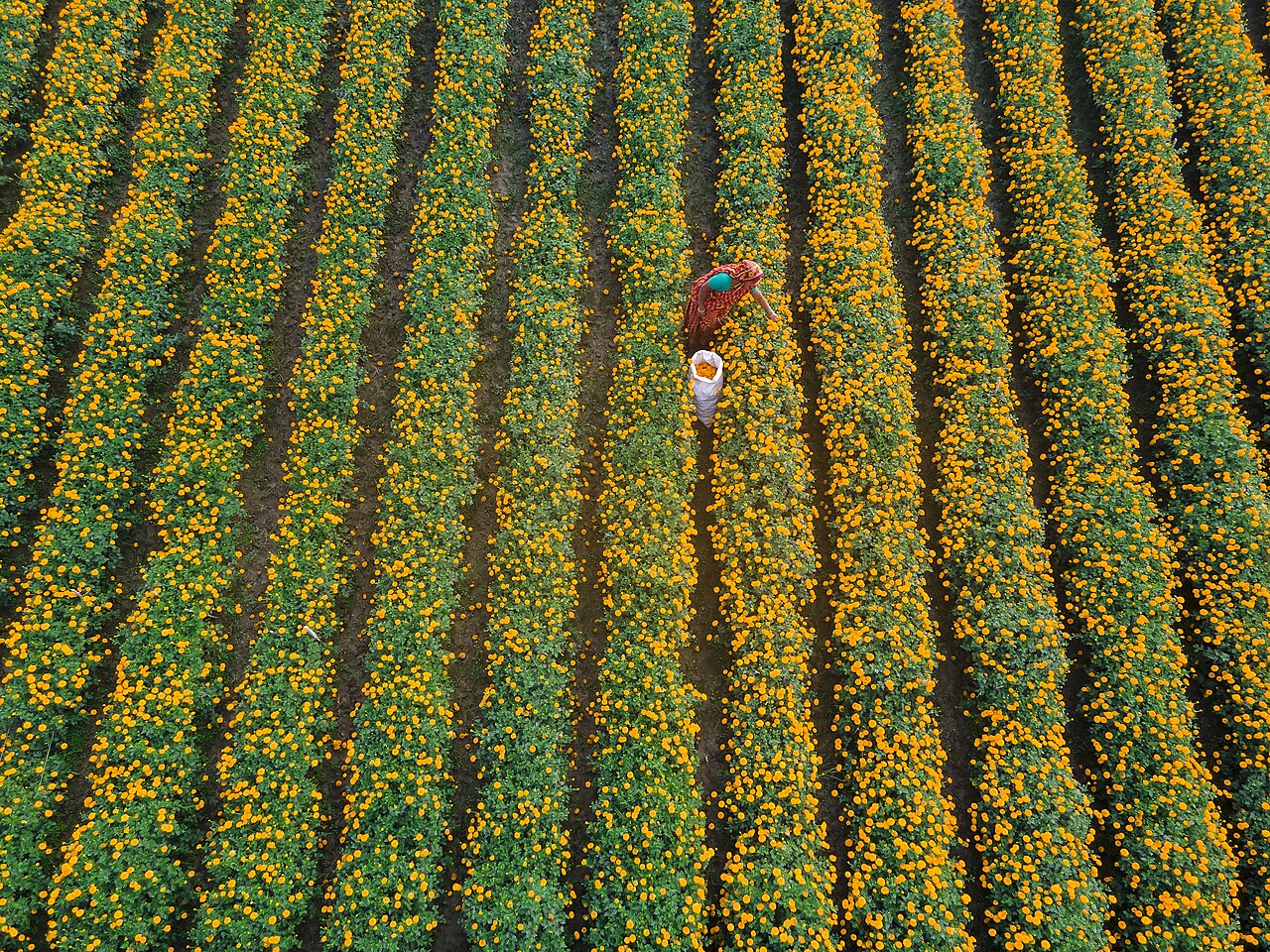
Commercial flower farming was put forward as a source of income for unemployed young people and for rural women and men in a report published by Jagonews24 in March 2025. The report said little capital is needed to start, with costs rising or falling with the size of the land, and that flowers can now be grown commercially almost anywhere in Bangladesh: across village beels (wetlands), on land beside the house, or even on a rooftop.
From Panisara to 24 districts
Commercial flower growing in Bangladesh began in 1983 in Panisara village of Jhikargachha upazila, Jashore. According to The Daily Star, a farmer named Sher Ali started it that year by planting tuberose on 30 decimals of land. The neighbouring Godkhali and Panisara area later became the country's main flower-growing centre.
In an article for the Agriculture Information Service (AIS), Deewan Asrafful Hosen and Md. Rashidul Islam wrote that flowers are grown on about 3,520 hectares in 24 districts. Khulna division accounts for about 2,600 hectares (74 per cent) and Dhaka division for 690 hectares (20 per cent). About 15,000 farmers grow flowers, around 150,000 people work directly in the trade and some 700,000 people draw their livelihood from it. In 2014-15 the country produced about 57,000 tonnes of flowers, sold for about Tk 800 crore.
Which flowers, and when to sow
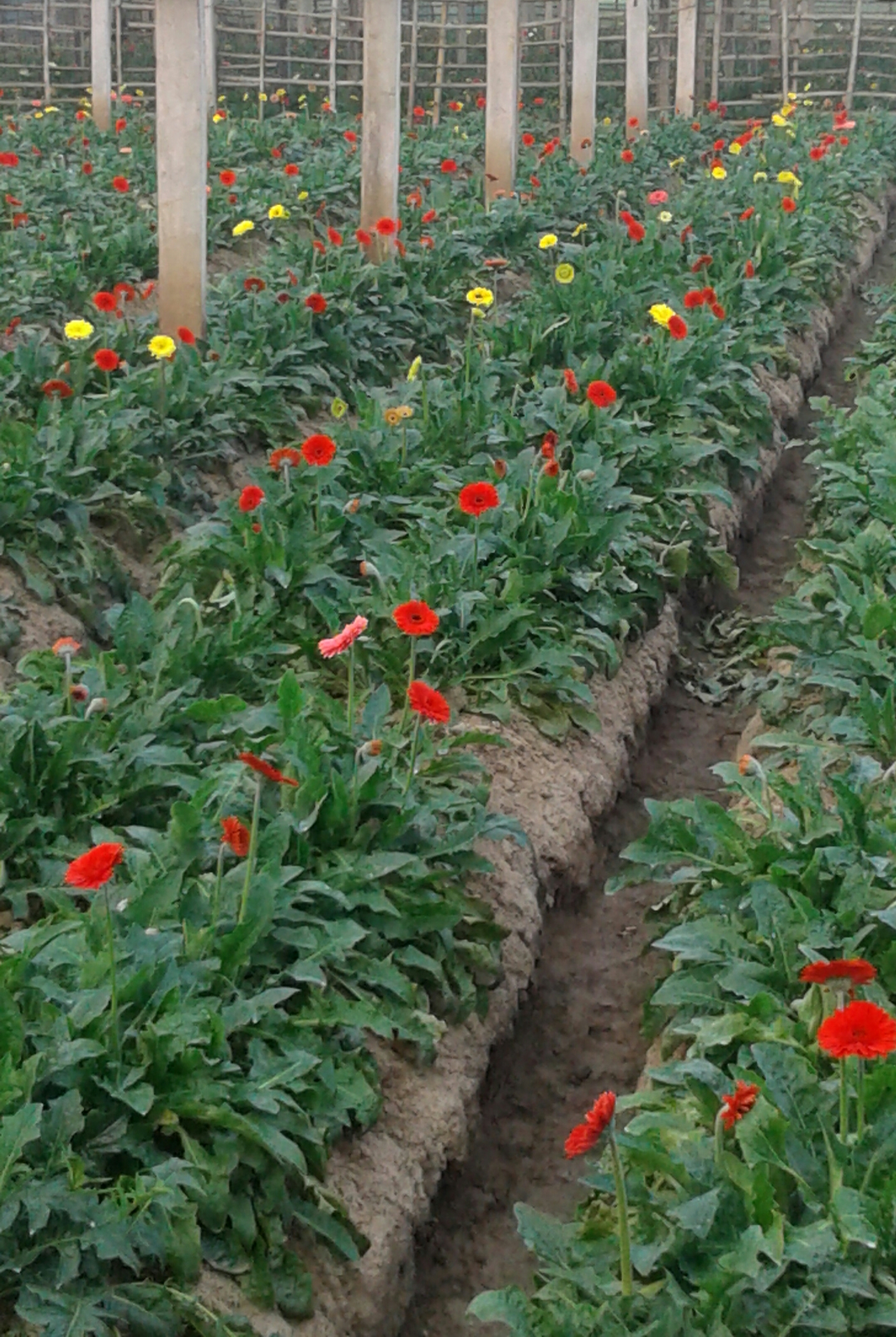
The Jagonews24 list included red and white roses, tuberose, marigold, beli (Arabian jasmine), kamini, sunflower, gerbera, gypsophila, dahlia, cosmos, poppy, gazania, salvia, dianthus, calendula, petunia, daisy, verbena, helichrysum, antirrhinum, nasturtium, lupin, carnation, pansy, aster and chrysanthemum. By the AIS article's figures, gladiolus holds the largest share of the market (about 31 per cent), followed by rose (24 per cent), tuberose (17 per cent) and marigold (8 per cent).
The report gave October and November as the time to sow seed. In another AIS article, agriculturist Silmin Jahan Ilma named September and October as the right months for winter flowers. A study published in PLOS ONE in 2024 noted that most flowers in Bangladesh are grown in the winter season, from December to March, driven largely by demand for weddings and festivals.
Growing in pots and fields
Taken together, the report and the AIS advice set out these basic steps:
- Seedlings can be bought ready in pots; pots of 8 to 12 inches are usually enough. For rooftop gardens AIS suggests 10 to 12 inch pots or geo-bags.
- Mix plenty of organic manure or compost into the potting soil. AIS recommends a mix of half cocopeat and half compost, sand and soil.
- Plant seedlings carefully, then water from above with a watering can like rain, so that both plant and leaves get wet. In winter, water once the fog has cleared and the sun is out.
- Stake plants that lean and tie them upright, and make sure they get enough light and air.
- Cutting spent flowers before they dry increases the number of blooms.
- Ask an agriculturist for advice when needed.
Selling, profit and jobs
Selling flowers in town can be a hassle and the price is often poor, so the report suggested setting up a flower shop in the grower's own area. At Godkhali, growers sell at an open wholesale flower market.
The report held that flowers pay far better than other crops. A PLOS ONE study, citing an earlier survey, reported that net returns from tuberose exceeded those from banana by 65 per cent and from papaya by 71 per cent, although its production costs were also 26 per cent higher than banana and 12 per cent higher than papaya.
Flower farming also creates work for unemployed women and men, who can both take part in weeding, picking flowers, stringing garlands and many other tasks.
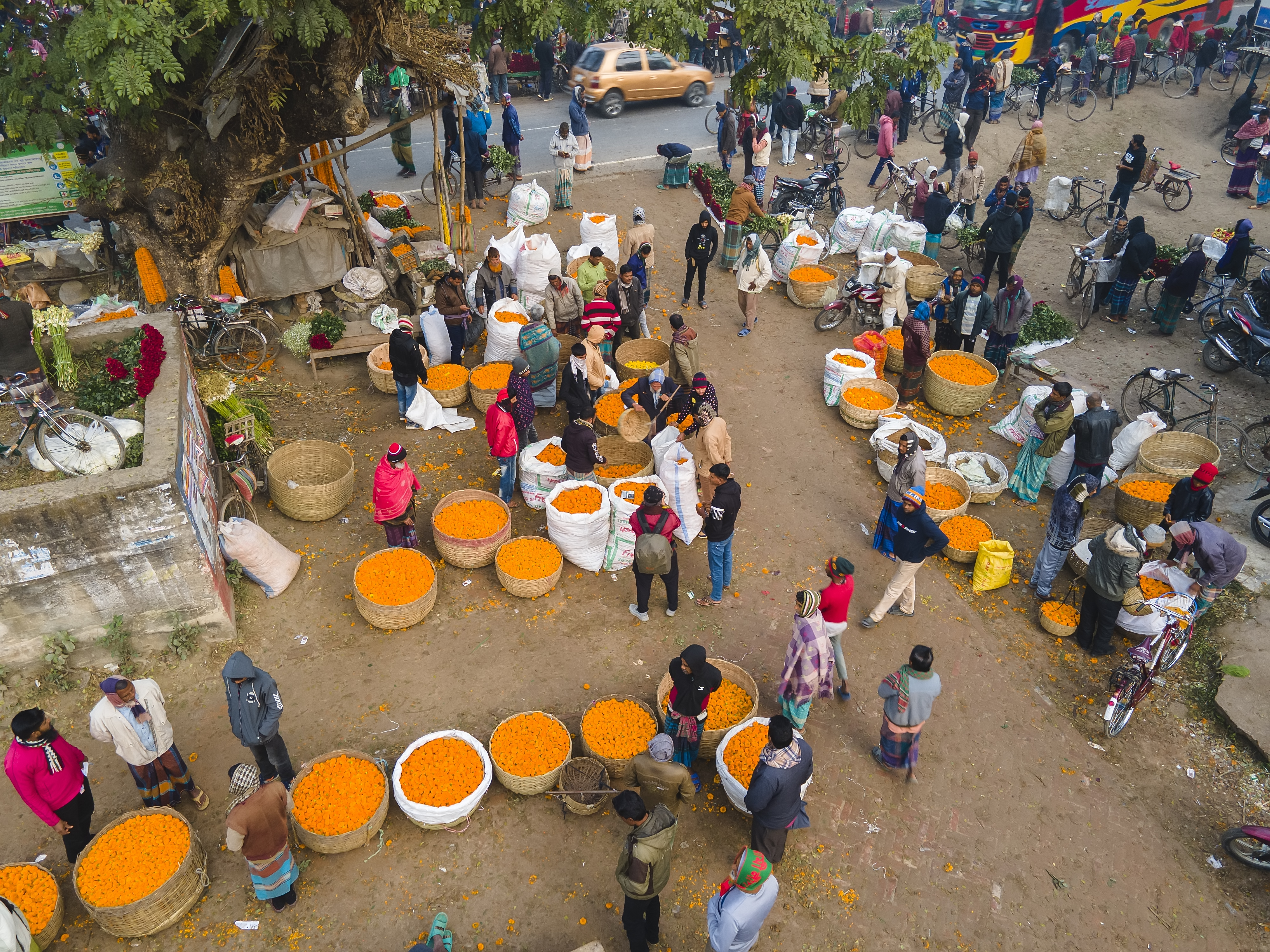
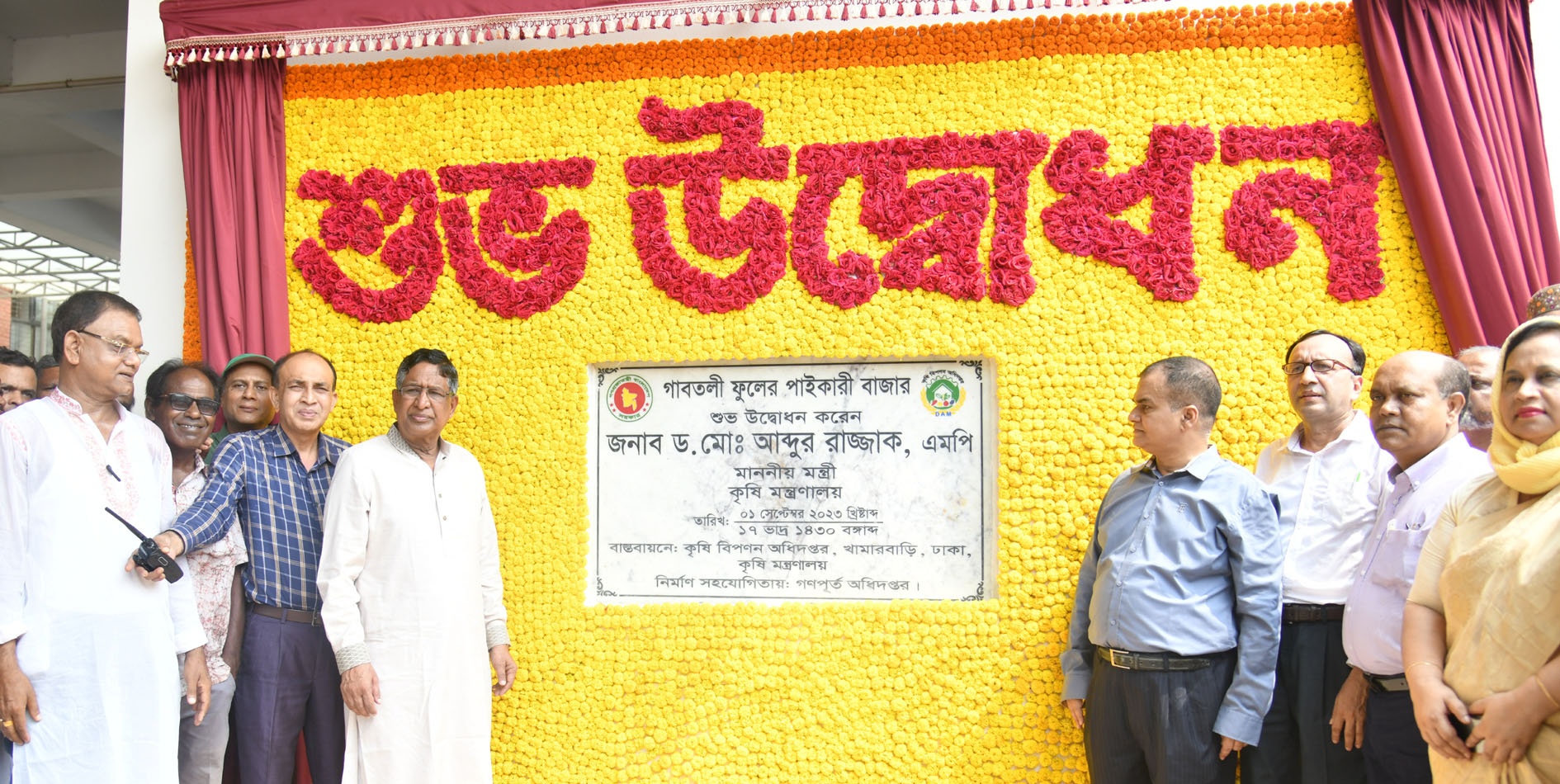
Photo: Muhammad Amdad Hossain / Wikimedia Commons (CC BY-SA 4.0)
Sources: Jagonews24, Agriculture Information Service (AIS), The Daily Star, PLOS ONE
Comments
(0)