
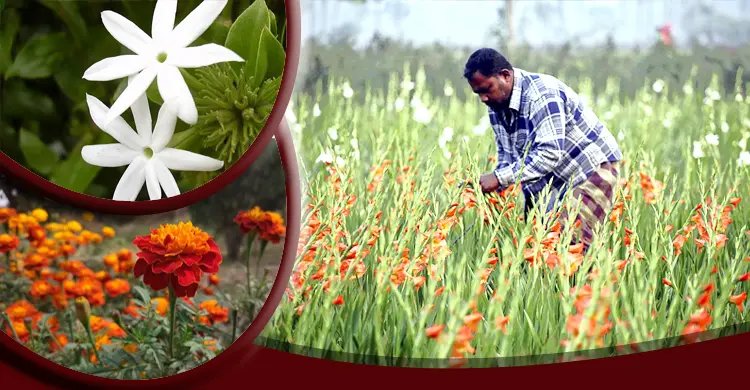
Flowers are no longer grown only for beauty; they also carry great commercial value. Many people are now becoming self-reliant by growing flowers scientifically in line with demand. Many kinds of flowers grow in our country.
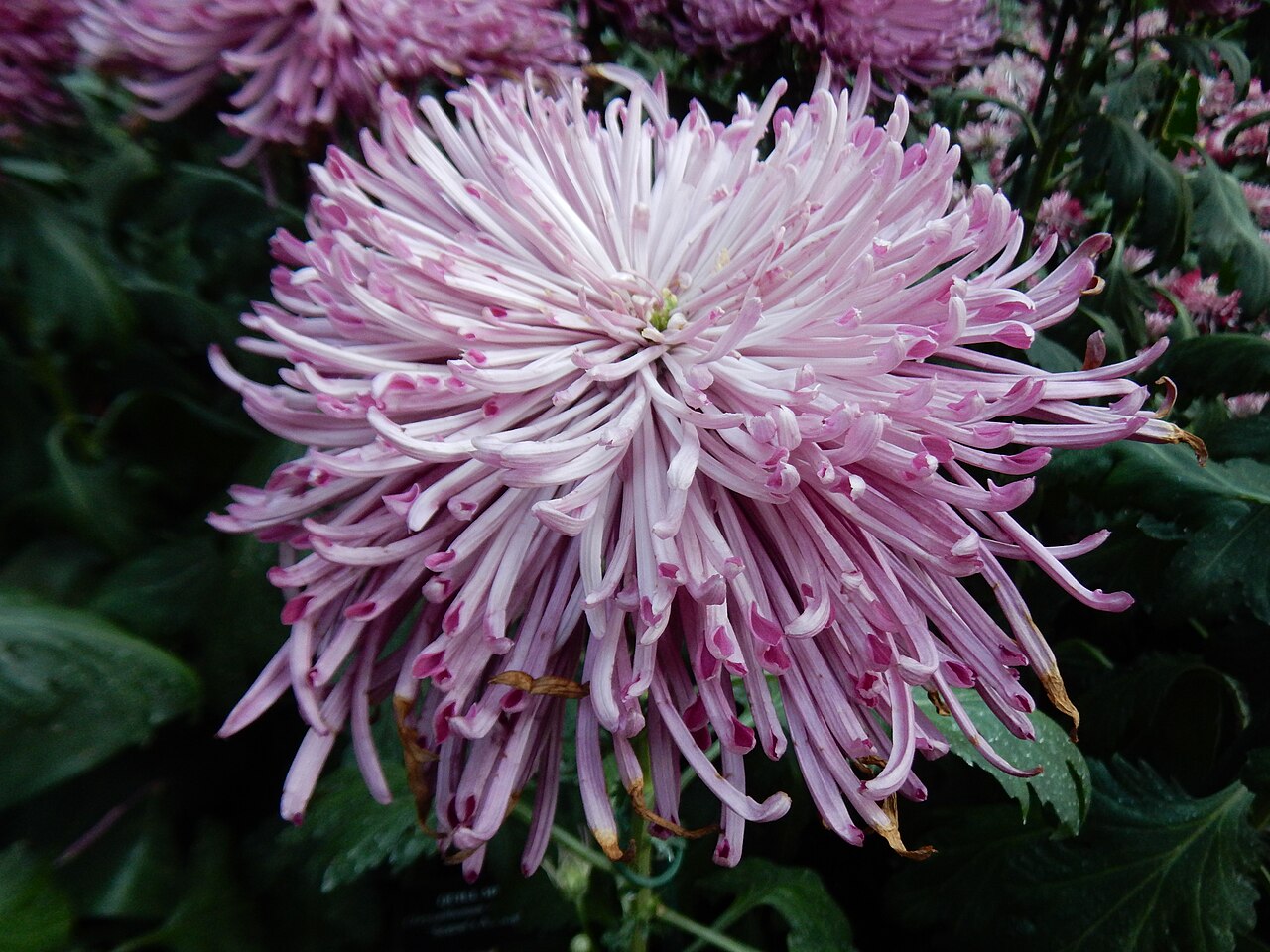
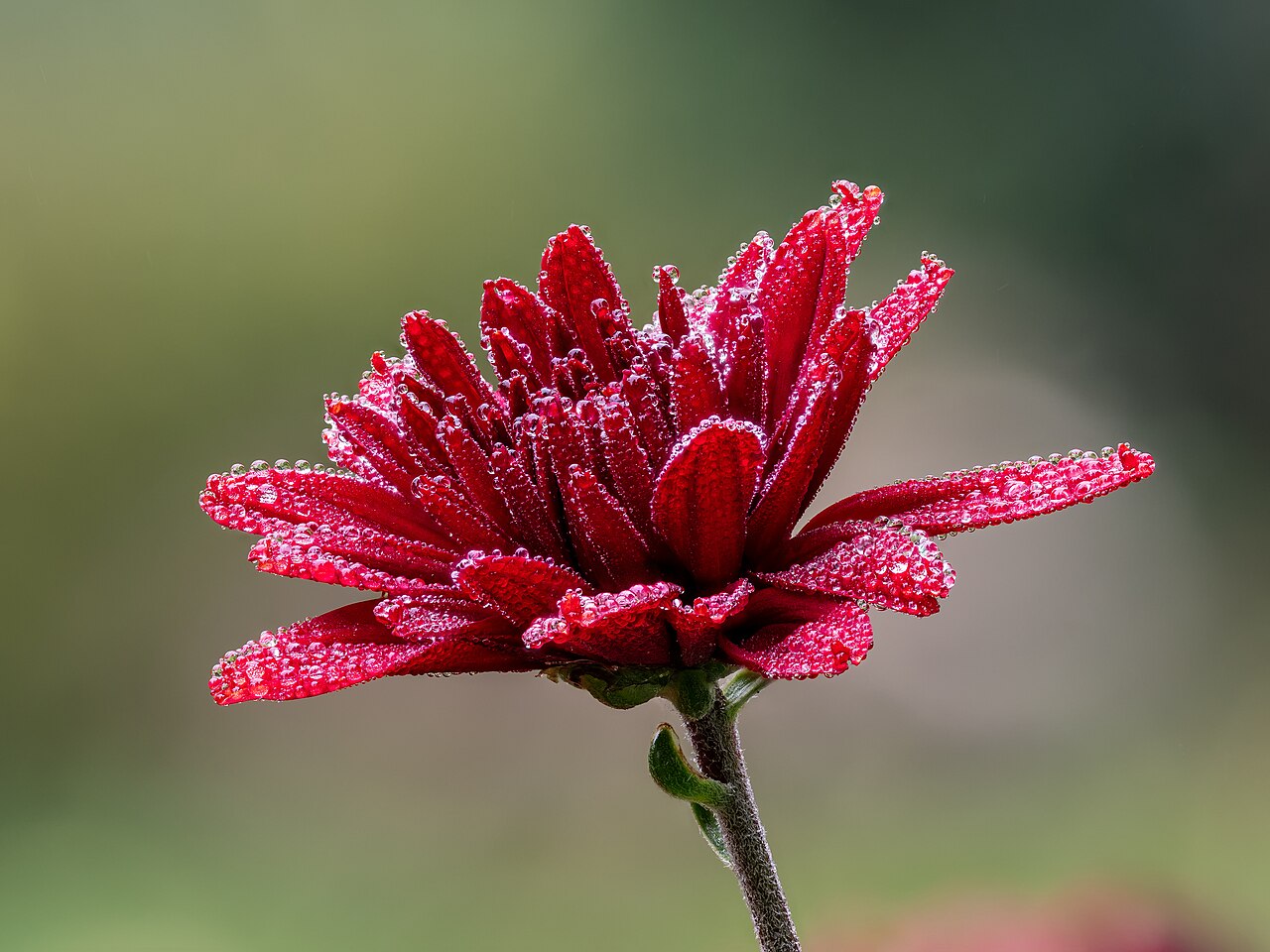
Among them are rose, marigold, chameli, beli, jui, shefali, tuberose (rajanigandha), gandharaj, gladiolus, dopatti, hasna-hena, chrysanthemum, dahlia, rangan, dolonchapa, kanakchapa, aparajita, jaba, malati and kamini. Some are perennial and some seasonal, and all have roughly equal commercial importance.
Some flowers grow on their own, while others have to be cultivated. Various roses, tuberose, marigold, rangan and gladiolus are grown commercially in several regions of the country, including Khulna and Jashore. They make an important economic contribution and provide jobs for many.
Planting and preparing the land
Planting time: for most flowers, Ashwin to Agrahayan is the right time to plant seeds, seedlings, cuttings or bulbs.
Choosing land: choose land that gets plenty of light and air. High loam soil suits flower growing. Remember that choosing the land is very important, and a garden of suitable size and shape looks better.
Fencing: to protect plants from cattle or other unwanted intrusion, put up a strong fence of bamboo, barbed wire or iron, and make sure cows and goats cannot break it.
Preparing land and planting: if the plot is large, divide it into separate areas for different flowers and plant to a plan. Dig the land well and apply the right amount of fertiliser 20 to 25 days before planting bulbs, seedlings or cuttings.
The fertilisers include rotted cow dung, TSP, bone meal, MoP, urea, oil cake, used tea leaves and ash, mixed in to make the soil loose and friable. Organic fertiliser should be given priority. Always plant healthy, disease-free seedlings or bulbs. After planting, press the soil firmly at the sides rather than on top, and water as needed. Depending on the plant, drive in a stake and tie the seedling to it.
Where to get plants and seeds: good nurseries in towns and villages now sell improved seeds, cuttings and seedlings. Seedlings can also be obtained by contacting the agricultural extension office.
Care and harvesting
Care: remove weeds by hand-weeding and loosen the soil around the base from time to time. Arrange irrigation when needed. To protect plants from ants and spiders, Heptachlor-40 can be applied in the right amount; for common insects, Malathion or Dimecron may be used. Take remedial measures according to the disease.
Learn the techniques of fertiliser application and give balanced fertiliser and water in several doses as required. Take special care well before flowering, keeping an eye on both the quantity and the quality of blooms. Depending on the plant, prune old and diseased branches.
Harvesting: flowers can be cut with their stalks before they fully open. Keeping the lower part of the stalk in water keeps them fresh. To maintain quality, tie the stalked flowers into neat bundles, wrap them in black polythene and send them to market.
Growing flowers in pots
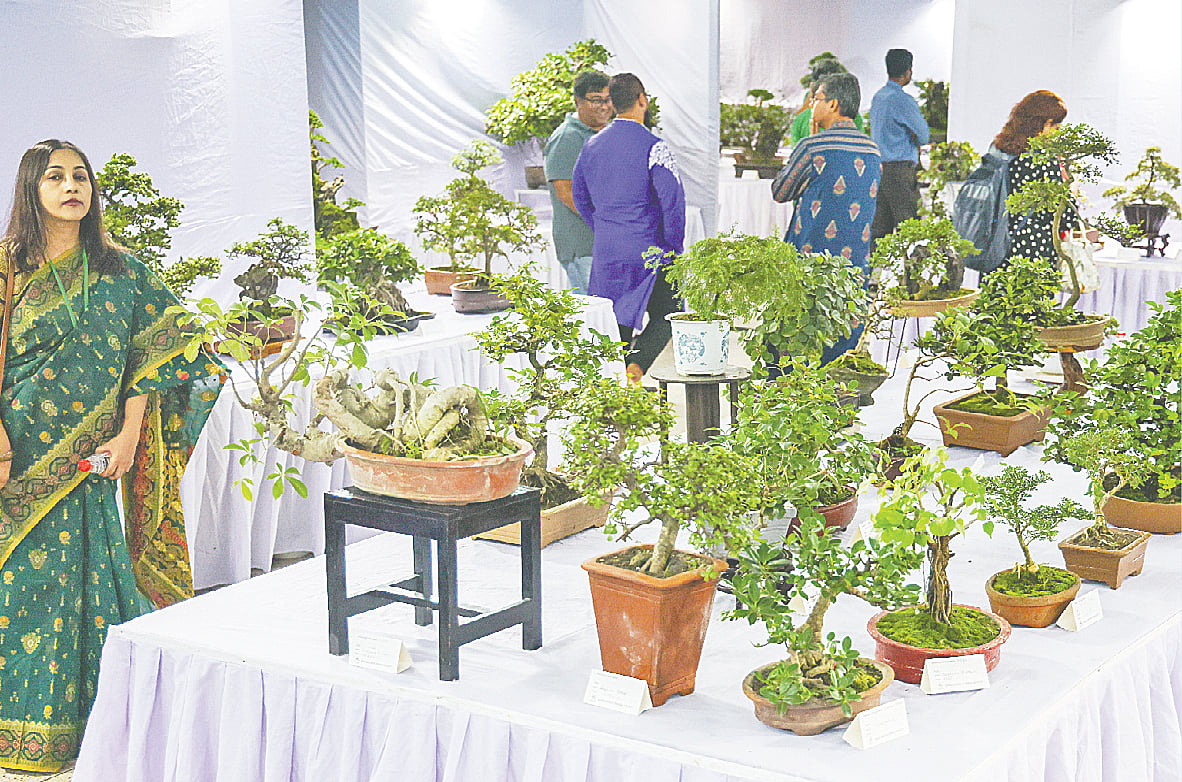
Where land is short, flowers can be grown in pots on rooftops and verandas, as a hobby or commercially. These include roses and marigolds of various varieties and colours, as well as dahlia, rangan, chrysanthemum, tuberose, various orchids, attractive cacti and bonsai.
There is good demand for these in the market today. To save time and for simple pleasure, annual or permanent flowers can be grown, such as rose, jaba, cherry, dolonchapa, malati, kamini, rangan, croton (patabahar), various orchids and cacti. Cactus-type plants need very little fertiliser, so costs are very low.
Source: Jagonews24. First published in Bengali on The Agro News.
Comments
(0)