
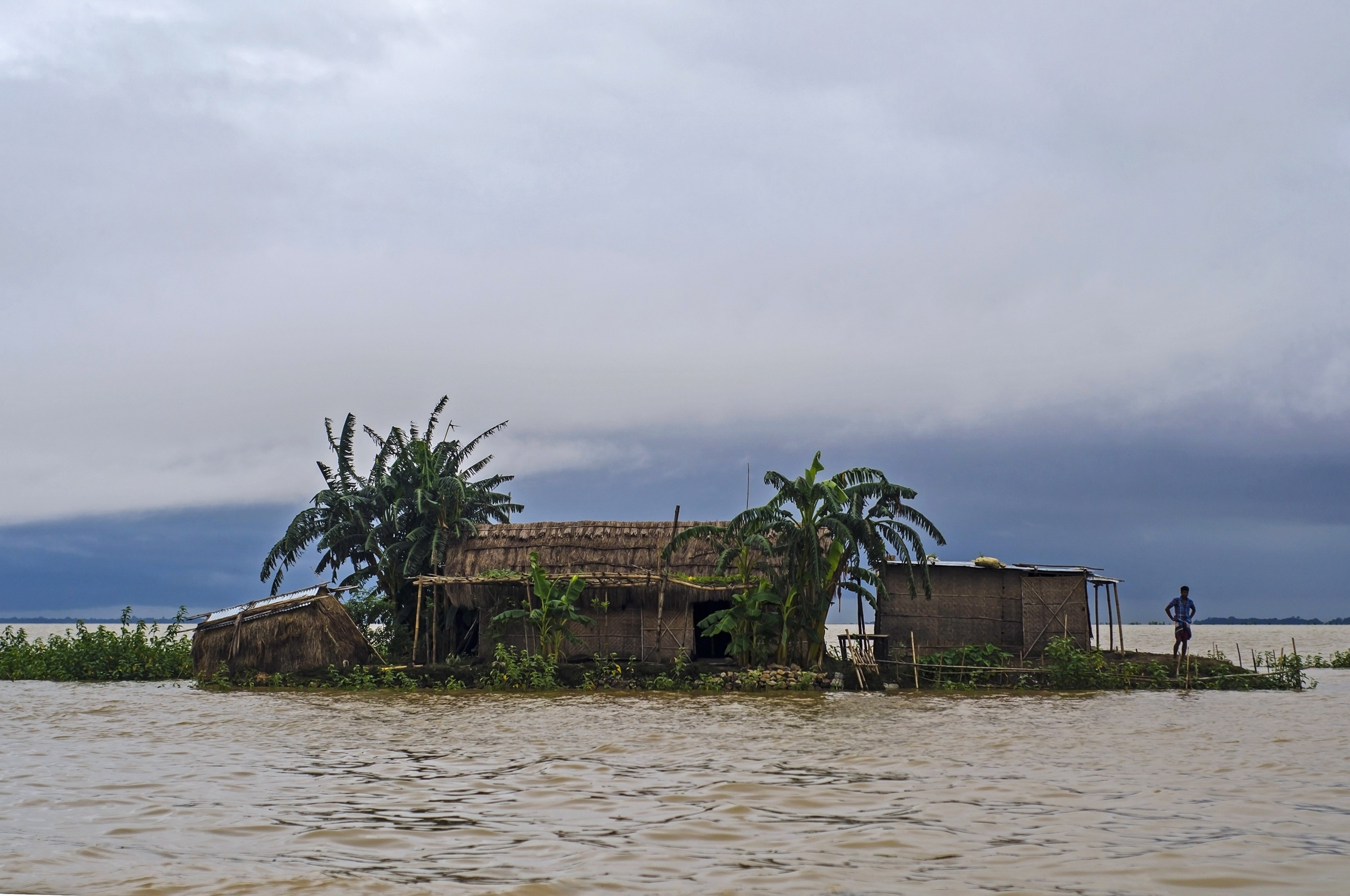
Continuous rain and hill runoff from upstream submerged crops across 12 districts of Bangladesh, including the Chittagong Hill Tracts, in the first half of July 2026. Citing the agriculture department's preliminary damage report, Jagonews24 reported on 12 July that crops on more than 28,610 hectares in those districts had been affected as of Saturday, 11 July.
The submerged crops included Aus rice, Aman seedbeds, jute, summer vegetables, chilli, ginger, turmeric, fruit and several others. According to the same report, standing crops on nearly 5 lakh (500,000) more hectares in those areas were still under water.
The 12 districts and the rain forecast
The agriculture department listed these districts as affected:
- Chattogram division: Chattogram, Cox's Bazar, Rangamati, Khagrachhari and Bandarban
- Sylhet division: Sunamganj and Habiganj
- Rajshahi division: Sirajganj and Naogaon
- Khulna division: Jashore, Chuadanga and Meherpur
For Sunday, 12 July, the Bangladesh Meteorological Department forecast very heavy rain again in six divisions: Rangpur, Rajshahi, Mymensingh, Dhaka, Chattogram and Sylhet, raising fears for the coming farm output. Farmers said that if the water stayed for another four or five days, the Aus rice and vegetables would be completely destroyed.
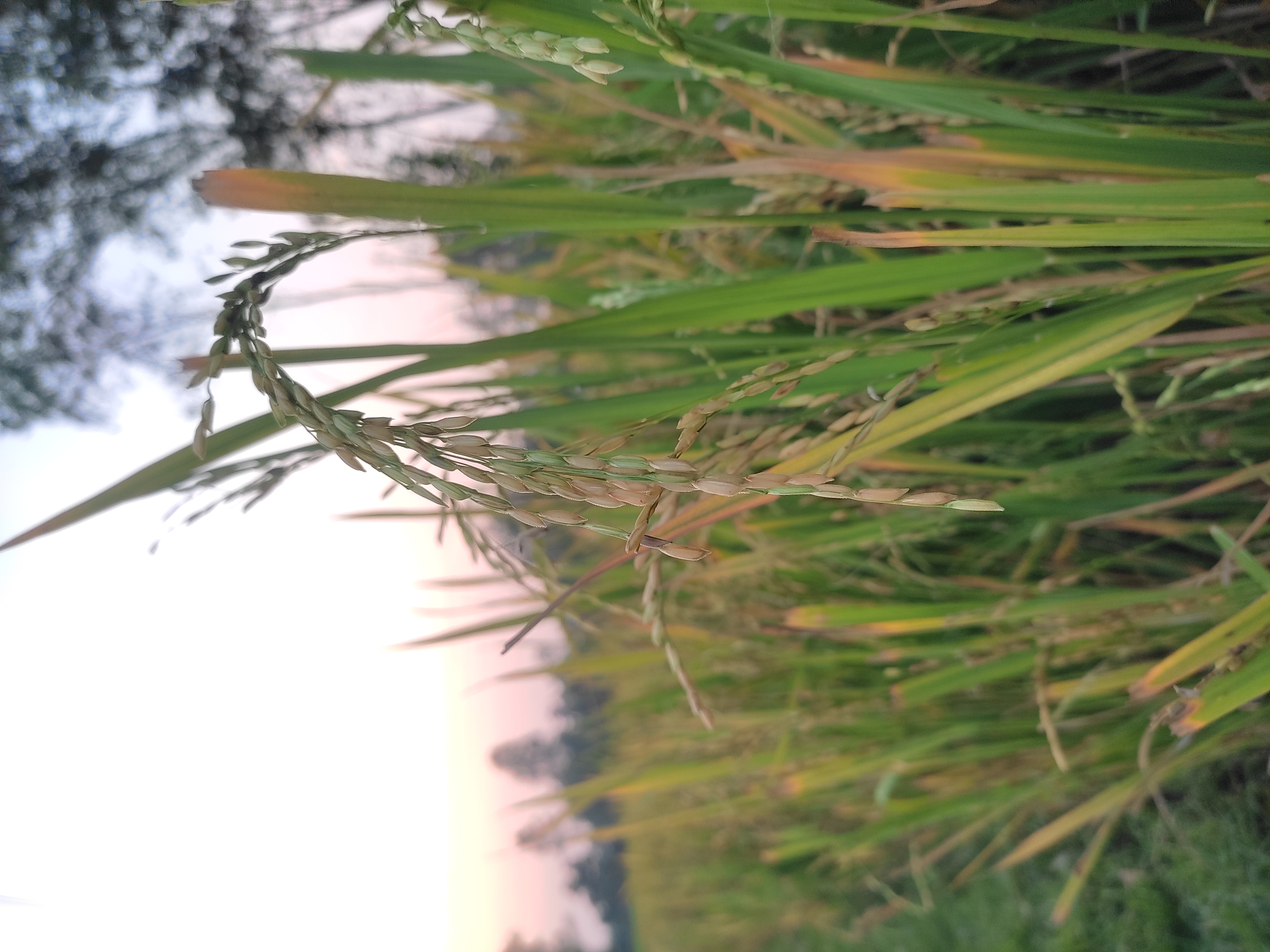
According to Banglapedia, Aus rice in Bangladesh is harvested in July and August, while transplanted Aman is harvested from November to January. A flood in July therefore threatens both the Aus crop still in the field and the seedbeds that raise the seedlings for the Aman crop.
Fisheries and crops hit hard in Chattogram
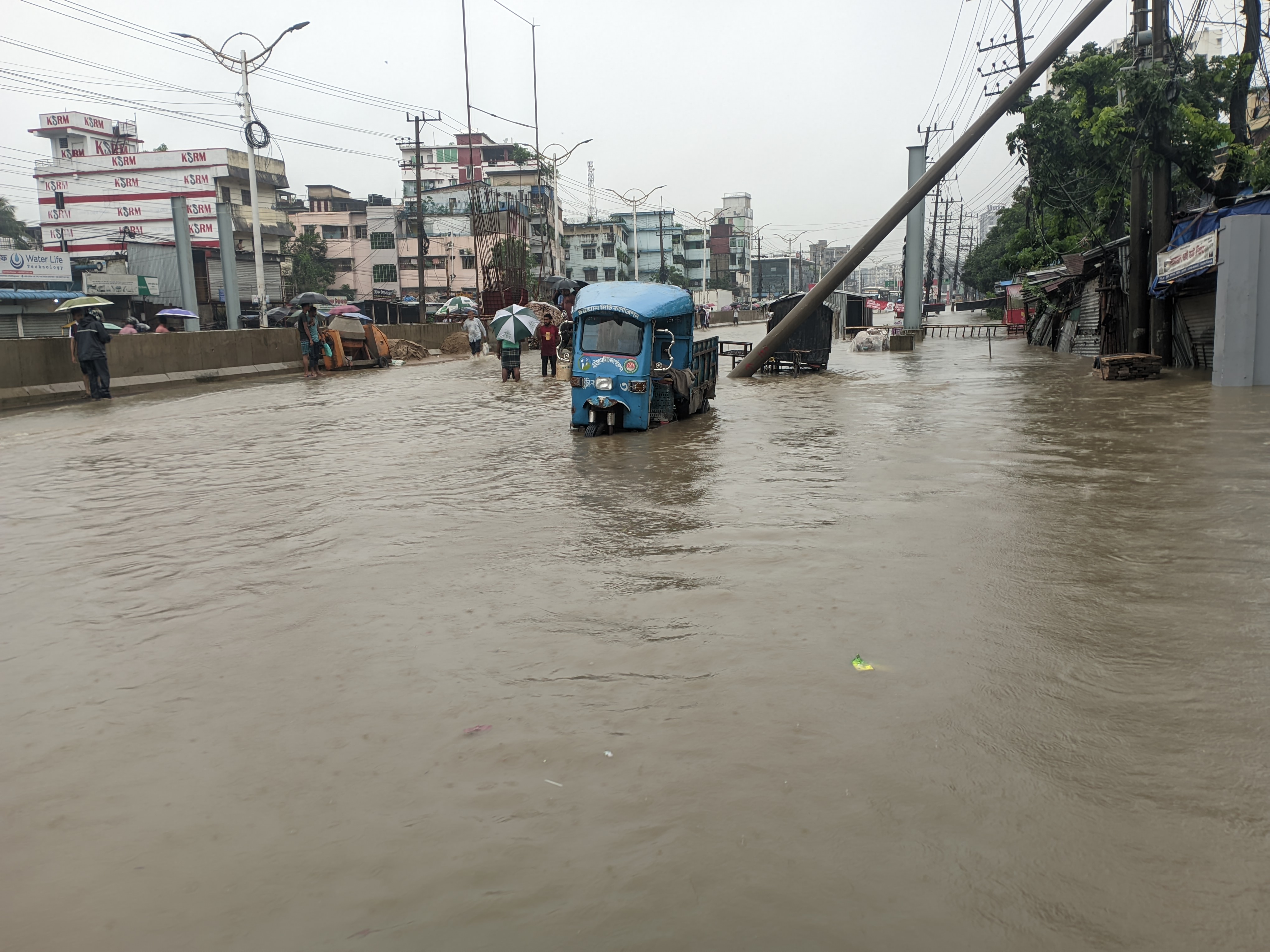
Fisheries also suffered a major blow, with fish washed out of ponds and shrimp enclosures (ghers) in Chattogram division and elsewhere. Quoting the Chattogram district fisheries office, Jagonews24 reported that 9,933 ponds and dighis and 320 shrimp ghers in 153 unions of 15 upazilas in the district had been damaged, putting fish farming on about 4,100 hectares of water at risk.
On 11 July The Business Standard, citing the district fisheries office's preliminary report, put the district's fisheries loss at Tk 91 crore 41 lakh 53 thousand. Banshkhali upazila was hit hardest: fish from 2,500 ponds, 310 shrimp ghers and about 1,970 hectares of water were lost there, a loss of about Tk 41.5 crore. District Fisheries Officer Salma Begum told the paper that the full picture was not yet available because the water had not fully receded in many areas.

A separate preliminary estimate from the Department of Agricultural Extension (DAE) in Chattogram district, reported the same day, showed that Aus had been grown on 30,022.5 hectares in the district that season, of which 9,043.5 hectares were damaged by the heavy rain. A further 960.66 hectares of Aman seedbeds and 5,907 hectares of summer vegetables were also affected; the DAE put the district's total damaged area at 15,911.16 hectares. Mohammad Ali Zinnah, the DAE's Chattogram regional deputy director, said the figures were preliminary and data collection was continuing.
Lists of affected farmers and seedlings
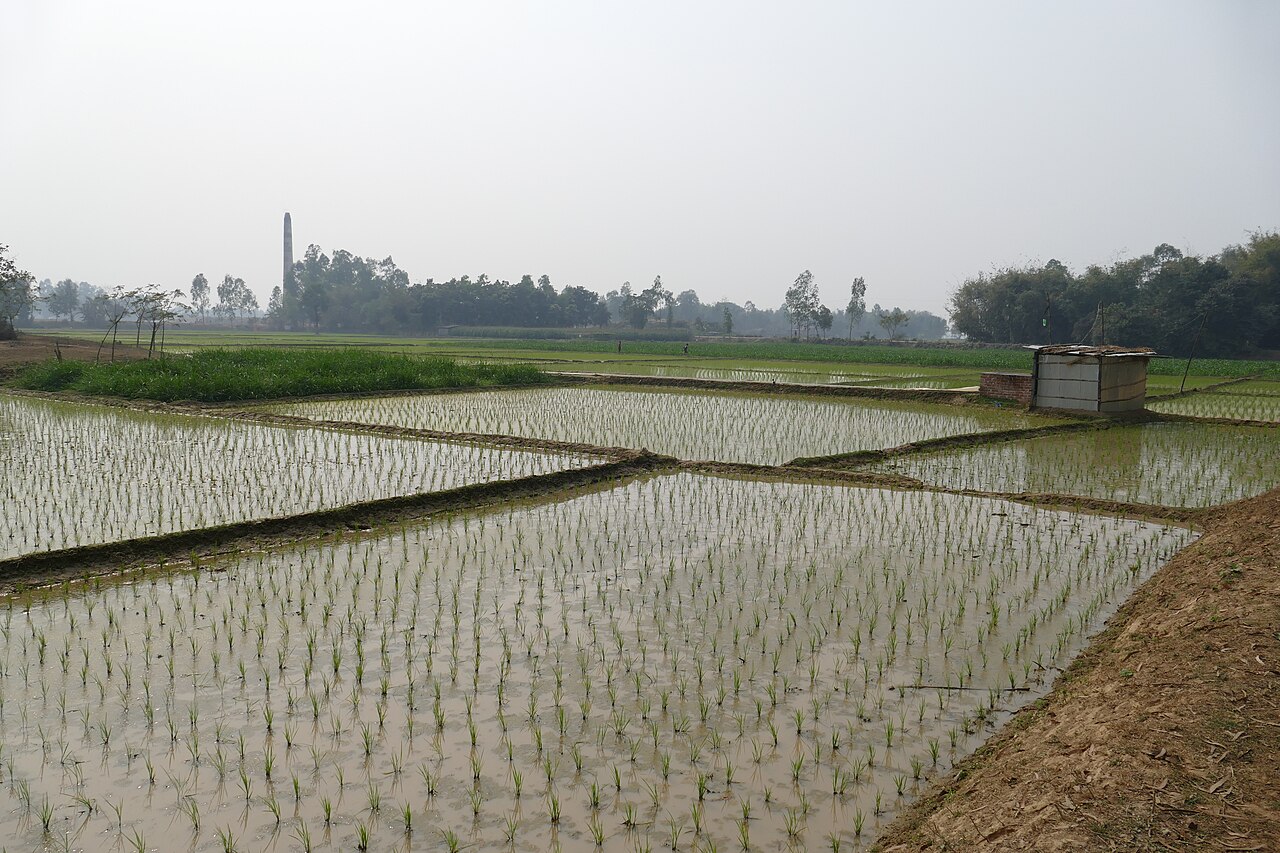
The Ministry of Agriculture said lists of affected farmers were being drawn up at union and ward level. Speaking to journalists after opening a tree fair at the Cumilla Town Hall ground on the morning of 11 July, Mohammad Amin Ur Rashid, minister for agriculture and for fisheries and livestock, said the government would help affected farmers once the lists were complete. Dhaka Times reported that the aid would include seed, fertiliser and other farm inputs, by type of damage.
The minister did not, however, expect very heavy losses. Jagonews24 quoted him as saying: "The Boro harvest is now over. Planting of seedlings has begun again, and that has not suffered any particular damage. But if the seedlings that have gone under water stay submerged for a long time, they will rot. We can assume that 25 percent of the seedlings planted have been affected by the flood."
He said the ministry had gathered information on how much paddy land had gone under water and how many seedlings would be needed to replant it, and that seedling production had been started on higher ground. "Farmers may no longer have seed paddy at home, so we will try to supply seedlings," he said.
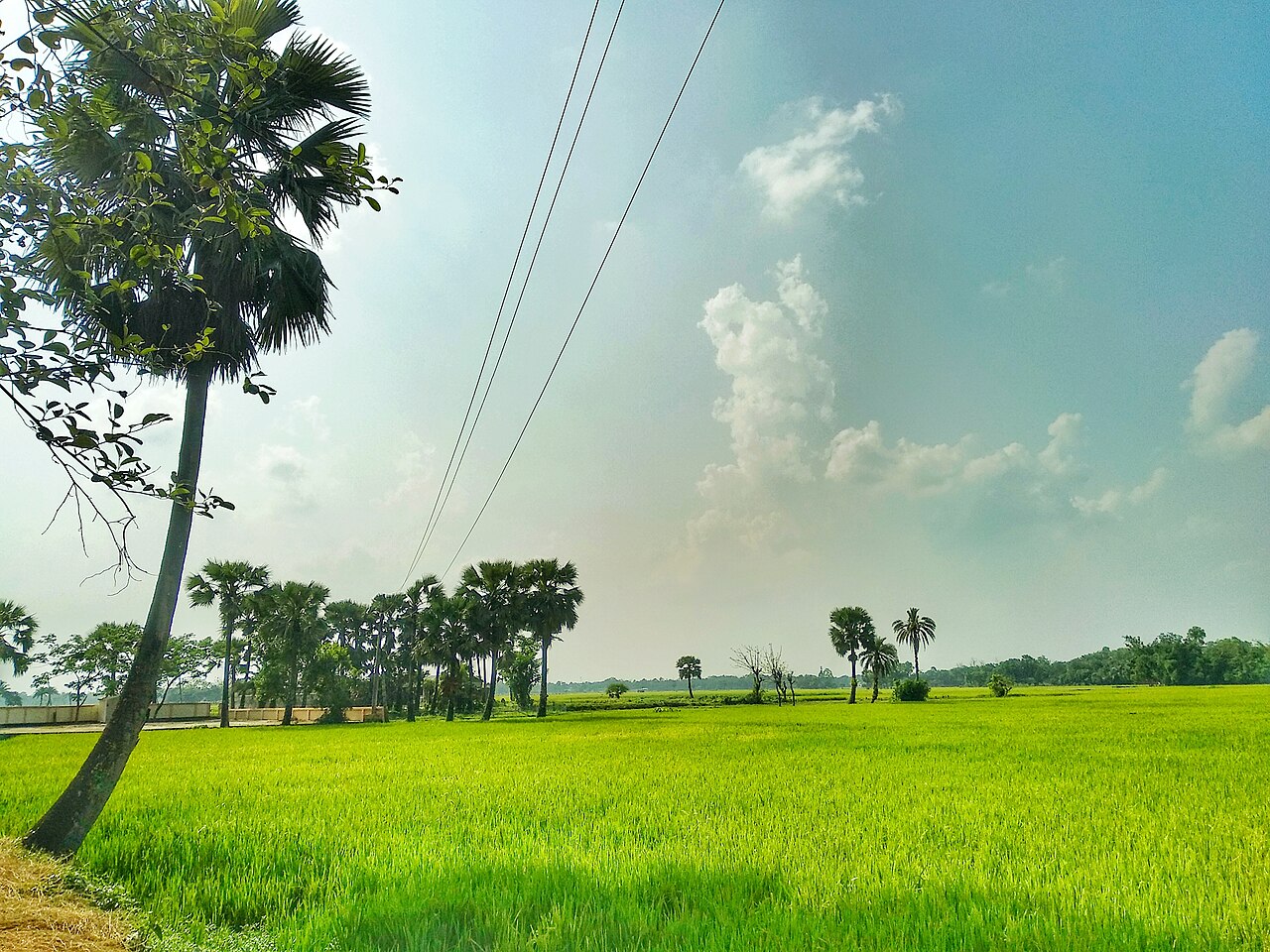
Photo: Sumon Mallick / Wikimedia Commons (CC BY-SA 4.0)
Sources: Jagonews24, The Business Standard (Bangla), Dhaka Times, Banglapedia
Comments
(0)