
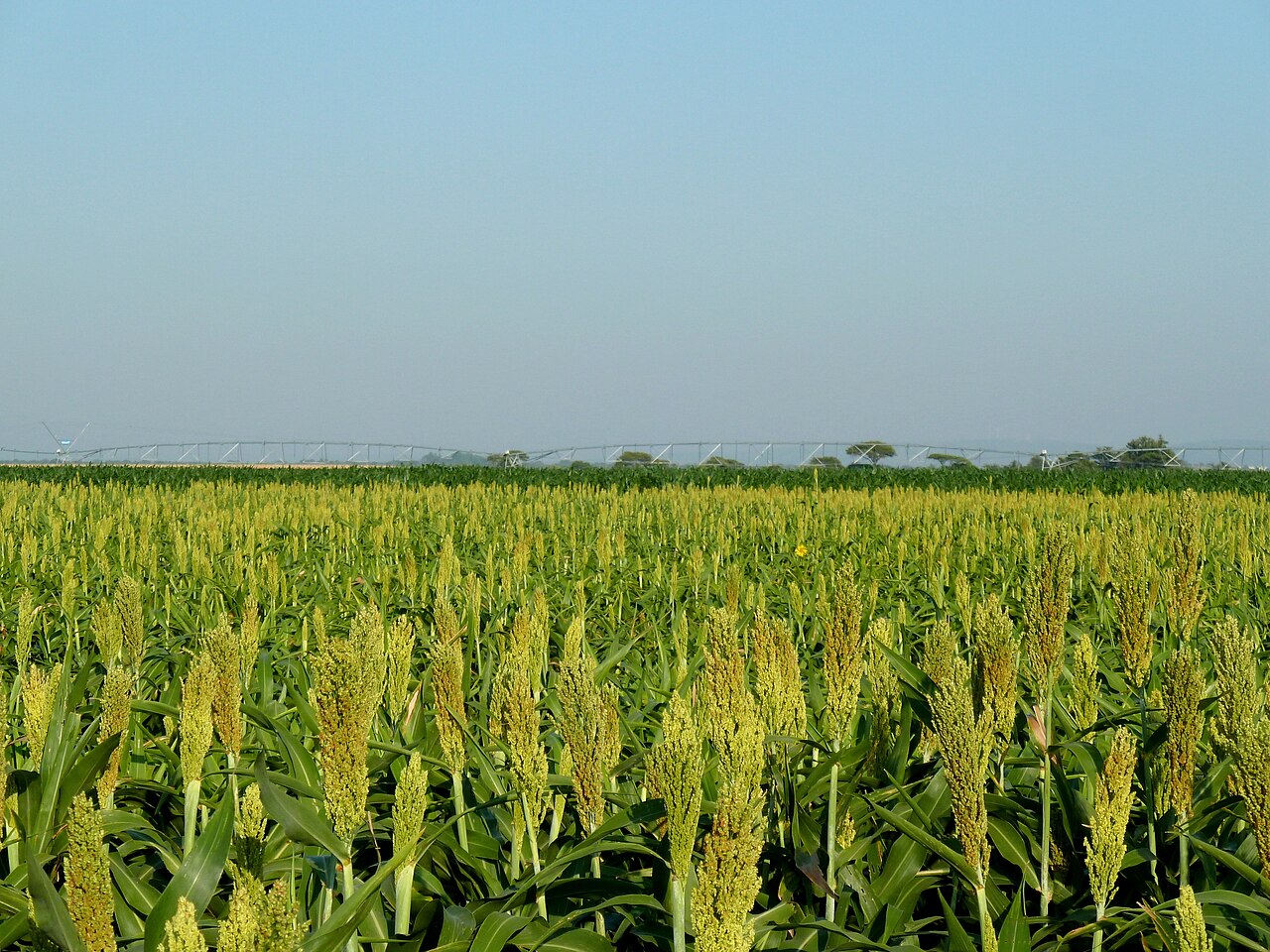
A good crop is not the same as a profitable farm, and the income statement, also called the profit and loss statement, is how a farmer tells the difference, Cobus du Plessis wrote in a finance guide for Farmers Weekly South Africa on 30 October. It summarises a farm's performance over one financial year and answers one question: did the farm make or lose money, and by how much?
His example is a fictional but realistic farmer, Thabo Mokoena, who farms 15 hectares in Limpopo with maize, tomatoes and a small broiler unit. Mokoena's gross income includes not only cash sales but a R12,000 rise in inventory. That is accrual accounting: income and costs are recorded when earned or incurred, not when cash moves. If he harvests 10 tonnes of maize and sells 8 before year-end, the 2 tonnes in the silo still count as this year's income. Cash accounting can make a farm look rich in the month of a big sale and broke in the month inputs are bought.
Gross profit, R183,100 after direct production costs, gives a gross margin of 54.2% on total income of R337,700: 54 cents of every rand remains after paying for seed, fertiliser and other direct costs. Du Plessis suggests benchmarking that figure against similar farms through AgriSA, the Land Bank or commodity bodies such as Grain SA. Separating variable costs, which rise with output, from fixed costs such as a permanent worker's wage shows the break-even point and why fixed costs hurt in a drought.
Depreciation is the cost most emerging farmers ignore. Mokoena's statement carries R22,800 for it, although no cash left his account. Under the straight-line method, a R280,000 tractor with a R30,000 salvage value and a ten-year life loses R25,000 a year. A farmer who ignores this will think he is richer than he is until the tractor dies and there is nothing to replace it, so commercial farmers set aside their annual depreciation for replacements.
Mokoena's net farm income is R64,600, roughly a 10% return on the more than R600,000 he has tied up in lease prepayments, equipment and working capital, which raises the question of whether the land and money would earn more elsewhere. Du Plessis also warns against mixing personal drawings with farm costs, urges consistent valuation of stored grain, standing crops and livestock, and recommends ratios such as operating expenses to gross income, return on assets and debt to income.
Photo: JMK / Wikimedia Commons (CC BY-SA 3.0)
Source: Farmers Weekly South Africa

Comments
(0)