
Maha Mirza, a researcher and part-time teacher in the economics department at Jahangirnagar University, takes on the claim that rural people who move to cities to drive auto-rickshaws are "destroying" agriculture. In an analytical column in Prothom Alo, she argues that the farm crisis is not falling yields but losses despite bumper harvests, and a shortage of machinery. The views are the writer's own.
By her account, rice output per head has grown over four decades and vegetable production has risen by 10 million tonnes in a decade. Yet even with good Aus, Aman and Boro crops this year, farmers are losing Tk 5,000 a bigha; potatoes cost Tk 17 a kilo to grow and sell for Tk 7 in the field; and production costs have risen 25 percent in five years, with seed, TSP, pesticide, diesel and irrigation all dearer.
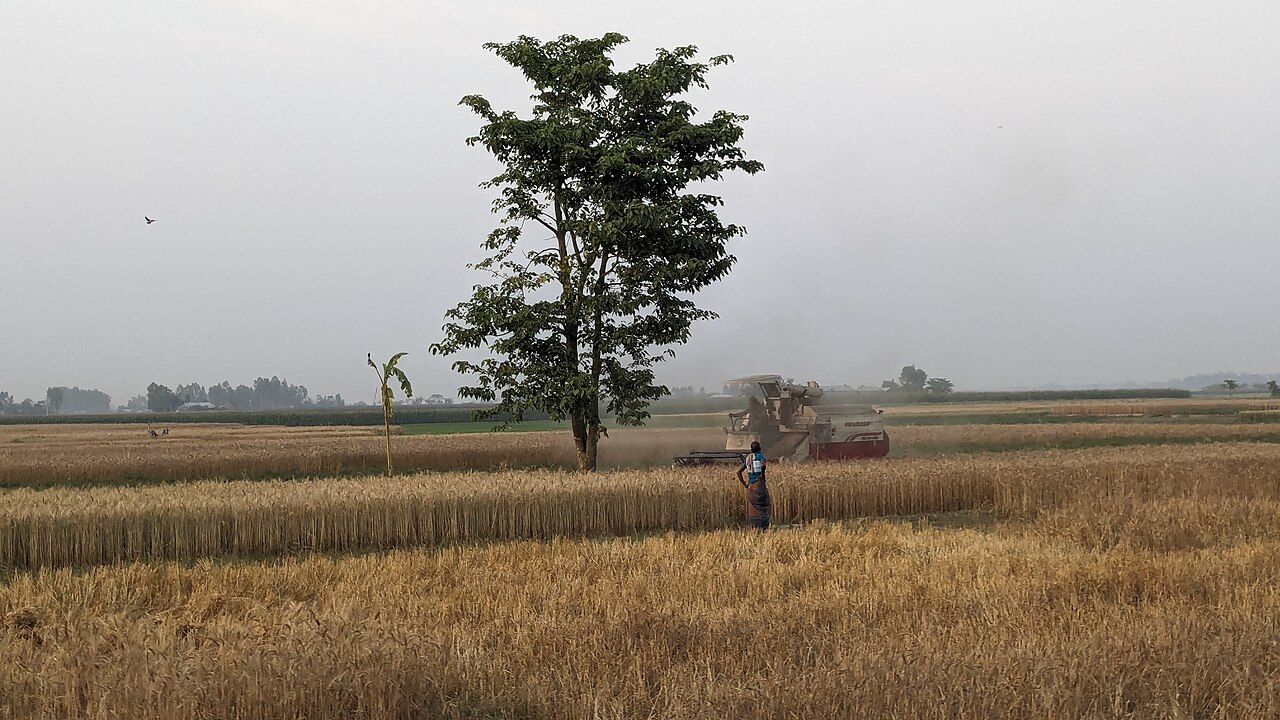
Labour shortages at harvest are nothing new, she reminds readers. Rice in seven districts ripens together at the end of April, and about 5 million tonnes must be cut within a month; the haors alone need 400,000 farm workers a day and fall about 60,000 short. Yet demand for farm labour adds up to only about four months of the year, leaving villages without work the rest of the time. She points to India's 2005 rural employment guarantee law as one response.
Her answer is mechanisation. As China, Thailand and Vietnam industrialised and workers moved to cities, they brought machines to smallholders through public machinery service centres, rentals, subsidies and cooperatives. Bangladesh imports Tk 12,000 crore of farm machinery a year, and making, repairing and supplying parts for machines could create rural jobs, she writes. She also raises allegations of irregularities in a Tk 3,000 crore farm-machinery distribution project under the previous government.
On food loss, she cites figures she attributes to the world food agency: 15 to 20 million tonnes of food are lost in Bangladesh each year, including 40 percent of fruit and vegetables, 30 percent of fish and 17 percent of rice, so about 20 percent of what farmers grow is wasted for lack of cold storage and preservation. Grain processing industries, she argues, could create work in villages.
Citing the 2022 Labour Force Survey, she says the share of people working in agriculture has risen from 40 to 45 percent in a decade, and return migration from city to village is growing. In her view the urban informal sector and village farming keep each other alive: when men move to the city, women take over the farm work, and money sent home pays for sharecropping, livestock and loan instalments.
She ends by arguing that blaming low-income people while hiding the real causes of the crisis has become common everywhere. Citing the World Bank, she writes that 400,000 surplus farm workers come to the city each year and many return when they cannot survive there. She criticises the absence of any state plan to create jobs, and the bulldozing of informal workers' livelihoods without first giving them policy, order or licensing.
Photo: Tanvir Rahat / Wikimedia Commons (CC BY-SA 4.0)
Source: Prothom Alo



Comments
(0)