
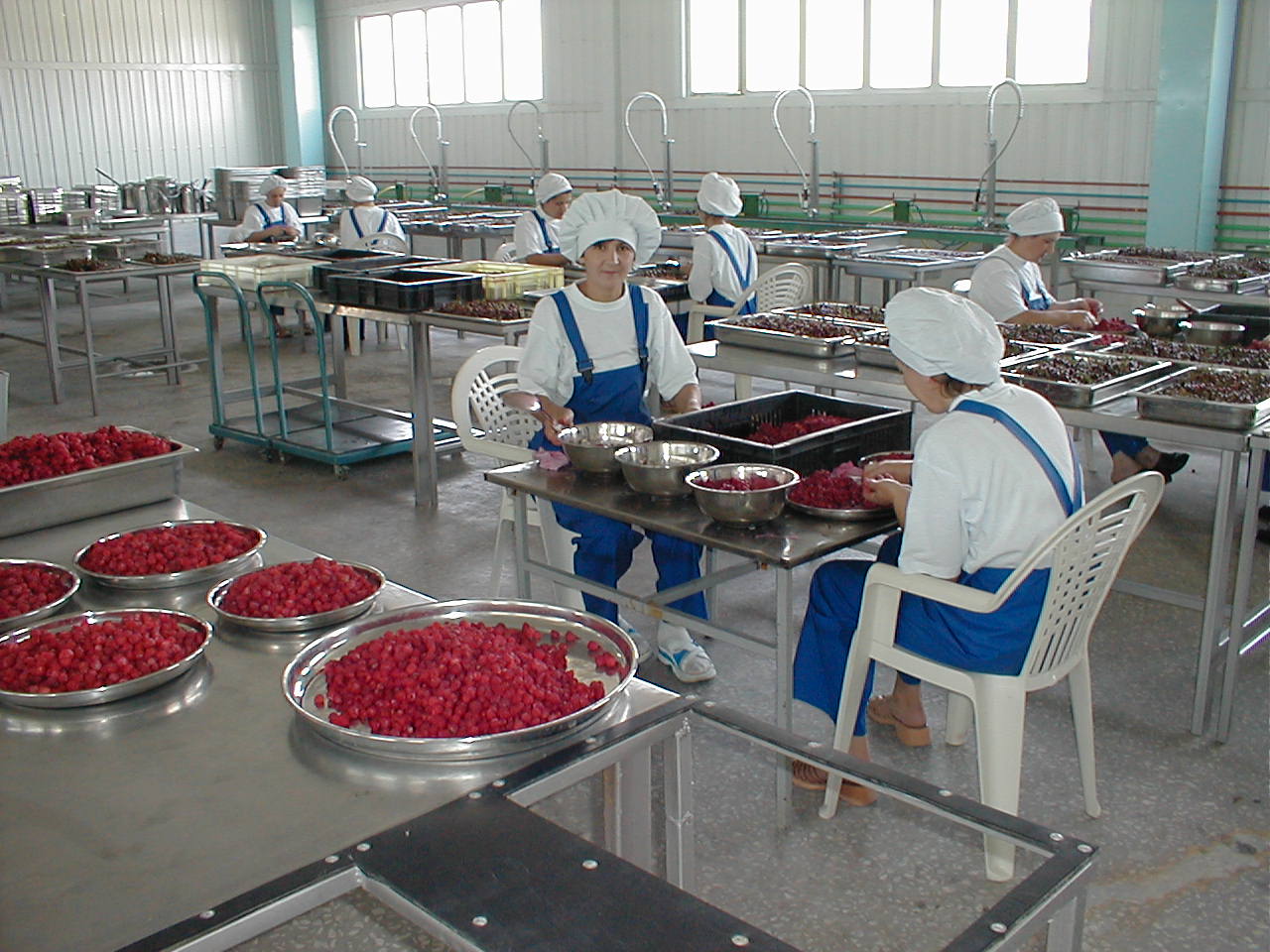
As the world's population has grown and incomes have risen, eating habits have changed enormously, and processed foods are now valued far more highly than raw farm produce. Fruit, oilseeds and food grains are turned, with modern technology, into products that keep for months and travel across the world, and a vast commercial market has grown up around this trade. On 28 June 2026, Jagonews24 drew on the latest global database of the United Nations Food and Agriculture Organization (FAO) to set out the ten countries that process the largest volumes of fruit and crops, reporting that more than half of that top ten lies in Asia, with China at the very top.
According to the FAO data, several countries dominate the sector through modern infrastructure and technology, and Asian countries in particular lead in processing farm produce. The detailed picture of the top 10 is set out below, with every figure and rank taken from the FAO database.
The FAO and its figures
The Food and Agriculture Organization of the United Nations was founded on 16 October 1945 and is the UN's specialised agency for food and agriculture, with its headquarters in Rome, Italy. One of its best-known tools is FAOSTAT, a free public database that gathers food and agriculture statistics from more than 245 countries and territories, covering the production of crops, livestock and processed products among many other indicators. It is this database that the rankings in this report draw on. Because the figures are collected to a common standard across countries, the scale of each nation's processing industry can be compared on the same basis, which is why a single database can place China, Brazil and Germany side by side.
What agro-processing means
Agro-processing is the transformation of agricultural raw materials into food or other usable products. It ranges from grinding grain into flour to turning cane into sugar, soybeans into oil or grapes into wine. Processing is usually divided into three stages. Primary processing turns raw crops into basic edible material, such as threshing and milling grain, extracting oil from seeds, or pasteurising milk. Secondary processing makes familiar foods from those ready-to-use ingredients, such as baking bread or fermenting grain and grape juice into beer and wine. Tertiary processing is the commercial manufacture of packaged, ready-to-eat processed food.
The history of food preservation and processing is a long one. In ancient times people slowed spoilage by fermenting, sun-drying, salting and smoking. The modern industry began in the nineteenth century. In 1809 the French inventor Nicolas Appert devised a way to preserve food in hermetically sealed containers, and in 1810 Peter Durand introduced canning. In 1864 Louis Pasteur developed pasteurisation, which made it possible to preserve wine, beer and milk safely. In the early twentieth century Clarence Birdseye built up the frozen-food industry. These technologies are the foundation of today's huge processing sector.
The main methods of processing include canning, drying, freezing, milling and oil extraction. Oil is obtained either by mechanically pressing the seeds or fruit, or by washing the crushed material with a solvent that is later removed, while grain is milled between rollers or stones. Fermentation, the controlled action of yeast or bacteria, turns sugars into alcohol to make beer and wine and is used for many other foods as well. Canning and freezing seal food away from the air and from spoilage organisms so that it keeps for a year or more. The purpose of all these methods is the same: to keep perishable farm produce usable for long periods, to carry it to distant markets, and to cut waste. Consumers gain safe, convenient food, while producing and processing countries build large industries and export earnings.
China and Brazil at the top
According to the FAO, China is the world's number one country for processing fruit and crops, with total annual processing of about 99,526,676 tonnes. Behind this achievement lie a skilled workforce and a low-cost production system. Its factories process mostly beer, soybean oil and sugar, and China also plays a leading role in tea processing. Industry and FAO statistics show that, by volume, China is the world's largest beer producer and also the largest tea producer, positions it has reached thanks to huge domestic demand and a vast agricultural base.
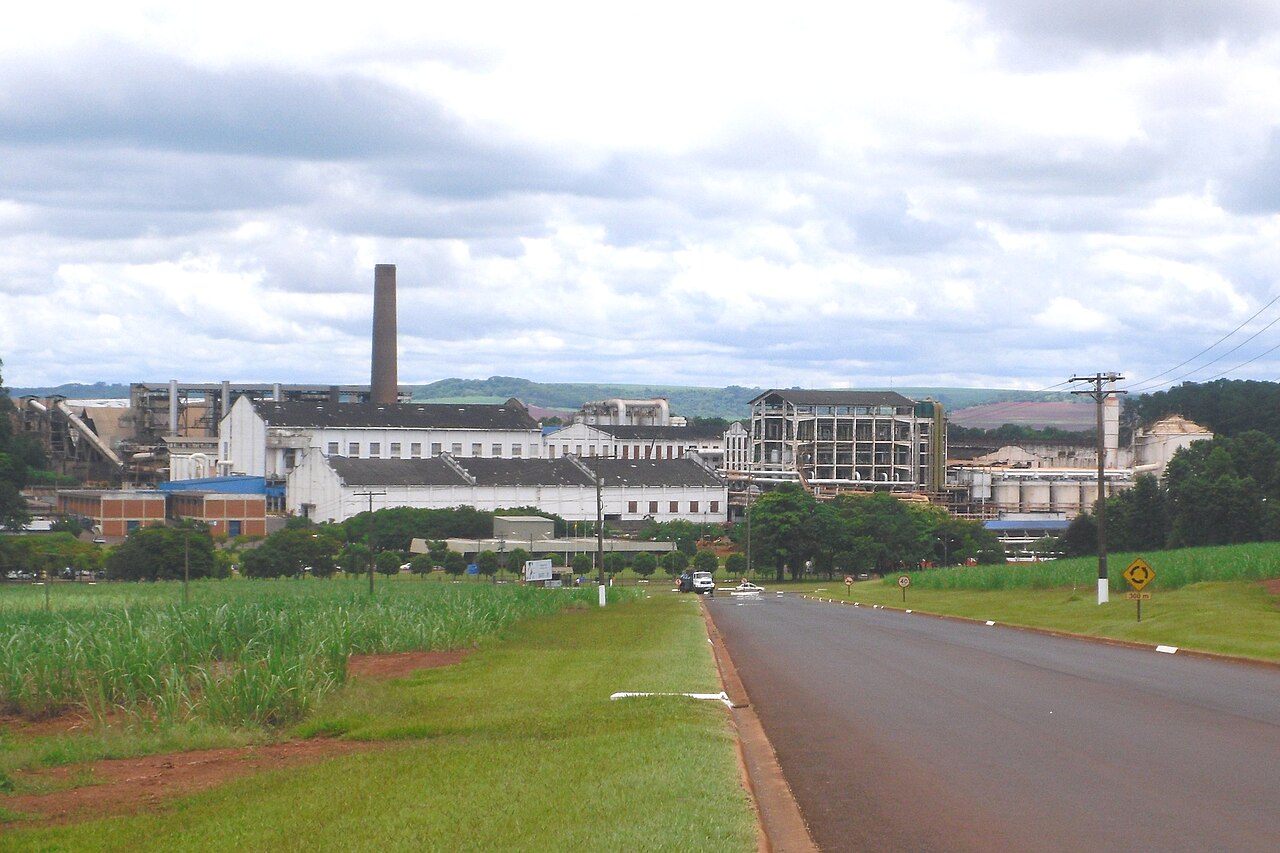
Second is Brazil, with total processing of 99,346,329 tonnes. Brazil is one of the world's leading sugar producers and has a strong influence on the global market for cane sugar and its by-product, molasses. According to industry statistics it has for many years been the world's largest grower and exporter of sugarcane and cane sugar. It is also far ahead in beer production. Molasses is the thick, dark by-product left when sugar is refined from cane or beet, and it is widely used in animal feed and in making rum and ethanol.
India and Indonesia
Third is India, with total crop processing of 82,868,513 tonnes. A huge domestic market and plentiful raw materials are driving India forward quickly. Its main processed products are sugar, molasses and large quantities of cottonseed. Cottonseed is a by-product of cotton farming; it yields cooking oil and the oil-cake used as livestock feed. Like Brazil, India is one of the world's largest growers of sugarcane and sugar.
Fourth is Indonesia, the world's largest island nation, with total processing of 68,353,451 tonnes. Like Malaysia's, Indonesia's economy depends heavily on palm oil, and the large majority of the world's palm oil comes from these two countries. Indonesia's main products include palm oil and palm kernel oil. Palm oil comes from the fleshy part of the fruit of the oil palm (Elaeis guineensis), while palm kernel oil comes from the hard seed, or kernel, inside that fruit. Palm oil is used in a wide range of products, including food, soap, cosmetics and biofuel.

The United States and Russia
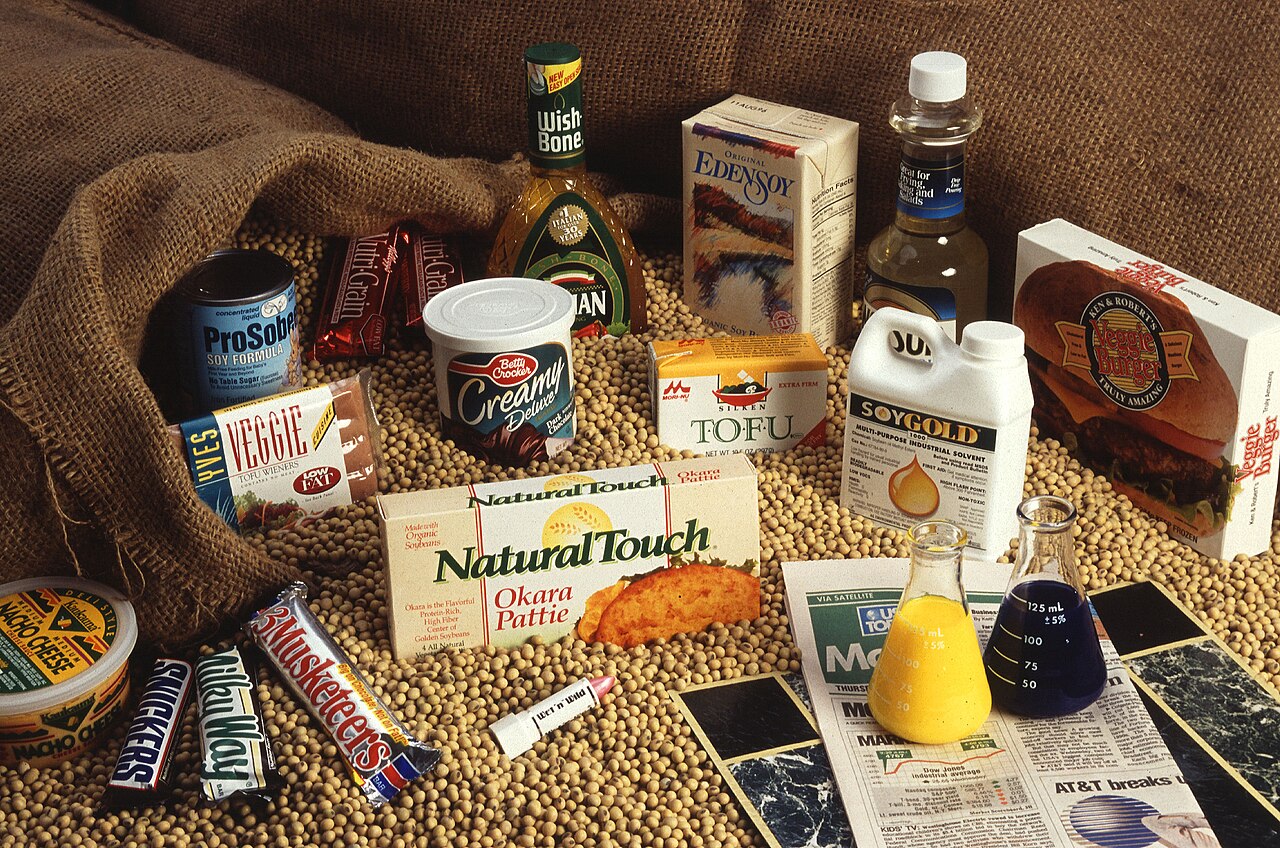
The United States, the world's largest economy, is fifth, with total annual processing of 59,057,577 tonnes. Raw materials from its huge farm sector are processed in factories using advanced domestic technology. Its main products include soybean oil, beer and sugar. Soybean oil is extracted from soybeans and is one of the most widely used edible oils in the world; the United States and Brazil are the world's largest soybean producers.
Russia, the world's largest country by area, holds a strong position too, ranking sixth with annual output of 27,053,517 tonnes. Its plants produce mostly beer, sunflower oil and cane sugar. Sunflower oil is pressed from sunflower seeds; it is a light cooking oil, and Russia is one of the world's leading producers of it. Russia supplies large quantities of these products to European and Asian markets and easily meets its own domestic demand.
Malaysia, Mexico and Thailand
Malaysia, another economic power in South-East Asia, is seventh, with total processing of 25,687,485 tonnes. Its entire processing industry depends mainly on palm products, chiefly palm oil and palm kernel oil, and it is a major player in the global edible-oil market. Together with Indonesia, the two countries supply a large share of the world's palm oil.
Mexico, one of Latin America's leading economies, is eighth, with total annual processing of about 23,254,441 tonnes. Its products are in considerable demand globally. It processes mostly beer, sugar and various vegetable oils, and its location next to the United States makes exporting much easier.
Thailand, one of Asia's leading agricultural countries, is ninth, with total processing of 21,510,725 tonnes. Most of its processing industry is sugar and the molasses produced as a by-product. It also processes large quantities of palm oil for supply to other Asian countries.
Germany and the European market
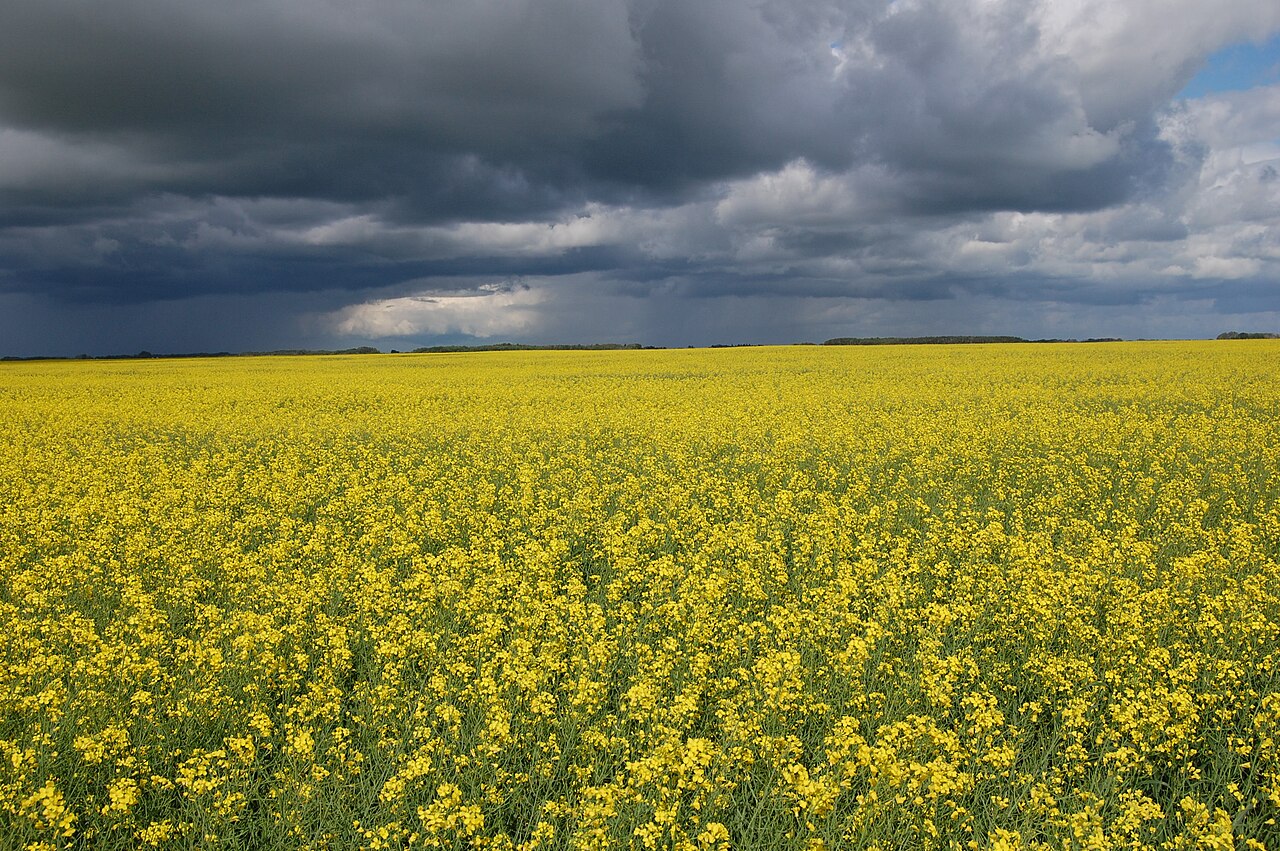
Tenth is Germany, in Europe. According to the latest UN data, Germany's total processing of fruit and crops in 2023 was about 19,540,842 tonnes. The country is highly advanced in modern technology, and its main processed products are beer, sugar and rapeseed or canola oil. Rapeseed is an oilseed crop of the mustard family; its low-erucic-acid variety is known as canola, and the oil is used for cooking and for biofuel. German processed products have a strong presence in the European market.
It is striking that five Asian countries, China, India, Indonesia, Malaysia and Thailand, make the top ten, against only Germany from Europe and Brazil and Mexico from Latin America. This FAO picture makes clear that the centre of the world's agro-processing is gradually shifting towards Asia.
The products behind the numbers
Knowing the products that come up again and again in the list makes the character of this industry easier to understand. The main processed products are summarised below.
- Sugar and molasses: sugar is made from sugarcane and sugar beet, while molasses, the thick, dark by-product of refining, is used in animal feed and in making rum and ethanol.
- Palm oil and palm kernel oil: palm oil comes from the fleshy part of the oil-palm fruit and palm kernel oil from the seed inside it; both are used in food, cosmetics and soap.
- Soybean oil: one of the most widely used edible oils in the world, extracted from soybeans.
- Sunflower oil: a light cooking oil pressed from sunflower seeds.
- Rapeseed or canola oil: oil from an oilseed of the mustard family, used in cooking and as biofuel.
- Cottonseed: a by-product of cotton farming that yields oil and livestock oil-cake.
- Beer and wine: two important processed drinks made by fermenting grain and grape juice respectively.
The list makes clear that much of the processing revolves around a handful of products such as sugar, edible oils and fermented drinks. Countries with plentiful raw materials such as sugarcane, oil palm or soybeans naturally lead the sector.
Edible oils make up a particularly large share of global processing. Palm, soybean, sunflower and rapeseed oils are among the most traded vegetable oils in the world, used not only for cooking but also in processed foods, animal feed, soaps, cosmetics and, increasingly, biofuels. That broad demand is one reason oil-producing countries such as Indonesia, Malaysia, the United States and Russia rank so highly.
The way these products are made helps explain the volumes involved. To make cane sugar, harvested cane is crushed in mills to squeeze out the juice, which is then clarified, boiled down and concentrated until sugar crystals form; the crystals are spun in a centrifuge to separate the sugar from the molasses that remains. The same plant therefore yields both refined sugar and molasses, which is why the two appear together for so many countries on the list.
Palm oil is produced differently. Fresh fruit bunches from the oil palm are first sterilised with steam, then stripped and pressed to release crude palm oil from the fleshy outer layer; the nuts left behind are cracked, and the kernels inside are pressed or extracted to give palm kernel oil. A single mill thus produces both of the palm products that dominate the industries of Indonesia and Malaysia.
Why processing matters
The processing industry not only extends the life of food but also plays a big part in strengthening a country's economy. When produce is exported as raw material, farmers and the country earn far less than when the same produce is processed and sold, which adds considerable value. Processing cuts crop waste, creates jobs and links agriculture to industry. The FAO has long argued that agro-industry is important for the rural economy and for food security.
Processing also reduces the heavy losses that farm produce suffers between harvest and the table. A large share of fruit, grain and oilseeds can spoil before it is used, and turning them quickly into stable products such as oil, sugar or canned goods saves much of that food. For Asian countries with very large populations and farm sectors, building processing capacity close to where crops are grown both feeds domestic demand and creates goods to export, which helps explain why so many of them sit near the top of the FAO list.
The output of the leading countries shows that agro-processing will become even more important in the world economy in the coming days. Least developed and developing countries are now turning to processing rather than simply exporting raw materials, so that they can keep the full value of their produce at home. The rise of Asian countries to the top of the list points to exactly that shift.
Photo: Narek75 / Wikimedia Commons (CC BY-SA 4.0)
Sources: Jagonews24, UN Food and Agriculture Organization (FAO), encyclopedic references on food processing and related products
Comments
(0)