
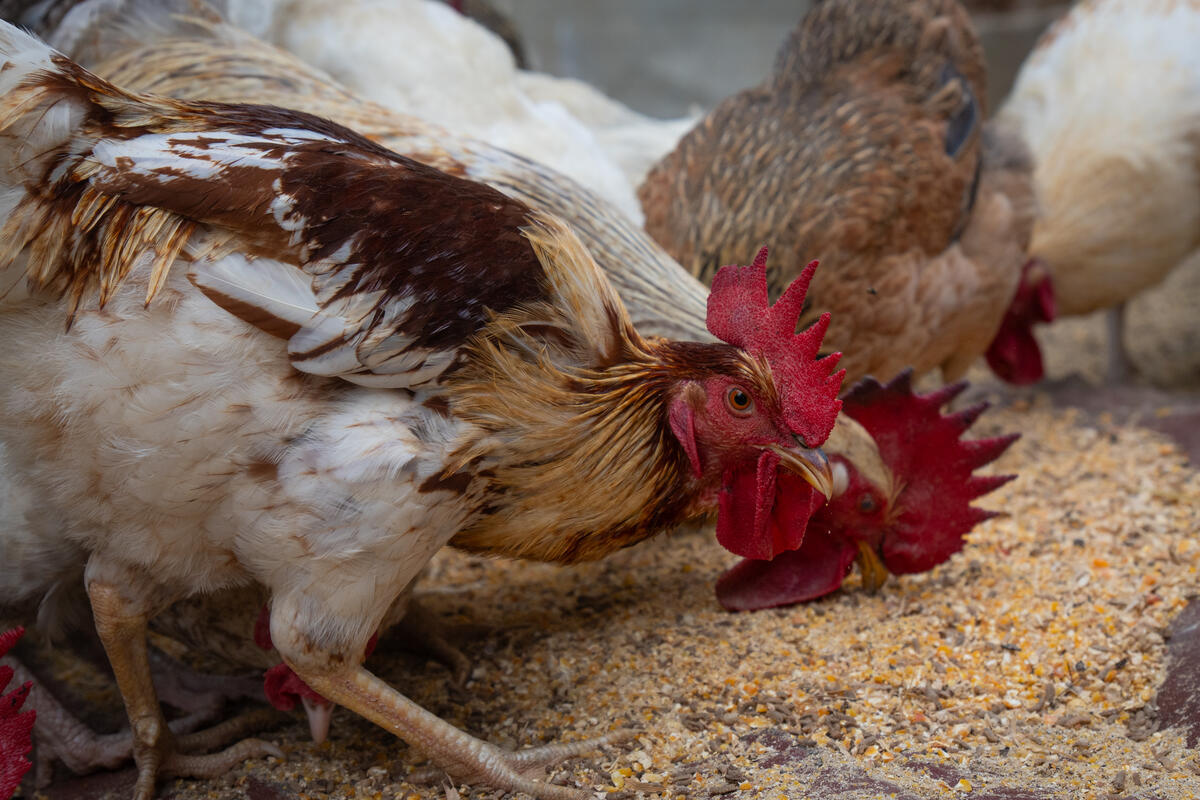
Livestock production systems provide one-third of the world's total protein supply, most of it from mixed crop-livestock and poultry systems, according to a new study by the Food and Agriculture Organization of the United Nations.
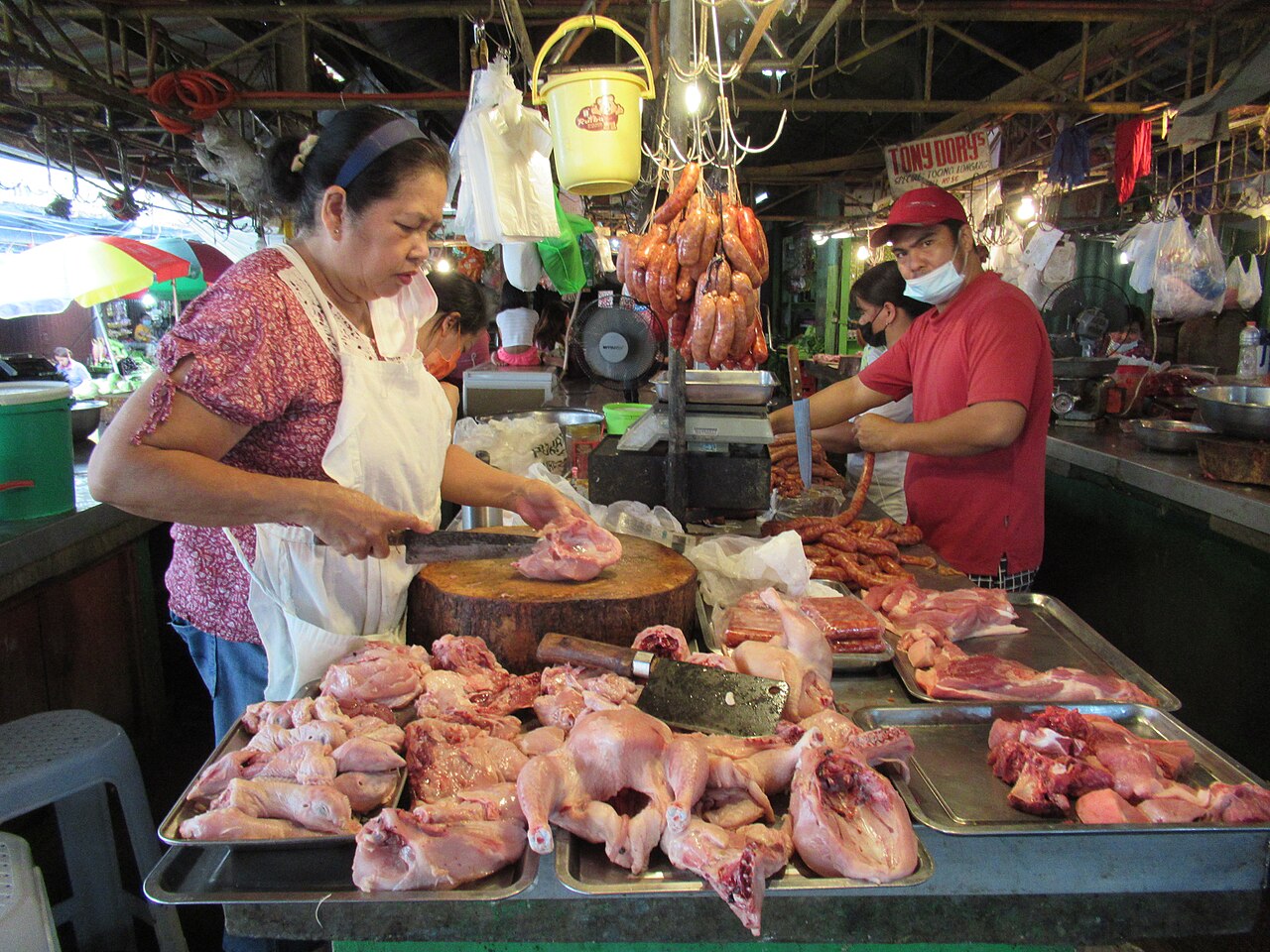
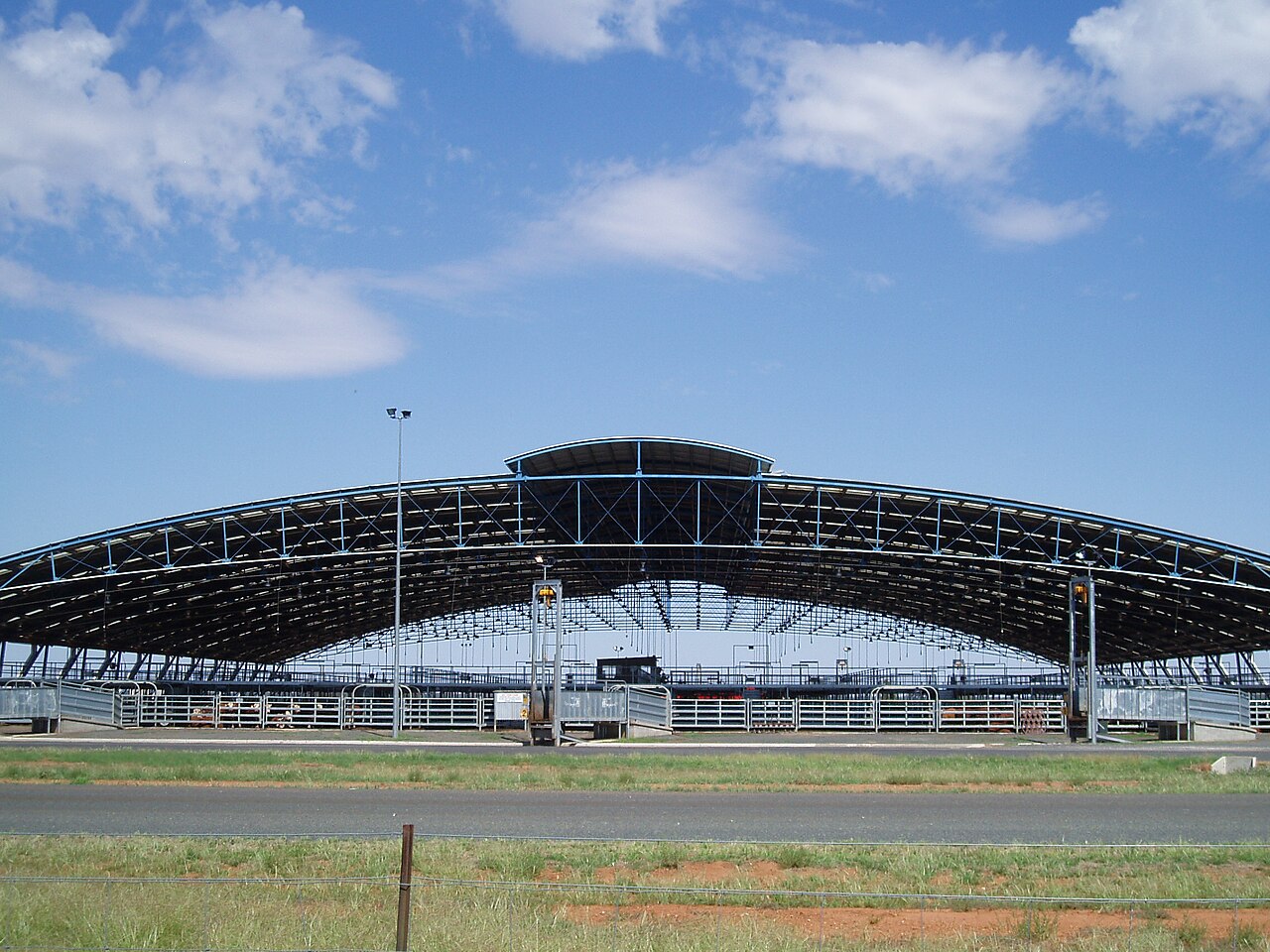
Feedlots and intensive systems rest on important economic foundations, the report says, but the bulk of livestock's contribution to food security runs through national and local markets. Only 15 per cent of meat, 12 per cent of milk and dairy products and just 3 per cent of eggs are traded across international borders.
The sector is going through a transformation expected to last decades. Competition between feed and food for land, set against a slowing expansion of arable cropland and of deforestation, is pushing producers towards agro-industrial by-products, less conventional feeds, grasslands and marginal land to raise the supply of terrestrial animal-source food.
The document, Contribution of the livestock sector to food security and sustainable agrifood systems: benefits, constraints, synergies and trade-offs, is the third in a series prepared at the request of FAO members for a comprehensive, science-based global assessment of the sector.
It assesses the published scientific literature along with relevant policies and legal frameworks, organising the evidence by type of livestock production system and setting out the benefits, constraints, synergies and trade-offs each faces.
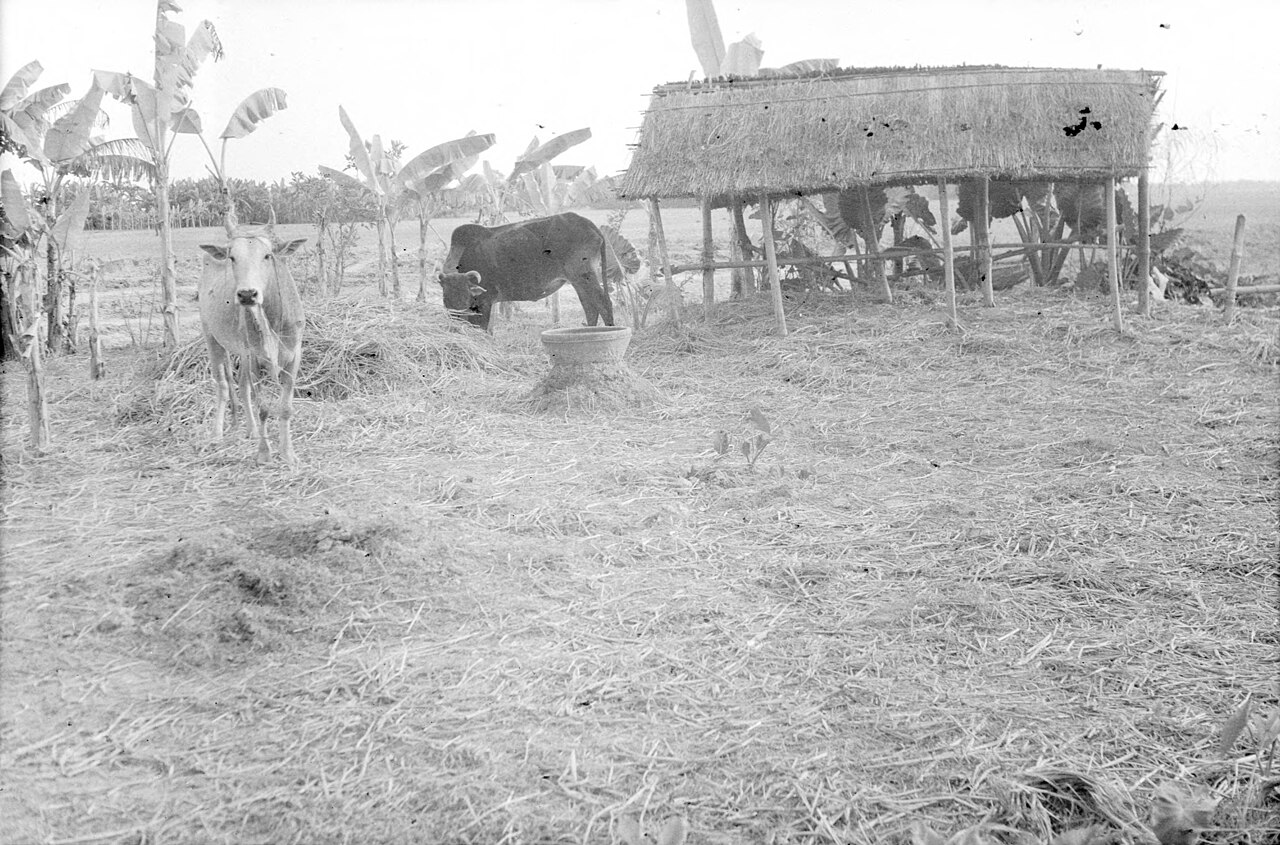
The finding that most animal protein is eaten close to where it is produced matters for countries like Bangladesh, where dairy, poultry and small ruminants are overwhelmingly domestic trades and where policy has more purchase than world prices.
Source: FAO Newsroom
Comments
(0)