
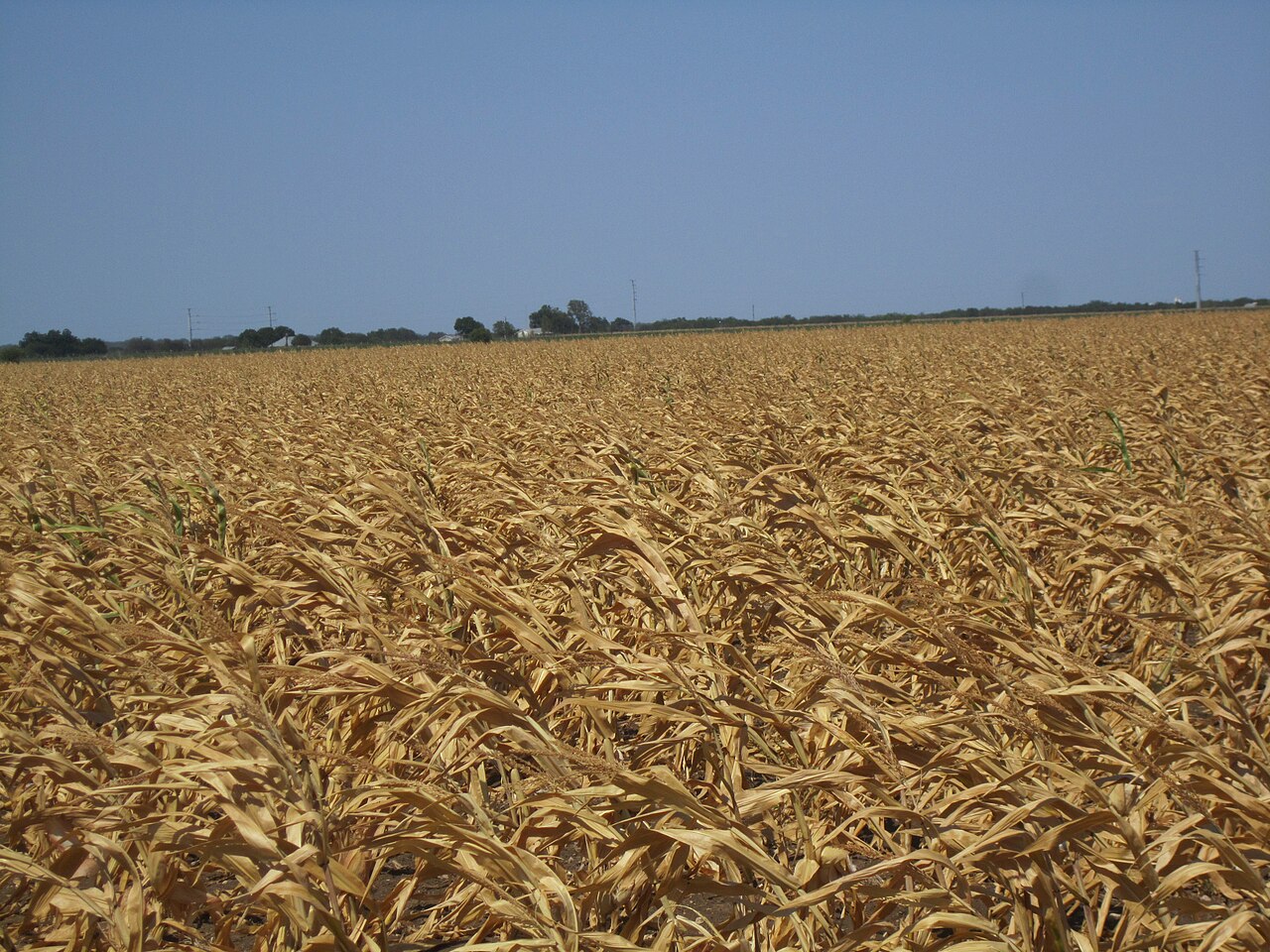
Extreme heat in 2026 has shown how quickly harvests, raw-material supply and ingredient costs can be disrupted, and food manufacturers are rethinking where they source, how much they hold and which ingredients they can rely on, FoodNavigator reports.
France, the EU's largest corn producer, is expected to see production halve to below 7 million tonnes, its lowest in 50 years, according to the USDA's Foreign Agricultural Service. In the UK, during what should have been the peak domestic season, wholesalers, restaurants and supermarkets had to import iceberg lettuce and broccoli from Spain and the Netherlands, said Ronald Guendel, president of the International Food and Agribusiness Management Association. Broccoli yields fell by half in some areas, and wholesale prices of lettuce, tomatoes and potatoes rose sharply.
"This shows how a weather event quickly becomes a commercial issue," Guendel said: companies keep shelves stocked only by changing suppliers, accepting different specifications and paying more. Anna Pierce, sustainability director at Tate & Lyle, said floods, heatwaves and wildfires this year have hit crop yields and that businesses will again reassess how they source key commodities.
Marc De Schutter, chief procurement officer for North America at Kerry, said climate events have affected cocoa, sugar, coconuts, grains and more, and that one event can ripple across many ingredients because crops such as corn and soy go into food, feed and biofuels.
Brendan Niemira, chief science and technology officer at the Institute of Food Technologists, said climate change will shift where crops and livestock do well and how plant and animal diseases and pests spread, and that manufacturers must adapt, including by being able to trace every ingredient to its source for food safety.
Photo: Billy Hathorn / Wikimedia Commons (CC BY 3.0)
Source: FoodNavigator


Comments
(0)