
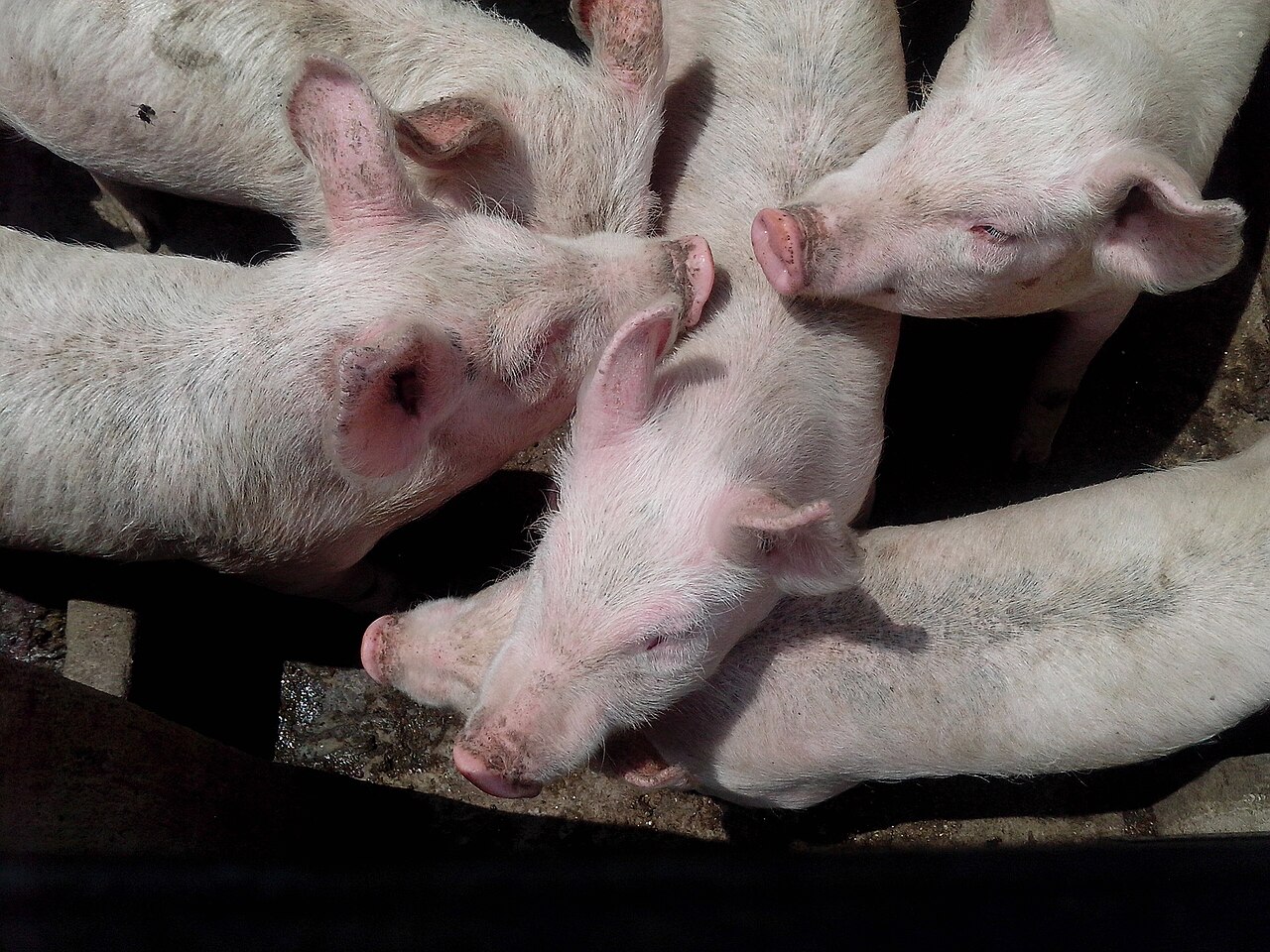
The recovery in European finished pig prices has lost momentum as disease risks and rising production weigh on the pork market, according to an update from the UK's Agriculture and Horticulture Development Board (AHDB) reported by Agriland's Kathleen O'Sullivan.
AHDB analyst Adam Chowdry said tighter short-term supply after the summer heatwaves, which cut pigs' feed intake and growth, had supported prices, most clearly in Germany and Spain, along with a return to normal trade after the holidays. Prices have risen in most major producing countries over the past month but remain below a year earlier everywhere except France.
EU pigmeat production reached 11.1 million tonnes in the first half of 2026, up 1.8 percent (199,600 tonnes) on a year earlier. Spain rose 3 percent (84,900 tonnes), Denmark 9 percent (61,700 tonnes) and Poland 3 percent (33,100 tonnes), while the Netherlands fell 7 percent (50,700 tonnes). Clean pig slaughter rose 2 percent to 113.9 million head and average carcass weight 0.3 percent to 97.5kg.
Exports fell 1.2 percent to 1.98 million tonnes. China remained the largest destination but took 19.5 percent less, which Chowdry put down to anti-dumping measures, oversupply, weaker demand and China's push for self-sufficiency; shipments to the UK fell 6 percent, while those to South Korea rose 50 percent to 193,300 tonnes and to Vietnam 35 percent to 85,400 tonnes. Imports rose 7 percent to 70,300 tonnes, 52,300 tonnes of it from the UK.
Chowdry called African swine fever a "significant risk", noting that outbreaks in domestic pigs in Hungary have spread to areas further from earlier cases. With strong supplies, subdued demand and low prices, and China's duties making it harder to compete with lower-cost suppliers such as Brazil, he said market conditions "could remain challenging into 2027".
Photo: Saharalyn / Wikimedia Commons (CC BY-SA 4.0)
Source: Agriland

Comments
(0)