
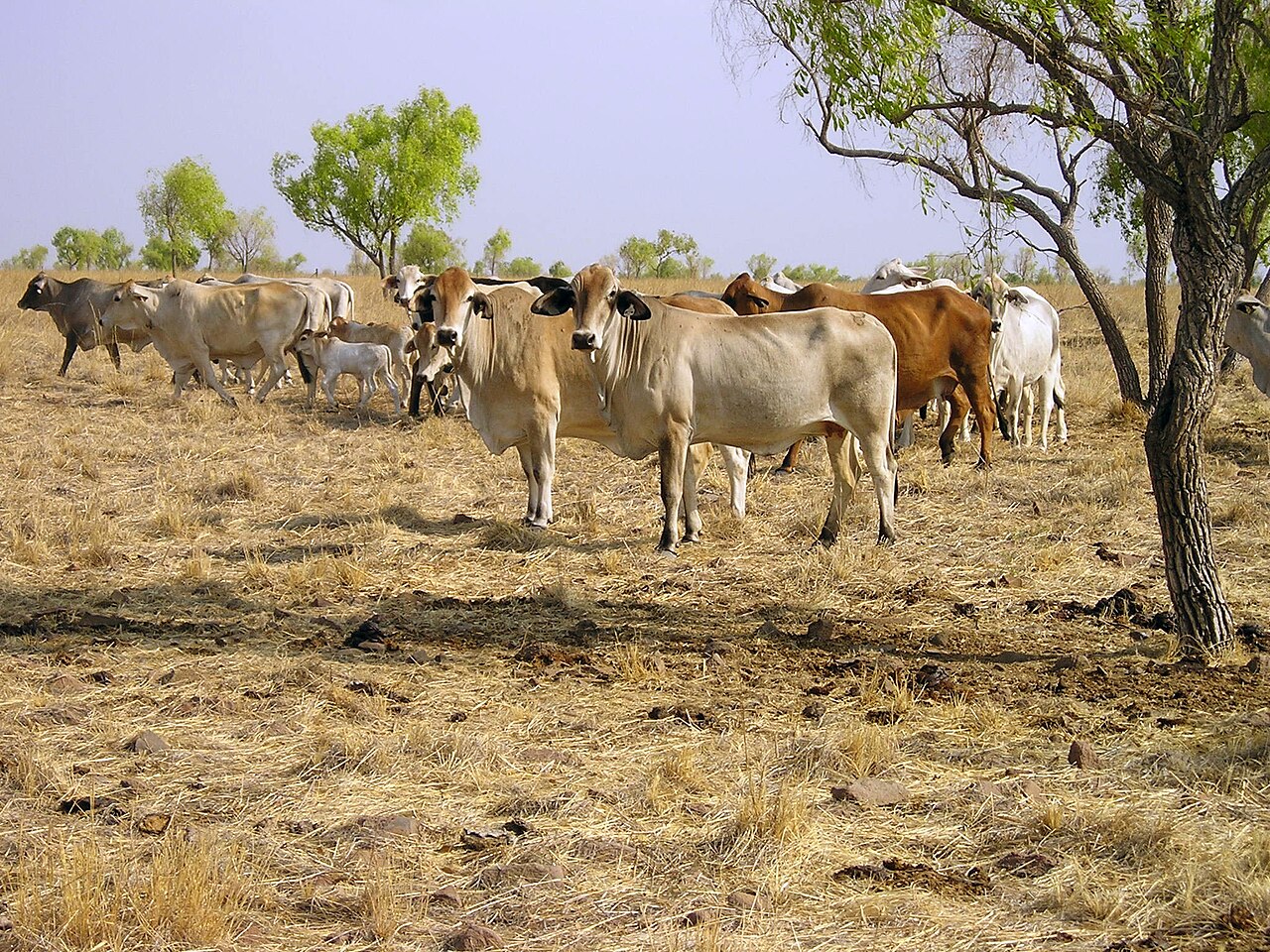
A webinar for Australian exporters hosted by the Department of Agriculture, Forestry and Fisheries (DAFF) appears to have removed any doubt that the EU Deforestation Regulation (EUDR) will take effect as planned on 31 December, after two consecutive 12-month delays, Beef Central's Jon Condon reports.
For Australian beef and lamb going to the EU by sea, that effectively means product shipped from next month must comply with the regulation.
The rules require all products in scope, domestic and imported, to be legally produced and deforestation-free. They cover beef and lamb, soybeans, wood, coffee, rubber, cocoa, oil palm and listed derived products; cattle hides and processed leather were on the original list but have been removed. The briefing said global forest loss seemed to be accelerating after a slowdown in the previous decade, with conversion to permanent agriculture accounting for 97.1 percent of deforestation.
Australia is classed as a low-risk country, so operators sourcing from it can use simplified due diligence: they collect the information needed for a risk assessment and, if it finds no or negligible risk, need no further mitigation. For Australian beef, the main requirement is the geolocation of the properties that supply EU-eligible cattle.
The EU's ban on imports of Brazilian beef earlier this month centred on Brazil's failure to guarantee that antimicrobials prohibited in the EU are not used, though many EU commentators also linked it to deforestation concerns.
Without a free trade agreement, Australian beef exports to the EU remain small: 4,457 tonnes so far this year, about half of one percent of all exports and almost the same as last year, compared with 23,400 tonnes in 2015. The European Commission has published a revamped website and guidance material on the regulation.
Photo: CSIRO / Wikimedia Commons (CC BY 3.0)
Source: Beef Central
Comments
(0)