
The Council of the European Union agreed on 30 September a negotiating position that would cut maximum residue levels (MRLs) on imported food and feed to "technical zero", the limit of quantification, for pesticide active substances banned inside the EU on health or environmental grounds, Global Agriculture reports. The measure is part of the broader Omnibus X package to simplify food and feed safety rules.
It targets substances the EU no longer permits because they are linked to cancer, reproductive toxicity, endocrine disruption or long-term environmental harm, and extends zero tolerance to pesticides judged to pose unacceptable risks to honeybees or groundwater. Products that met the previous, higher limits could stay on the market for a transition period, still to be negotiated with the European Parliament.
Ministers also capped most first approvals of active substances inside the EU at 15 years, with renewals of up to 25 years, while low-risk substances remain eligible for unlimited approval. Data protection for registration studies would rise from 10 to 13 years for conventional products and from 13 to 15 years for low-risk ones, and biocontrol substances get a fast-track assessment.
Ireland, which holds the Council presidency, will negotiate with the Parliament once it adopts its position, aiming for a provisional deal on Omnibus X by the end of 2026. Global Agriculture notes that countries exporting produce, grain, spices or processed food to the EU while still permitting pesticides the bloc has withdrawn could face a much narrower compliance margin, even on shipments that clear customs today.
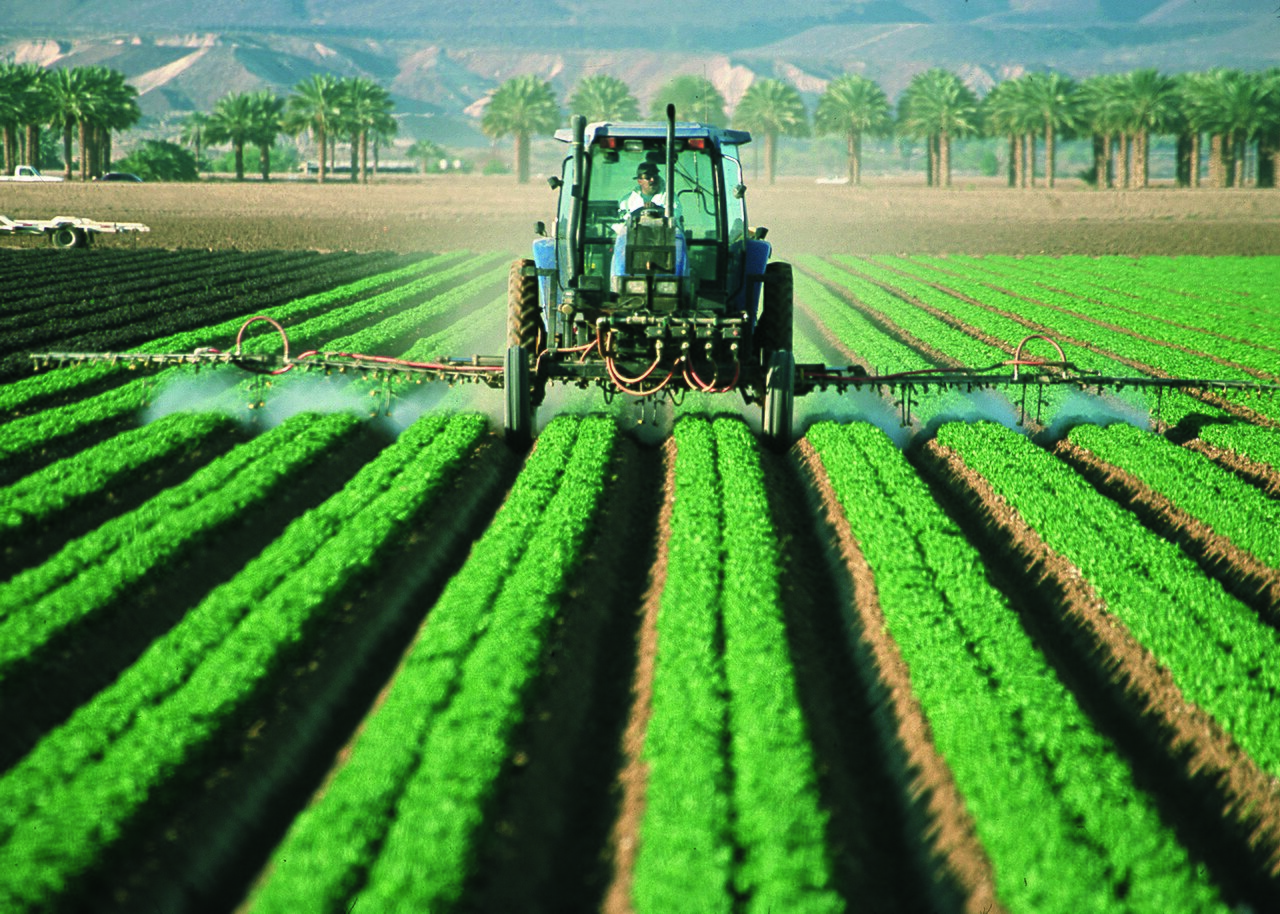
Photo: Jeff Vanuga, USDA NRCS / Wikimedia Commons (Public domain)
Source: Global Agriculture


Comments
(0)