
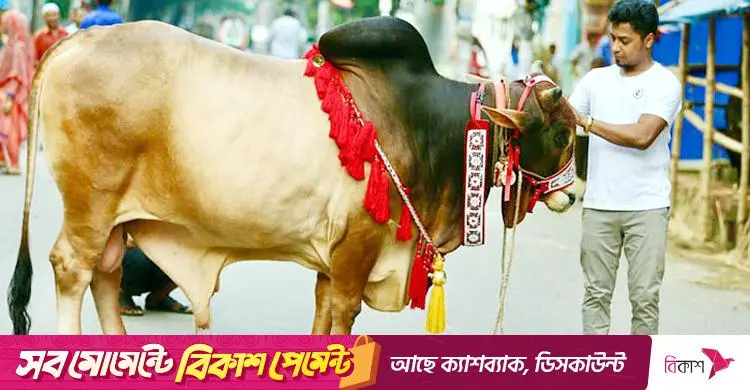
Every day of the year carries some meaning in our lives, but certain days remind us of responsibility, awareness and our duty to society. One such day is 5 June, World Environment Day. This year it comes just two days before holy Eid-ul-Azha, the Eid of sacrifice.
The two occasions test both our awareness and our spirituality. On one side is the pledge to protect the environment; on the other, the command to sacrifice animals for the pleasure of Allah. There is no conflict between the two; rather, it is essential to bring them into harmony. Celebrating Eid while keeping the environment intact is the mark of true piety.
In Bangladesh's cities, the Eid of sacrifice seems to mean blood on the streets, meat waste, foul smells and clogged drains in the rain. In most cases animals are sacrificed in front of homes, in lanes or beside drains instead of at designated places. This obstructs sewerage, raises the risk of waterlogging and, along with pollution, seriously increases health risks.
The joy of Eid-ul-Azha is tied to the special religious significance of animal sacrifice. But it is vital to be mindful of the environment while performing the ritual, and a few simple steps can make the sacrifice environment-friendly.
Simple steps
First, it is important to sacrifice at designated places. City corporations and municipalities publish lists of designated sacrifice spots every year before Eid. Sacrificing at these places makes waste easier to clear and greatly reduces the risk of pollution. It helps residents and lets cleaners work efficiently.
Second, the neighbourhood, especially drains and gutters, should be cleaned before the sacrifice. Without adequate drainage, animal blood and waste collect, spread foul smells and can spread germs. Keeping water channels open solves much of this.
Third, a large polythene sheet or a raised wooden platform should be used under the animal during sacrifice. This keeps blood and other fluids from spreading and keeps the surroundings clean. It is especially effective in urban residential areas.
Fourth, those with some open space at home can bury sacrificial waste in the soil to make organic fertiliser. This is eco-friendly and good for plants and rooftop gardens. Turning waste into a resource also freshens the home environment.
Finally, waste must be removed quickly after the sacrifice. Care must be taken that blood, hides or bones do not lie in the open for long. If cleaning is carried out as fast as possible with the help of local authorities, the risk of smells and germs falls.
These steps not only keep our surroundings beautiful but also mark a milestone in building an aware citizenry.
Cleanliness in Islam
In Islam, cleanliness is called part of faith. Hazrat Muhammad (PBUH) did not only command sacrifice; he also stressed kindness to animals, preparation before slaughter and cleanliness. So amid the joy of Eid we must remember that cleanliness and protecting the environment are part of Islam.
For World Environment Day 2025, let us adopt a theme of our own: "Let the joy of sacrifice shine through eco-friendly management." Before and after the Eid sacrifice we must keep up the environment-friendly behaviour that World Environment Day teaches. Proper waste management and cleanliness can protect the environment, and the joy of sacrifice will be in harmony with a sustainable, healthy environment.
Our responsibilities as citizens in protecting the environment are endless. Sacrificing at designated places rather than anywhere, quick cleaning drives and raising awareness among residents will together make our cities, our environment and Eid itself beautiful.
Eid means joy, festivity and the lesson of sacrifice, while Environment Day is a pledge to protect nature's balance. If we observe the two together, the religious significance of Eid will be kept and the environment protected. Let Eid be a symbol of cleanliness, environmental care and humanity.
Source: Jagonews24. First published in Bengali on The Agro News.

Comments
(0)