
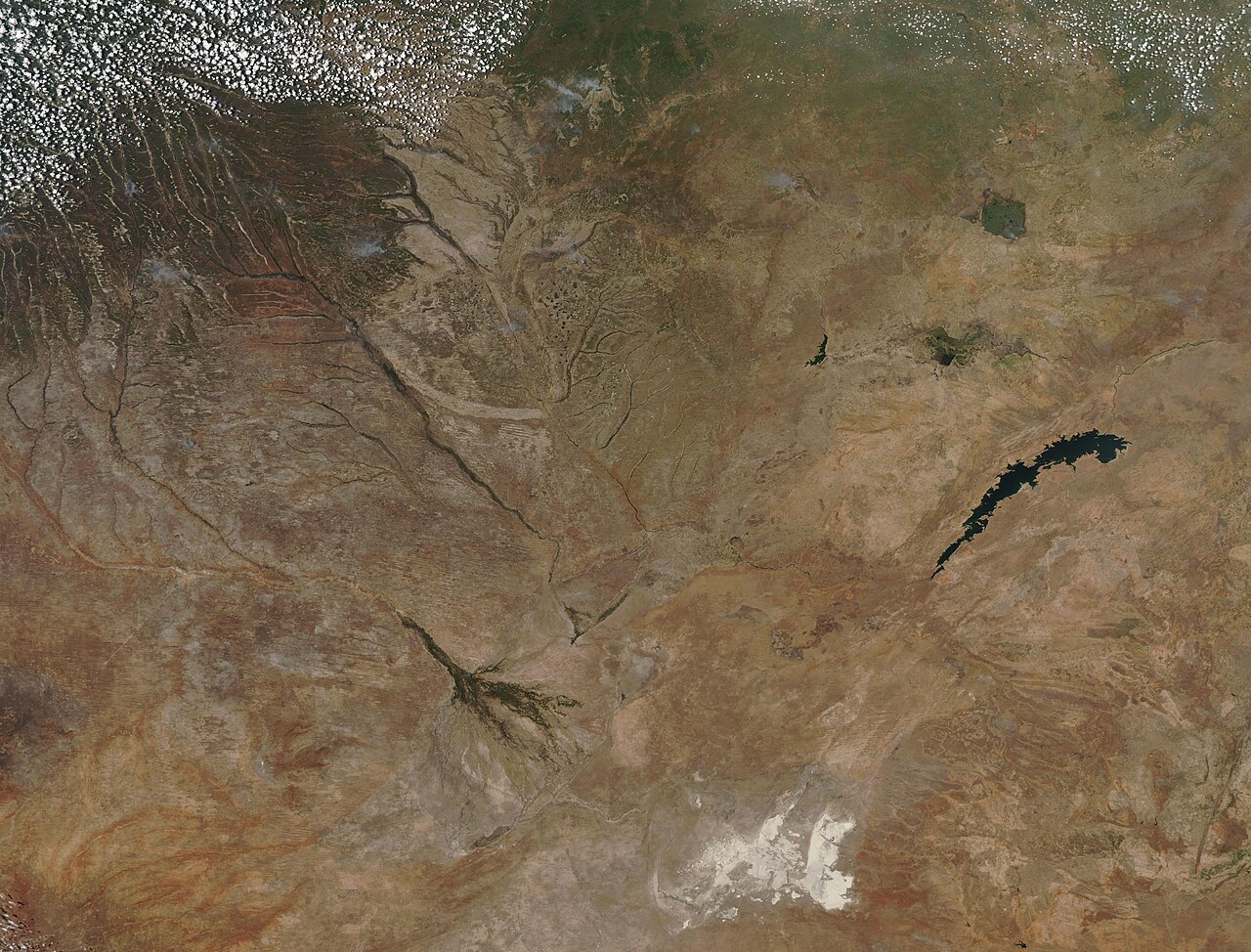
El Niño has pushed Southern Africa and the Central American Dry Corridor onto the list of hunger hotspots, the Food and Agriculture Organization of the United Nations (FAO) and the World Food Programme (WFP) said in Rome on 27 November. Their latest Hunger Hotspots report expects acute food insecurity in these places to worsen significantly between December 2026 and May 2027.
The report, issued twice a year through the Global Network Against Food Crises, names 16 hotspots, up from 13 in June. El Niño drives three of the four new entries: Southern Africa (Eswatini, Malawi, Mozambique, Zambia and Zimbabwe), the Central American Dry Corridor and northeastern Uganda. Chad joins because of spillover from the conflict in neighbouring Sudan, and Lebanon has left the list.
The agencies say El Niño is gaining strength and could prove one of the most intense on record. In Southern Africa, drier and hotter weather threatens planting, farm work and the next harvests. Up to 3 million people in Zimbabwe, 2.6 million in Malawi and 1.8 million in Mozambique are projected to face high levels of acute food insecurity through March 2027.
In the Dry Corridor, the 2026 Primera, the first crop season of the year, was the driest in four decades, and crop losses passed 75 percent in many areas. As food stocks run out, the 2027 lean season could start early. In Guatemala alone, 3.2 million people are projected to face high acute food insecurity between October 2026 and February 2027. A joint FAO-WFP El Niño anticipatory action plan aims to protect 9 million people in 22 countries before the worst effects reach harvests, livestock and incomes.
Conflict remains a primary driver in 12 of the 16 hotspots, including all five of highest concern: Sudan, South Sudan, Somalia, parts of Nigeria and Yemen. Under a reasonable worst-case scenario the report sees a risk of famine in 13 areas of North Darfur and South Kordofan in Sudan through January 2027, and acute malnutrition has already passed famine thresholds in two camps for displaced people in South Darfur. Funding for food and nutrition assistance in those five hotspots fell 62 percent, from $5.1 billion in 2022 to $2.0 billion in 2025. Afghanistan, the Democratic Republic of the Congo, Haiti and Palestine are listed as of very high concern.
“El Niño is intensifying, threatening crops and harvests in already vulnerable regions and increasing the risk of acute food insecurity,” said FAO Director-General QU Dongyu, adding that the worst outcomes are not inevitable and that agricultural assistance to help vulnerable families produce food is where FAO is focused. WFP Executive Director Luke J. Lindberg said the report shows where famine could strike next, and that acting on it is a question of whether world leaders have the political courage to do so.
Photo: MODIS Land Rapid Response Team, NASA GSFC / Wikimedia Commons (public domain)
Source: FAONewsRoom
Comments
(0)