
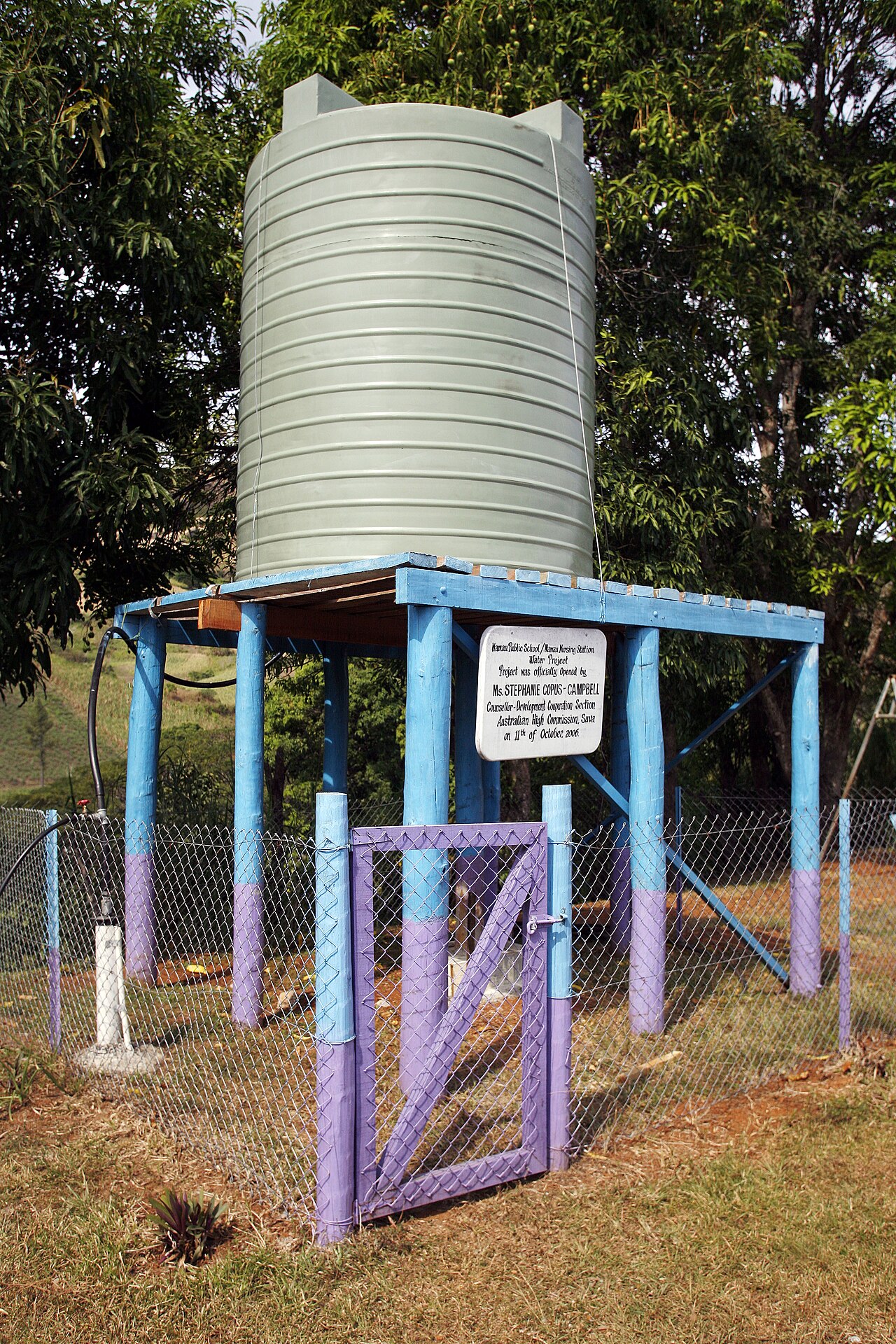
Fiji has declared a national disaster as a long, El Nino-driven drought leaves the Pacific island nation short of water. In an address to the nation on Wednesday, 18 November, Prime Minister Sitiveni Rabuka said the declaration was made to step up the government’s emergency response as the situation worsened, Ajker Patrika reports.
After a long dry spell, Rabuka said, families are worried about water for daily life and farmers about their crops and livestock, and water supplies in remote and island communities are under growing strain. The declaration lets the government put resources to work quickly and coordinate help for affected families and farmers.
Government funds will pay for emergency water supplies for families and farmers. The national disaster has been declared for one month at first, and the government may extend or withdraw it on the advice of the National Disaster Risk Management Council.
El Nino is a natural climate pattern in which sea-surface temperatures in the central and eastern Pacific rise unusually, bringing drought to some regions and heavy rain and floods to others. The US Climate Prediction Center said last week that El Nino is strengthening, with a more than 79 percent chance of a strong to very strong event between January and March.
Fiji’s meteorological service said in October that the country may get below-normal rainfall from November to April and above-normal daytime temperatures until January, which could deepen the water shortage.
Photo: Department of Foreign Affairs and Trade (AusAID) / Wikimedia Commons (CC BY 2.0)
Source: Ajker Patrika
Comments
(0)