
A three-year-old tigress moved from the Valmiki Tiger Reserve in Bihar to the Buxa Tiger Reserve in West Bengal has been hailed as a milestone for tiger conservation, but residents of 18 forest villages have staged a sit-in at the park's Rajabhatkhawa entry point over tourism restrictions imposed after her release, Mongabay India reports.
The translocation was a joint effort of the West Bengal Forest Department and the National Tiger Conservation Authority (NTCA). The tigress was soft-released into an enclosure on 2 October and walked into the wild two days later. Buxa, declared a tiger reserve in 1983, recorded no tigers in the 2018 national estimate, and none were seen until a single male showed up on camera traps in late 2021. West Bengal's Chief Wildlife Warden Pradeep Vyas blamed decades of disturbance in the park and poaching of the tigers' prey; as a condition of the NTCA's approval, sambar deer were brought from Jaldapara and bred in captivity before release.
The forest department restricted tourism, at first from 30 September to 3 October and then for longer. Deputy Field Director P.J. Harikrishnan said this is standard protocol: the tigress is radio-collared and is being given an undisturbed habitat so that she settles in and does not stray outside the forest.
Ayan Naidu of the Maha Gram Sabha Joutha Sangram Committee, which is leading the protest, said villagers welcomed the tiger's return but that tourism is the only work available in places such as his village, Jayanti, where the terrain rules out farming; he said the curbs affect more than 10,000 people. October is the earning season, he said, and homestay bookings were cancelled and advances refunded. Protester Kurbaan Khan said the villagers also want a toll gate removed, the Forest Rights Act of 2006 implemented and forest settlements declared revenue villages.
The reserve covers 760.87 sq km in Alipurduar district and connects with forests in Bhutan, with Manas in Assam and with Jaldapara. More tigers are expected to be released in the coming months, though officials gave no details. India has used tiger translocation with success in Sariska and Panna, and it failed in Odisha's Satkosia.
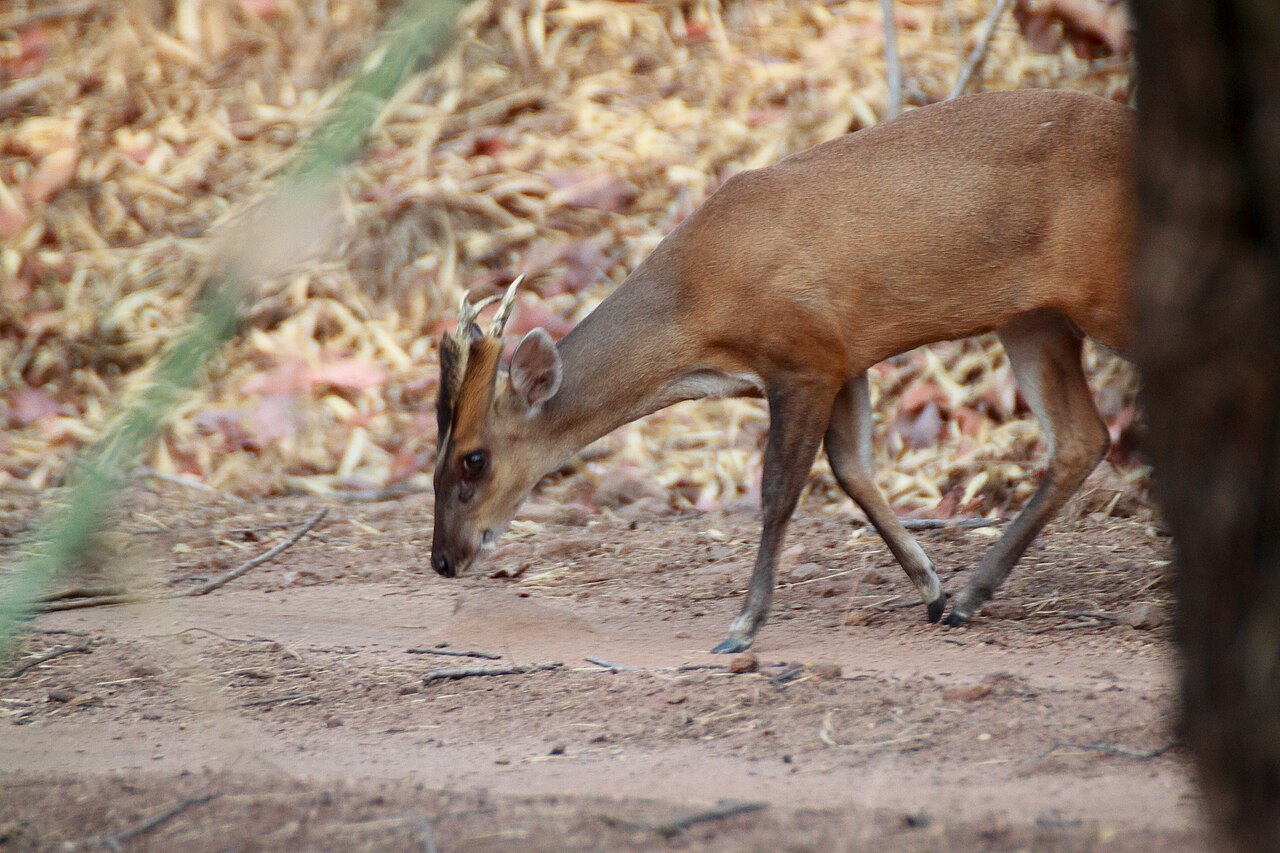
Photo: Charles J. Sharp / Wikimedia Commons (CC BY-SA 4.0). A tigress in Kanha National Park, a representative image.
Source: Mongabay India

Comments
(0)