
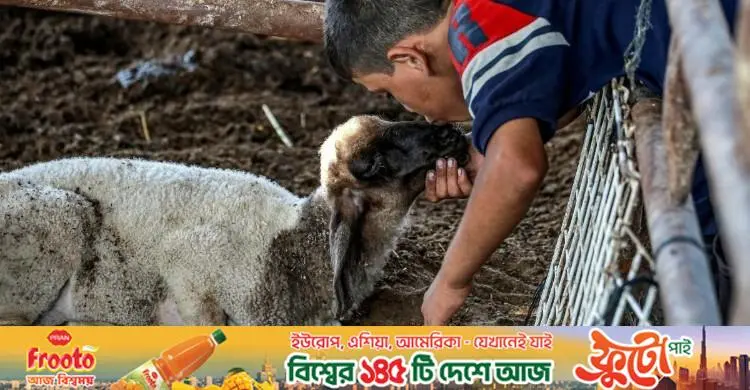
Eid-ul-Azha is one of the biggest religious festivals of Muslims and is also called the Eid of sacrifice. It is celebrated every year on the 10th of Zilhaj in the Arabic calendar, when a section of the Muslim community sacrifices animals to please Allah.
On Eid day, after the Fajr prayer, they go to the Eidgah to pray in congregation and then sacrifice certain animals for the Creator according to their financial means.
The festival varies somewhat by country and culture, and for various reasons the customary sacrificial animal also differs from country to country. Muslims in some regions prefer cows or goats, while elsewhere sheep, buffaloes or camels are the favoured animals.
Below is a look at the customs and preferred animals in some Muslim-majority countries, or countries with large Muslim populations, in Asia, the Middle East, Africa and even Europe. The report draws on BBC Bangla.
Saudi Arabia and the UAE
A large share of the world's Muslims live in the Middle East, and Saudi Arabia comes first among its Muslim-majority countries. Hajj, one of the five pillars of Islam, is essentially the largest religious gathering of Muslims, and it must be performed in Saudi Arabia.
That is why millions of Muslim men and women gather in Mecca every year for Hajj. Because sacrifice is obligatory on the last day of Hajj, more animals are sacrificed in Saudi Arabia than in other countries.
Although the camel is the best-known animal of the Middle East, dumbas, sheep, cows and goats are also sacrificed there. According to data from the international statistics firm Statista, camel and cow prices rise in Saudi Arabia during Hajj and are at least several times lower at other times of the year.
The picture is much the same in the United Arab Emirates, where imported cows and goats are preferred for sacrifice. Some elite families sacrifice camels, but their number is quite small. Most sacrifices are carried out at designated places, though people may also sacrifice on their own premises.
Pakistan
In numbers, 240 million Muslims live in Pakistan. According to the online population database World Population Review (WPR), more than 98 percent of the country's population is Muslim.
Cows and goats are preferred for sacrifice there. Saudi-based newspaper Arab News, citing the Pakistan Tanners Association, reported that more than six million animals were sacrificed in the country in 2023, most of them goats, followed by cows. Some also sacrifice buffaloes, dumbas, sheep and camels, but in negligible numbers. Because dumba meat is fatty, sacrificing dumbas is more common in colder regions. Black-headed sheep are quite popular for sacrifice in some parts of the country.
Specific places are allotted for sacrifice, but by tradition most sacrifices are carried out on the street in front of the house, following Islamic rules.
India
In Bangladesh's neighbour India, Muslims are a minority, but according to WPR, 14 percent of the population, or 200 million people, are Muslim. There are restrictions on sacrifice in this vast country, because the majority are Hindu and cow slaughter is strictly forbidden in Hinduism.
Indian Muslims therefore mainly prefer goats and buffaloes. Some sacrifice cows, but camels are very rarely sacrificed. Cows cannot be sacrificed everywhere: cow slaughter is legal in some states, namely Arunachal, Goa, Kerala, Meghalaya, Mizoram, Nagaland, Tripura, Dadra, Nagar Haveli, Daman, Diu and Puducherry. The report notes that only Kerala and West Bengal have significant numbers of Muslims, and that cow slaughter is illegal everywhere else in the country.
According to a BBC correspondent, "If someone sacrifices a cow, there are severe penalties. Some states provide for jail terms from seven years to life. For example, in Gujarat, Maharashtra, Madhya Pradesh and Rajasthan cow sacrifice is completely illegal."
In some states such as Nagaland, cows can be slaughtered even though they are not Muslim-majority, because most people in those eastern areas are Christian and Christians traditionally eat beef, so the Indian government does not interfere there.
Cow slaughter in India was not always so tightly restricted. Even 10 to 15 years ago, cows, especially old cows, could be slaughtered in some provinces. But since the Bharatiya Janata Party (BJP) took power, it has effectively stopped.
People now buy more goats and buffaloes for sacrifice. Residents of Bihar, Rajasthan, Delhi, Maharashtra and Gujarat, for example, mainly sacrifice goats.
Those who are financially weaker tend to buy buffaloes rather than goats, because a buffalo is cheaper by comparison and seven people can share its sacrifice, while a goat can have only one sharer.
Since the BJP came to power, private militia-like groups called "cow protection forces" have emerged in places such as Haryana and Rajasthan. If anyone transports cows, or even buffaloes, by truck, they chase them, beat them, loot and even kill them. As a result, transporters are afraid to move cows, buffaloes or goats from one place to another.
During its rule the BJP government has also closed slaughterhouses in many parts of India in the name of the environment, and people there are forced to eat only chicken.
Indonesia
According to WPR, about 235 million people in Indonesia are Muslim. As in many Asian countries, cows and goats are the most commonly sacrificed animals there.
Indonesian citizen Betty Harlina said: "We don't have camels or sheep in our country, so cows and goats are more common here. We ourselves will sacrifice a cow this time."
How the meat is distributed in Indonesia varies by area. In some areas a large share of the sacrificial animal is set aside for close relatives, while in others sharing with neighbours and the very poor is given priority.
Turkey
According to the Turkish government, 99 percent of the country's people follow Islam, so naturally many people there sacrifice animals every year according to religious custom. Eid-ul-Azha is called "Kurban Bayrami" there.
Muslims in Turkey usually sacrifice cows, goats and sheep. For convenience, they prefer to do so at slaughterhouses rather than at home.
They divide the meat into three equal parts: one for themselves, one for relatives, friends and neighbours, and one for the poor and needy.
Some charities in the country work together to make sure sacrificial meat reaches every poor family. Many people give their meat to these charities for distribution among the poor, and the charities distribute meat not only at home but also in many countries around the world.
Nigeria
A large part of the world's Muslim population lives in Africa, and most people in Nigeria are Muslim. Sheep are the most popular sacrificial animal there.
Nigerian citizen Aisha Umar said: "Most people in our country sacrifice sheep at Eid. Although I know people who use cows and even camels, especially in the northern states of Zamfara or Borno. But sheep are the most common."
In Nigeria, Eid-ul-Azha is called "Eid-ul-Kabir". Muslims there also put on new clothes in the morning and go to the Eidgah to pray, and then sacrifice sheep, goats, cows or camels according to their means. They too divide the meat into three parts and distribute it according to the rules. After the sacrifice, they cook traditional dishes such as jollof rice with the meat and eat together.
Bangladesh
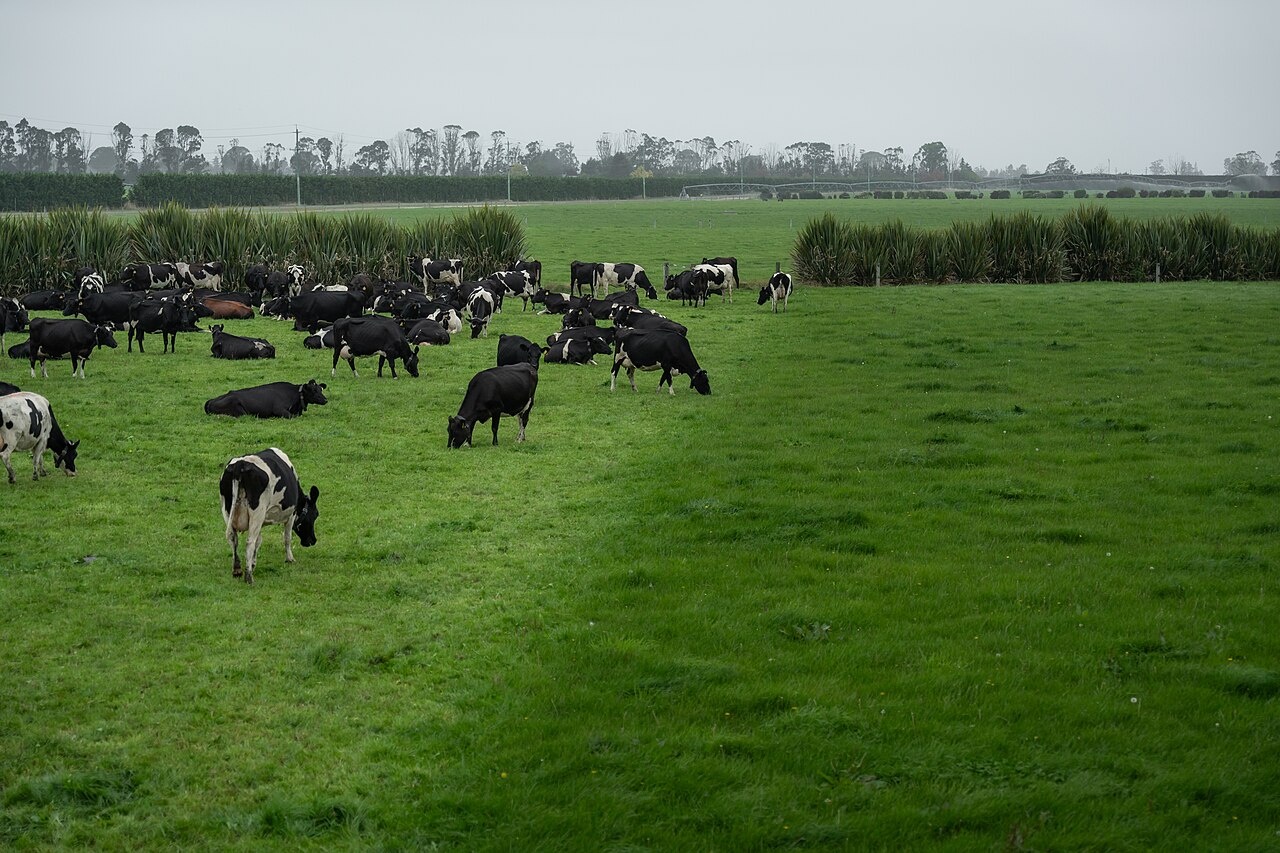
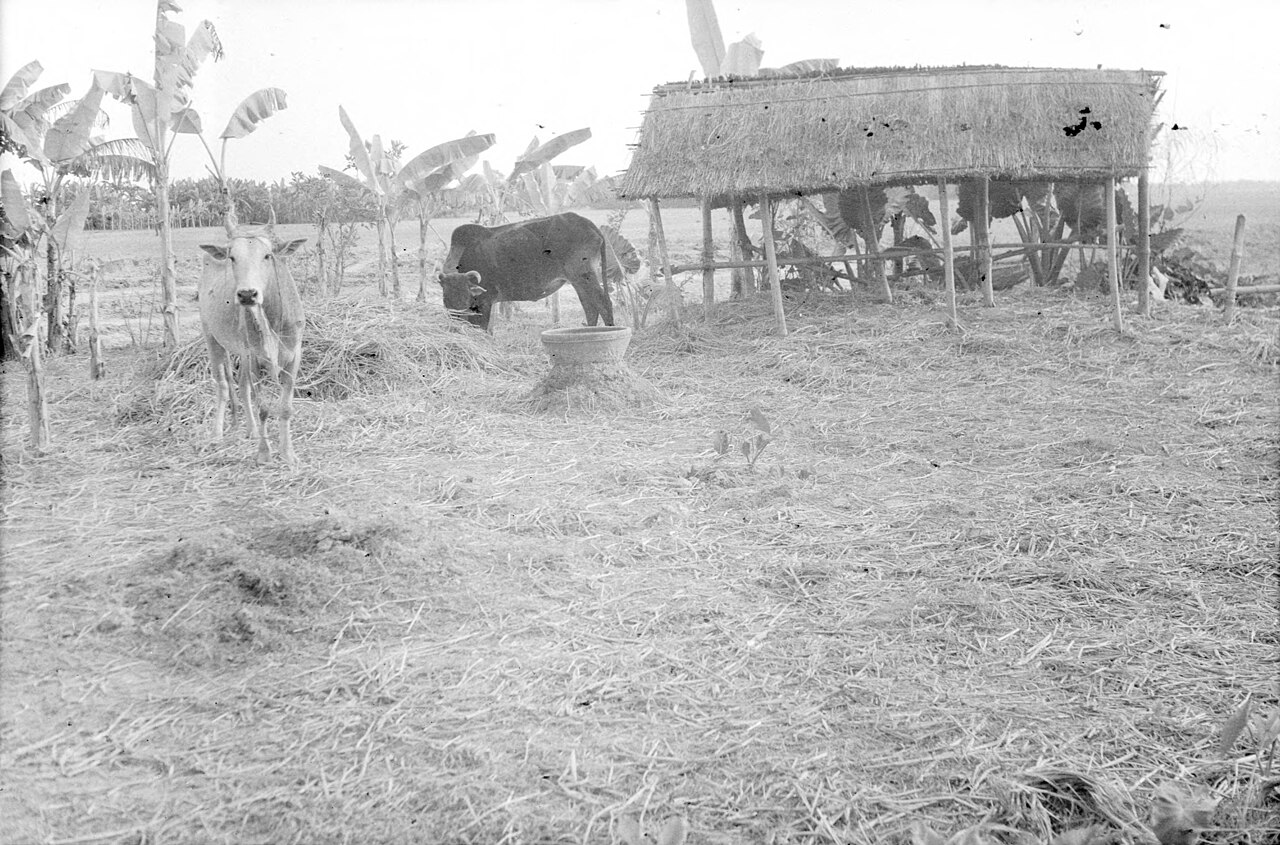
More than 90 percent of Bangladesh's population is Muslim. Cows are the most preferred sacrificial animal, followed by goats. Many also sacrifice buffaloes, but the rate of sacrificing camels or sheep is very low.
Designated places are allotted for sacrifice in urban areas every year, but in most cases people sacrifice on the road in front of their houses or in their courtyards.
Bangladesh has a certain tradition around the sacrifice: sellers give their animals fancy names, and these names become talking points. Cows were usually named after their colour; a red cow, for instance, might be called Lalu, Lali or Laltu.
Now sellers name cows Nawab, Bahadur, Samrat and so on, and some name them after Bangladeshi film stars such as Shakib Khan or Zayed Khan. This year a pink buffalo named after US President Donald Trump became known around the world.
In Bangladesh too, the sacrificial meat is divided into three parts according to religious custom.
Source: Jagonews24. First published in Bengali on The Agro News.

Comments
(0)