
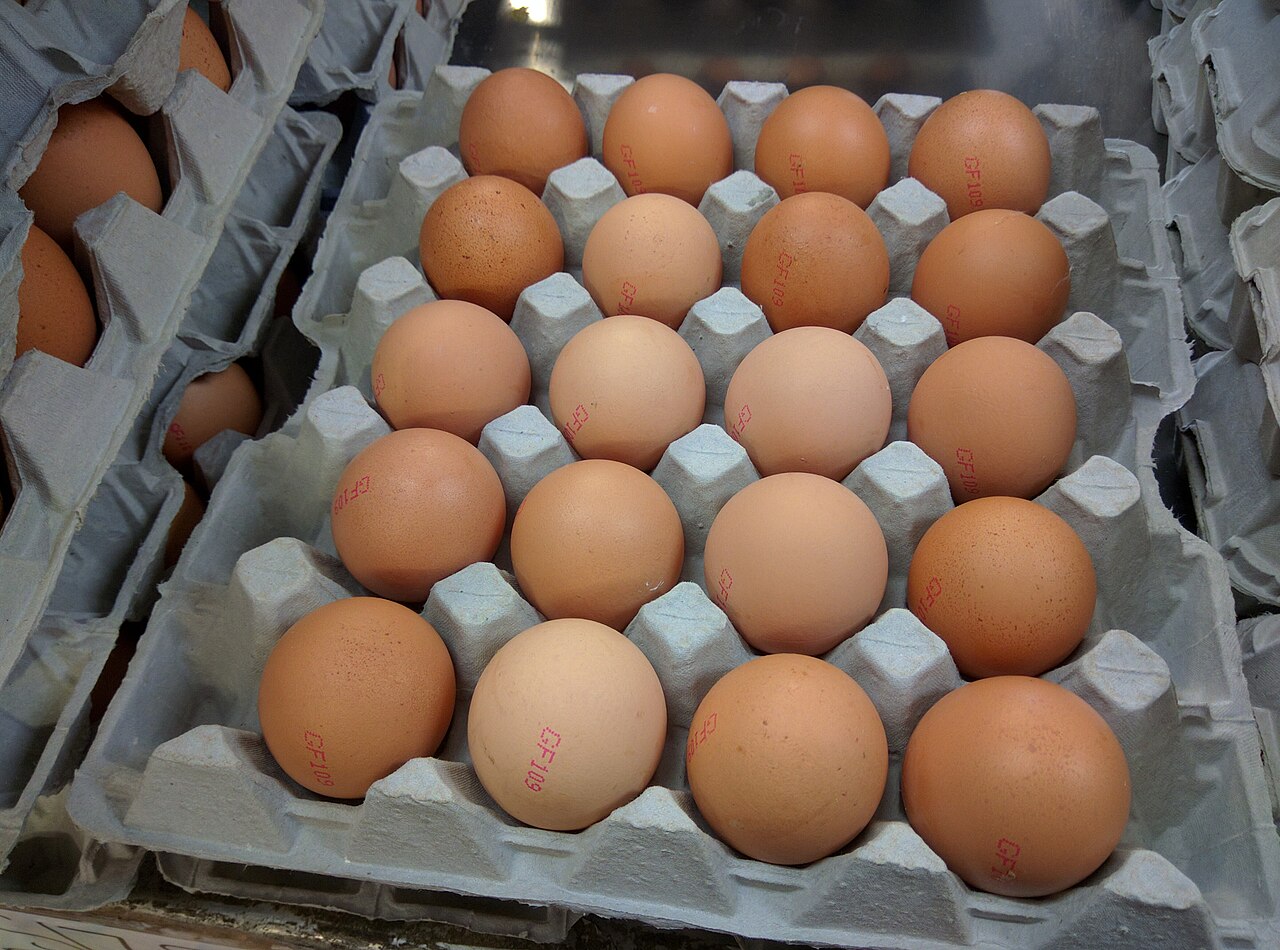
For four straight months, marginal poultry farmers across Bangladesh had been unable to recover even the cost of their chickens' feed from the sale of eggs, farmers and industry representatives said in March 2026. They said it cost about Tk 9.5 to Tk 10 to produce a single egg, while they were being forced to sell at only Tk 6.5 to Tk 7, leaving a loss of two to three taka on every egg, a widening gap that had pushed many small farms to the edge of closure.
Long stretches of loss, mounting debt and unpaid electricity bills had led many farmers to think of shutting down, and production had already stopped on some farms. Farmers warned that if the situation continued, small and marginal farms would close one after another. That, they said, could create an artificial shortage of eggs in the market and, in the end, hurt the very consumers who would then have to pay more: the cheap eggs of today could become dear eggs tomorrow if the farms that produce them disappear.
Selling below cost for four months
Khandaker Jahangir Alam, a farmer in the Tangail area, told Jagonews24 that on the Monday before the report he had sold eggs at Tk 6.5 each, even though each egg had cost him Tk 9.5 to produce. "I have been selling eggs at a loss for four months," he said. "I no longer have the strength to bear these losses." The daily shortfall, he said, had piled up until it became impossible to manage.
The farmers said many of their neighbours had gone bankrupt and closed their farms because they could not get a fair price. Some had left the country to work abroad, while others had quietly moved away from their home villages for fear of the debts they had piled up. Abu Hanif, another farmer, said a large number had already given up the trade. "Some have gone abroad, some are on the run because of their debts," he said. "If things carry on like this, we will meet the same fate."
Selling below cost is especially damaging in egg farming because the product cannot be stored for long and has to be sold almost every day, whatever the price on offer. The hens, meanwhile, eat the same amount of feed each day regardless of what their eggs fetch, so every day of low prices adds directly to a farm's losses rather than simply reducing its profit. As the losses eat into their capital, small farmers are left without the money to buy the next batch of chicks or even the daily feed, and once production stops it is far harder to start again.
Tangail, the country's 'egg capital'
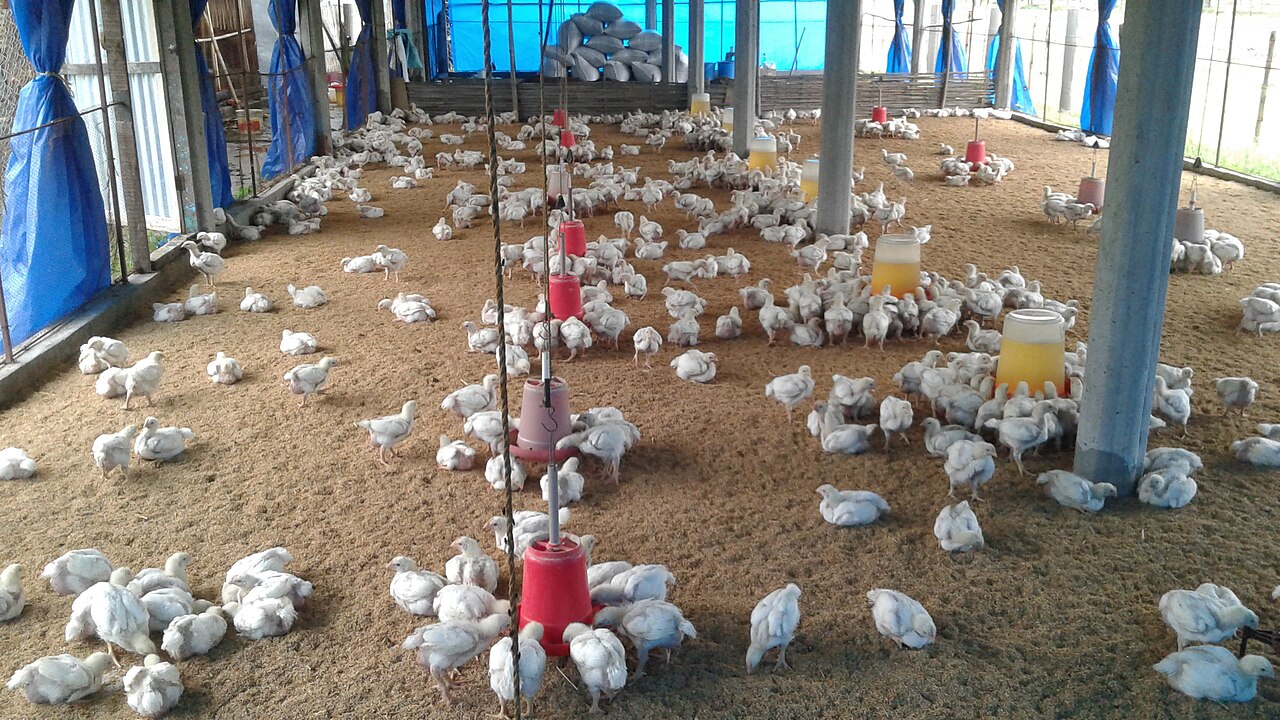
Tangail, a district in the Dhaka division of central Bangladesh, is widely known as the country's 'egg capital' because of the dense cluster of layer farms in its villages. According to the report, a few years earlier village after village there had buzzed with the sound of chickens and the activity of busy farmers, and the farms had created work for thousands of people in the surrounding area. Beyond the farms themselves, the supply of feed, medicine and chicks, transport and the egg trade had all supported local livelihoods.
By the time of the report in March 2026, many of those farms had closed partly or fully. Those still running were doing so under heavy strain, and farmers described their situation as suffocating. The decline of such a well-known farming hub, industry representatives said, was a warning sign for the rest of the country, where thousands of similar small farms operate on thin margins.
A Tk 50,000 crore industry under strain
People in the sector put the value of Bangladesh's poultry industry at about Tk 50,000 crore. They said long-standing market mismanagement, a syndicate of egg traders and weak policy had together pushed the industry into a serious crisis. If marginal farmers were forced out, they feared, the whole industry could come under the control of a few large corporations.
The industry had grown quickly over the preceding decades. By 2017, according to published accounts of the sector, an estimated 150,000 poultry farms were operating across the country, with total investment put at around Tk 30,000 crore. Broiler chickens became the main source of poultry meat and layer hens the main source of eggs, and the spread of small farms allowed people to buy eggs and chicken relatively cheaply.
Commercial poultry farming in the country is a relatively young industry. It was pioneered by farms such as Aftab Bahumukhi Farms, developed by figures including the late Syed Hedayetullah and Phanindra Nath Saha, and it expanded rapidly from the 1980s onwards as hatcheries, feed mills and thousands of small growers spread across the countryside. By 2017 large international poultry shows and seminars were being held in Dhaka, a measure of how far the sector had come.
Eggs are among the cheapest sources of animal protein available to Bangladeshi households, and the growth of layer farming had made them a daily food for millions. Industry representatives argued that this affordability rested on the willingness of small farmers to work on thin margins, and that squeezing those farmers out would eventually raise prices for the very consumers who had benefited from them.
Mosharraf Hossain Chowdhury, president of the Bangladesh Poultry Industries Association (BPIA), told Jagonews24 that for more than two decades it had been the hard work of marginal farmers that allowed ordinary people to eat eggs and chicken at relatively low prices, yet those same farmers were now in the deepest trouble. He said that if they dropped out, the industry would become concentrated in the hands of a few corporate companies, and consumers would then have to buy eggs and chicken at whatever prices those companies set.
Why farmers are price-takers
Marginal farmers have little control over the price they receive. Eggs usually pass from the farm through a chain of collectors, wholesalers and depot owners before reaching the retail shelf, and at each step the farmer, who cannot store a perishable product, is in the weakest bargaining position. Industry representatives blamed a syndicate of egg traders and long-standing market mismanagement for keeping farm-gate prices low even when retail prices did not fall as far.
It was to break this dependence that the industry asked for separate sales points for marginal farmers in markets and wholesale depots, so that small producers could sell closer to the consumer rather than through middlemen. Without such changes, farmers said, a fall in demand or a glut of eggs is passed straight back to the smallest and least powerful producers rather than being shared along the chain.
Feed, the biggest cost
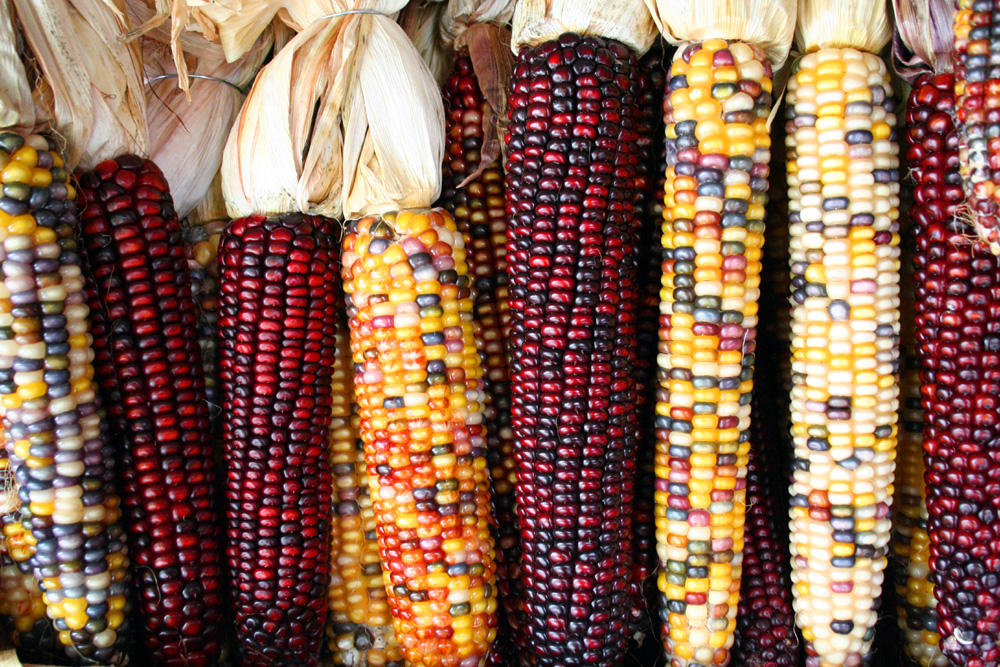
The single largest cost in producing an egg is feed, which farmers and feed millers say makes up the bulk of their expenses. Commercial poultry feed in Bangladesh is built mainly around maize and soybean meal, a large share of which is imported. When the prices of these ingredients rise, the cost of producing each egg rises with them, and a farmer selling below cost has little room to cut back without starving the flock and cutting egg output further.
Maize has become one of the country's most important feed grains. It is grown in both the kharif and rabi seasons, with Dinajpur, Rajshahi, Rangamati and Bandarban among the main producing districts, and it is used widely as animal feed as well as in food and industry. Even so, domestic maize and soybean production does not meet the demand of the feed mills, so the industry depends heavily on imports.
Because the ingredients are largely imported, their cost in taka depends not only on world prices but also on the exchange rate and on freight and port charges. When any of these rose, feed prices followed, and feed makes up such a large part of the cost of an egg that farmers had almost no cushion left once the selling price slipped below the cost of production.
How egg and poultry output grew
Official figures show how far the sector has come. According to the Department of Livestock Services (DLS) and its Livestock Economy at a Glance, national egg production rose from about 1,191 crore in 2015-16 to 2,058 crore in 2020-21, 2,335 crore in 2021-22, 2,338 crore in 2022-23 and about 2,375 crore in 2023-24. Over the same period the chicken population climbed to about 3,278 lakh, close to 328 million birds, and total poultry including ducks to about 3,960 lakh.
Egg availability per person had risen to roughly 137 a year, above the DLS standard demand of 104 eggs per person a year, meaning the country was producing more eggs than its own basic requirement. Livestock as a whole contributed about 1.81 per cent of gross domestic product and 16.54 per cent of agricultural GDP, and the department estimated that the sector gave full-time work to about a fifth of the population and part-time work to about half.
Even with this growth, nutritionists and the FAO have long held that per-person consumption of eggs and meat in Bangladesh remains modest by international standards, so there is room for demand to rise as incomes grow. Eggs are a compact and inexpensive source of protein, and public campaigns have encouraged families to eat them regularly; the collapse in farm-gate prices in early 2026 therefore sat oddly beside a country that could still make good use of more eggs.
Chickens are not the only poultry kept in the country. Ducks numbered about 683 lakh in 2023-24, and households also raise geese, pigeons and, increasingly, quail and turkey. Much of this smaller-scale rearing, along with many marginal layer units, is run by women and young people for whom it is a first step into business, which is part of why the loss of marginal farms worries policymakers beyond the question of egg supply alone.
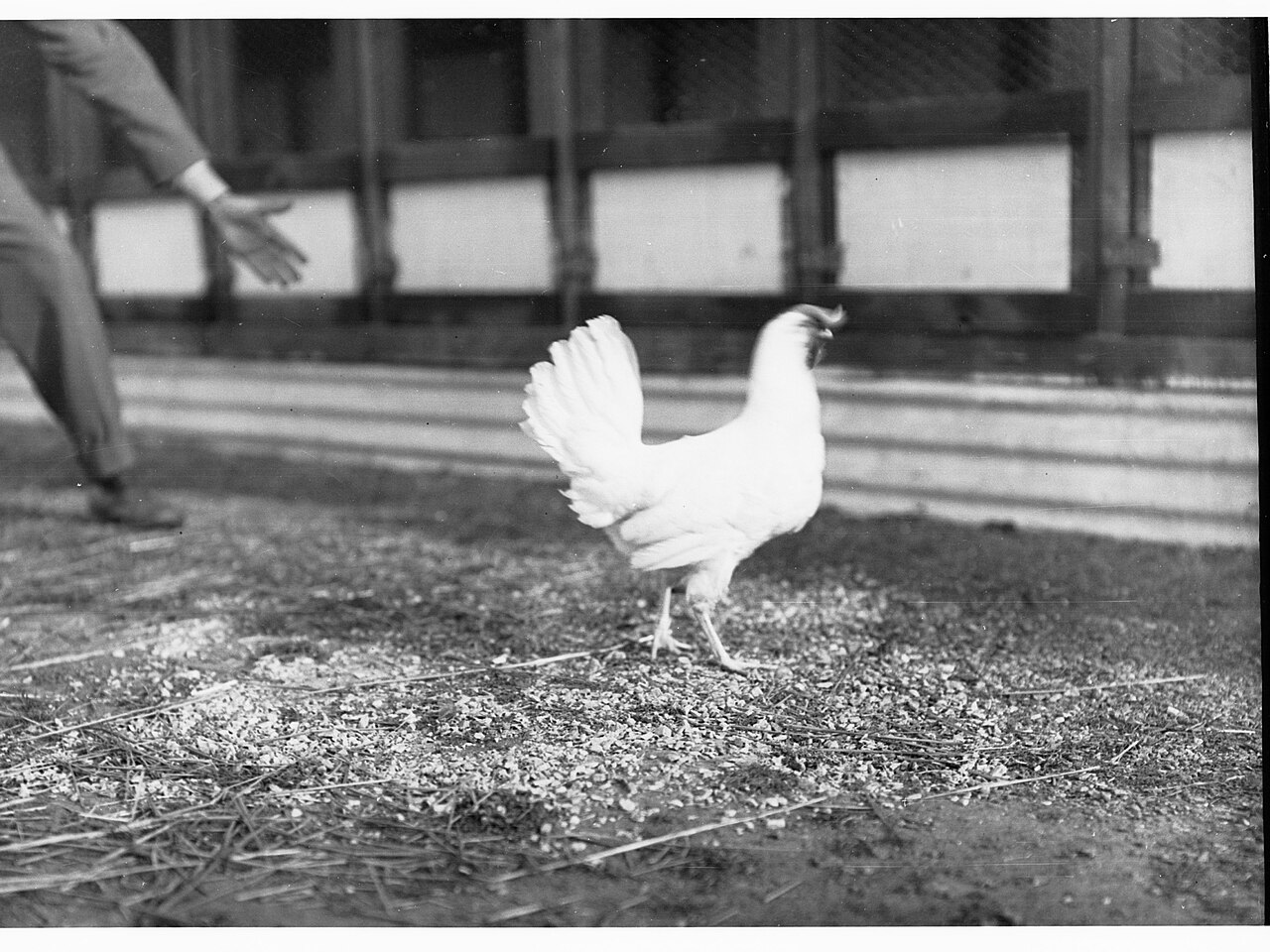
The birds behind these numbers are mostly improved layer breeds. The White Leghorn, the most popular laying breed in Bangladesh, can lay close to 230 eggs a year, while other improved breeds raised in the country include the Rhode Island Red and the Plymouth Rock. It is the steady laying of millions of such hens on small and marginal farms that built the egg supply now at risk.
A sector used to shocks
Poultry farming in Bangladesh has weathered repeated shocks. In rural areas, Newcastle disease has long been described as the principal cause of death among fowl, sharply reducing both the number and the quality of eggs from laying hens, while coccidiosis is another economically important disease. In 2007 an outbreak of avian influenza led to the closure of about two-thirds of the country's farms, a blow from which the industry took years to recover.
To guard against such losses, farmers vaccinate their flocks and follow biosecurity measures, but on small farms with thin margins the cost of vaccines, veterinary care and clean housing is itself a burden. A sustained price crisis makes it harder to keep up these basic protections, so the pressure comes from both disease and the market at once.
Against that history, farmers said the price crisis of early 2026 was a different kind of threat, one driven not by disease but by the market itself. A farm can be rebuilt after a disease outbreak, they argued, but a farmer who sells below cost for months loses the capital needed to start again, and may leave the trade for good.
What the industry is asking for
The BPIA president called on the government to give poultry farmers priority in the distribution of farmer cards, and to stand by marginal farmers with loans, subsidies and better market management. He asked for a separate market policy for marginal producers, with no tax or value added tax on their sales, while a different tax could be levied on large corporate farms so that small farmers could stay in the competition.
He also demanded electricity subsidies, easy-term loans and the full range of government benefits, along with separate sales points for marginal farmers in markets and wholesale depots so that they would not be at the mercy of middlemen. Government support, he said, was needed in all of these areas if small farms were to survive.
What the government says
Dr A B M Khaleduzzaman, a director of the Department of Livestock Services, said the number of poultry farms in the country had fallen compared with earlier years. But he added that there were still no precise statistics for the sector, and no accurate figures for how many poultry farms existed or how many people they employed. He said a recently approved poultry development policy was expected to help protect the sector.
Photo: Maksym Kozlenko / Wikimedia Commons (CC BY-SA 4.0)
Sources: Jagonews24; Department of Livestock Services, Livestock Economy at a Glance 2024-25; Banglapedia; Poultry farming in Bangladesh (Wikipedia).
Comments
(0)