
The Netherlands, a country built on draining water away, is now learning to hold on to it, its Vice Minister for Infrastructure and Water Management, Jaap Slootmaker, told Down To Earth in an interview published on 5 October. "There is no single solution. It is a combination of measures," he said of drought.
India and the Netherlands signed memoranda of understanding on water management in September 2026, with a particular focus on technical cooperation for Gujarat's Kalpasar Project, which plans a freshwater reservoir fed by runoff from the Sabarmati, Mahi and Dhadhar rivers and water carried from the Narmada. Ministers met in New Delhi during the 9th India International Water Week.
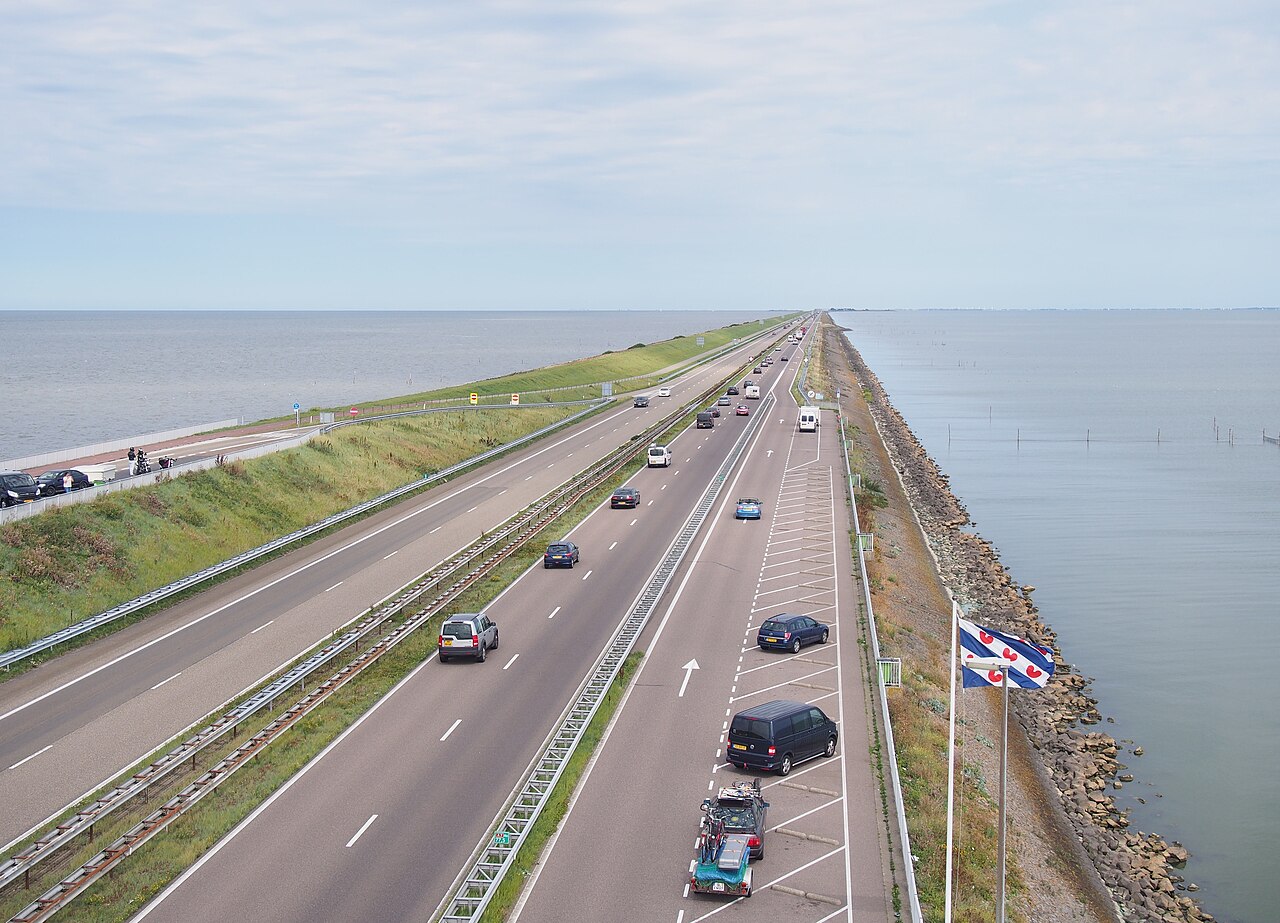
Slootmaker compared Kalpasar with the Afsluitdijk, the 32-kilometre dyke opened in 1932 after the 1916 floods, which closed off part of the sea and created a freshwater lake behind it. The Dutch now know far more about its effects on water quality, sedimentation, fish migration and local communities, he said, and that experience is being shared for the decisions on Kalpasar. Around 25% of the Netherlands lies below sea level and another 16 to 17% is reclaimed land.
The summer of 2026 was record-breaking for dryness, he said, though not the first: after a very dry 2018 the country began a drought programme. Small rivers once straightened to carry water away fast are having their natural meanders restored so that water infiltrates the soil; the level of the IJsselmeer, the largest lake, has been raised to store more freshwater; water boards restrict groundwater abstraction in dry periods; and sluices are operated more precisely to lose less freshwater.
European countries share drought data and early warnings and are developing common approaches to low flows and to sharing water between drinking water, agriculture, industry and ecosystems; on the Rhine they work through the International Commission for the Protection of the Rhine. Slootmaker said summers like this one could become normal within years or decades.
He said the Netherlands could learn from India's experience with watershed management, rainwater harvesting and groundwater recharge, and that drought may become a topic of the renewed Strategic Water Partnership, expected to be finalised in March next year. He also described a six-month demonstration of hollow-fibre nanofiltration at Delhi's Okhla wastewater plant, under the India-Netherlands Centre of Excellence on Water.
Photo: C messier / Wikimedia Commons (CC BY-SA 4.0)
Source: Down To Earth

Comments
(0)