
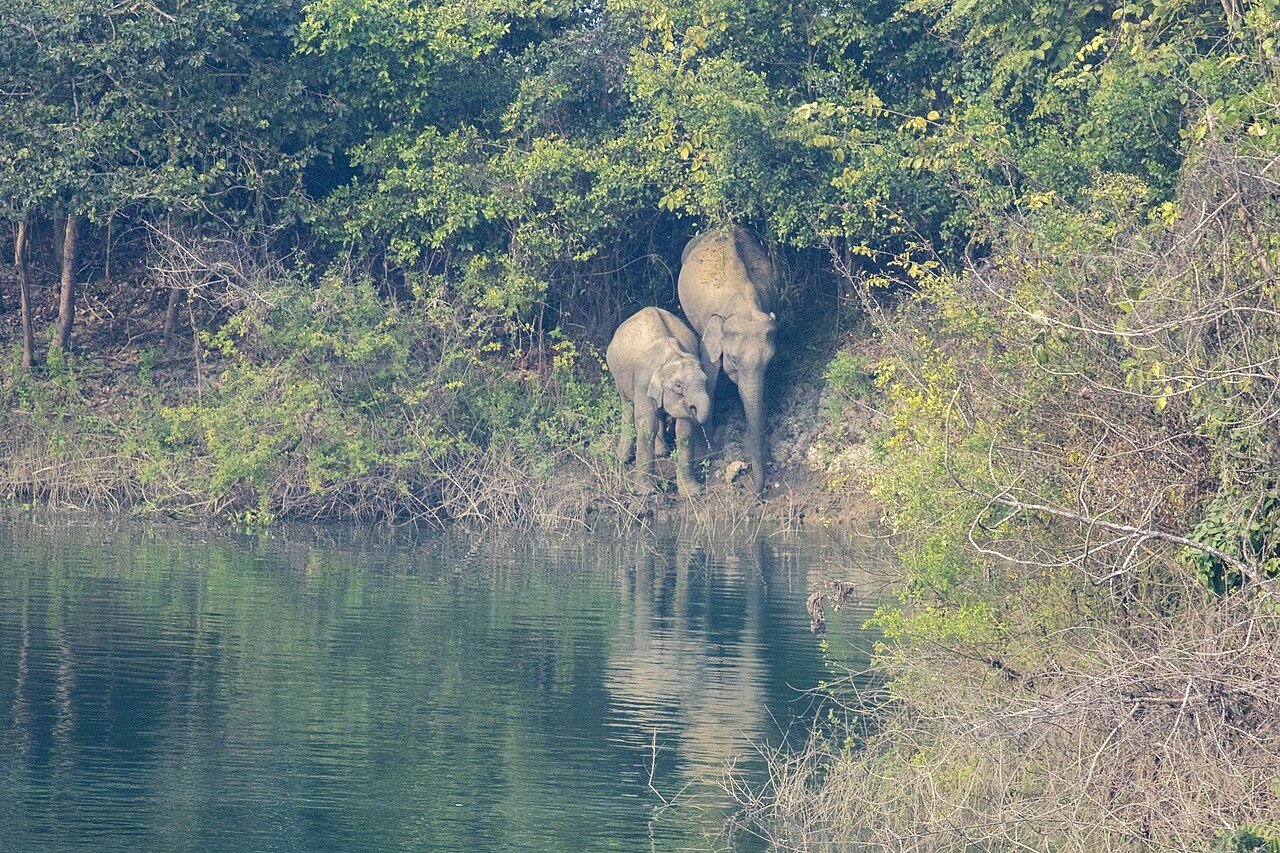
At least 123 elephants have died in Bangladesh in the past 11 years, most of them electrocuted by electric fences that farmers put around their fields to keep wild animals off their crops, said A S M Zahir Uddin, conservator of forests for the Forest Department's central region. He gave the figures on Friday at the end of a three-day awareness seminar on elephant conservation at Nayabazar in Juri upazila, Moulvibazar.
The deaths recorded from 2015-16 to 2025-26 peaked at 21 in 2019-20, he said. About 450 elephants now live in the Chattogram, Mymensingh and Sylhet regions. Shrinking habitat and growing conflict between people and elephants threaten the endangered animal, he said, and it will be hard to protect without joint effort and a more humane approach.
The seminar heard that the government has taken up a three-year elephant conservation project for 2025 to 2028. It aims to protect habitat, secure safe breeding grounds and food, identify the causes of human-elephant conflict, keep elephant numbers stable and reduce deaths.
Md Abul Kalam, divisional forest officer of the wildlife management and nature conservation division in Moulvibazar, said the area has 29 captive elephants and three in the wild, all three of them females. They move between the reserved forest of the Patharia hills in Juri and Barlekha and the forests of Assam in India, and one has been ill for some time.
Local people called for an elephant sanctuary in the Harargaj reserved forest. Forest officials said a proposal to release a male elephant into the Lathitila reserved forest to help numbers was examined by a committee but not approved. A sanctuary at Harargaj is under consideration, subject to a check of the site's suitability, and a sanctuary is being planned in Cox's Bazar. Local representatives, police, fire service, agriculture and forest officials, forest-dependent communities, timber traders, environmentalists and journalists attended.
Photo: AKM Emdadul Islam Bitu / Wikimedia Commons (CC BY-SA 4.0)
Source: The Daily Star




Comments
(0)