
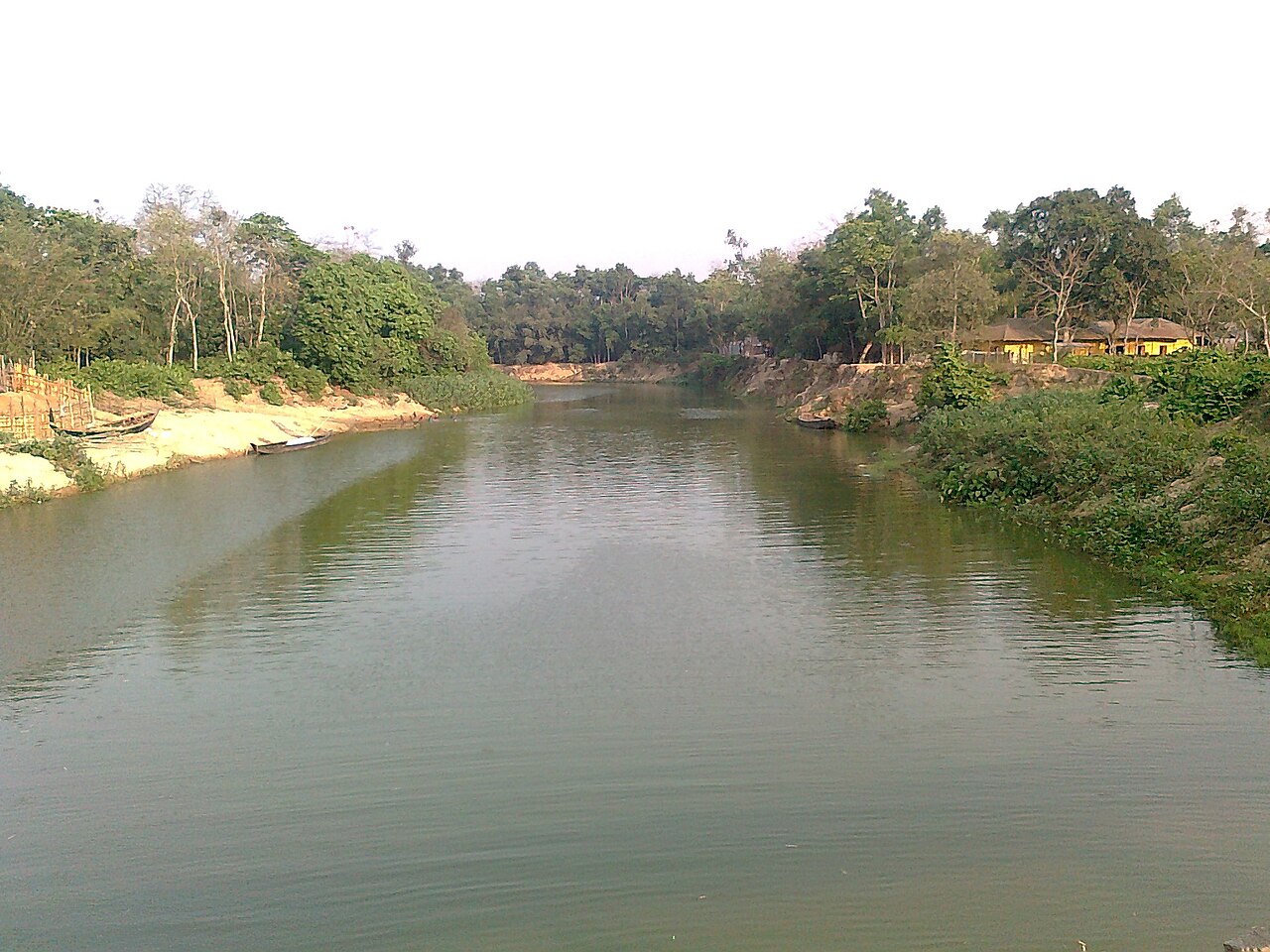
Bangladesh has sent a dossier to the programme committee of UNESCO's Man and the Biosphere (MAB) programme asking for the Halda river, South Asia's largest natural breeding ground for carp and the only one in Bangladesh, to be declared a biosphere reserve. The aim is to combine the conservation of biodiversity across 2,709 hectares of the Halda with sustainable development, writes Md Nizam Uddin Lovelu, a journalist and president of the Halda River Source Conservation Committee, in a piece in Samakal.
MAB, launched in 1971, is a UNESCO programme that seeks to reconcile people and nature, conserve biodiversity and improve the sustainable management of areas through research and monitoring. In the writer's view, the recognition would open the way to international research support for the river's ecosystem and make the Halda a centre for research and environmental education, which would also serve the country's fisheries science.
A study by the non-governmental organisation Effective Creation on Human Opinion (ECHO), carried out from September 2025 to October this year and cited in the piece, identified 1,029 plant species along the Halda, 765 native and 244 foreign. Twenty-three are endangered, another 100 are heading that way, and 729 have been recorded for the first time. The team was led by Professor Mohammad Omar Faruk of the botany department of the University of Chittagong. Keora trees found from the Karnaphuli estuary at Madunaghat up to Nangalmora in Hathazari point to rising salinity upstream, the study says.
The researchers identified 57 sources of pollution, 29 of them polluting the river's water directly; most lie between Madunaghat and the Nazirhat bridge, while sand extraction was seen mostly from Fatikchhari to Joggachhola in Manikchhari. They also flag the planting of foreign trees such as eucalyptus, acacia and teak on the hills along both banks as harmful to local biodiversity.
ECHO makes 13 recommendations, among them protecting endangered plants, planting native species on the banks, regular monitoring of water quality, encouraging and training farmers on both banks in organic farming, moving dredged soil away from the banks, removing encroachments, stopping plastic and waste dumping, and treating industrial and sewage waste before discharge. On 5 November 2025 the government, for the second time, declared about 94 kilometres of the Halda, from its source at Ramgarh to its confluence with the Karnaphuli at Mohra, a fisheries heritage area with 16 restrictions. The writer argues that the risks the study identified now need quick action, along with the recommendations.
Writer: Md Nizam Uddin Lovelu, journalist and president, Halda River Source Conservation Committee. The views are the writer's own.
Photo: Syed Nur Kamal / Wikimedia Commons (CC BY-SA 3.0)
Source: Samakal

Comments
(0)