
Potato and onion growers in the Netherlands are increasingly using AI-powered optical sorters to take stones, soil clods and defective produce out of the crop before it goes into storage, Future Farming reports, and the country is becoming an important testing ground for the technology.
The machines use the same camera inspection and image recognition already used on grading lines. Removing clods and stones, anything that is not a potato or an onion, now works well. The newest step is quality sorting at store loading: picking out misshapen or green potatoes, tubers with growth cracks, wireworm damage, cuts, mother tubers and rot, and onions with missing skins or Fusarium infection. Keeping rotten potatoes out protects the stored crop and frees space; the rejects form a third output stream, and manufacturers are working on a fourth that would split clean produce into two size grades.
"We develop in response to market demand," said Remco Theunisse, head of marketing at Flikweert Vision, whose QualityGrader has established camera sorting as an alternative to manual inspection on grading lines. Freshly lifted crops are harder: wet clay can coat a potato until it no longer looks like one, and haulm can be a problem.
All three machines Future Farming saw in operation had blocked at some point. Throughput depends less on the cameras than on the width of the sorting unit and on spreading the crop evenly on the belt, and growers must choose between speed and precision. Most machines do not turn the produce, so cameras cannot see every side; Downs rotates it, which sorts more accurately but needs more computing power and costs more.
Whether the investment pays depends on each farm, including the labour it replaces, if labour can be found at all. "It saves us 4 people on the belt," one user told Future Farming. Using storage only for clean produce is another gain.
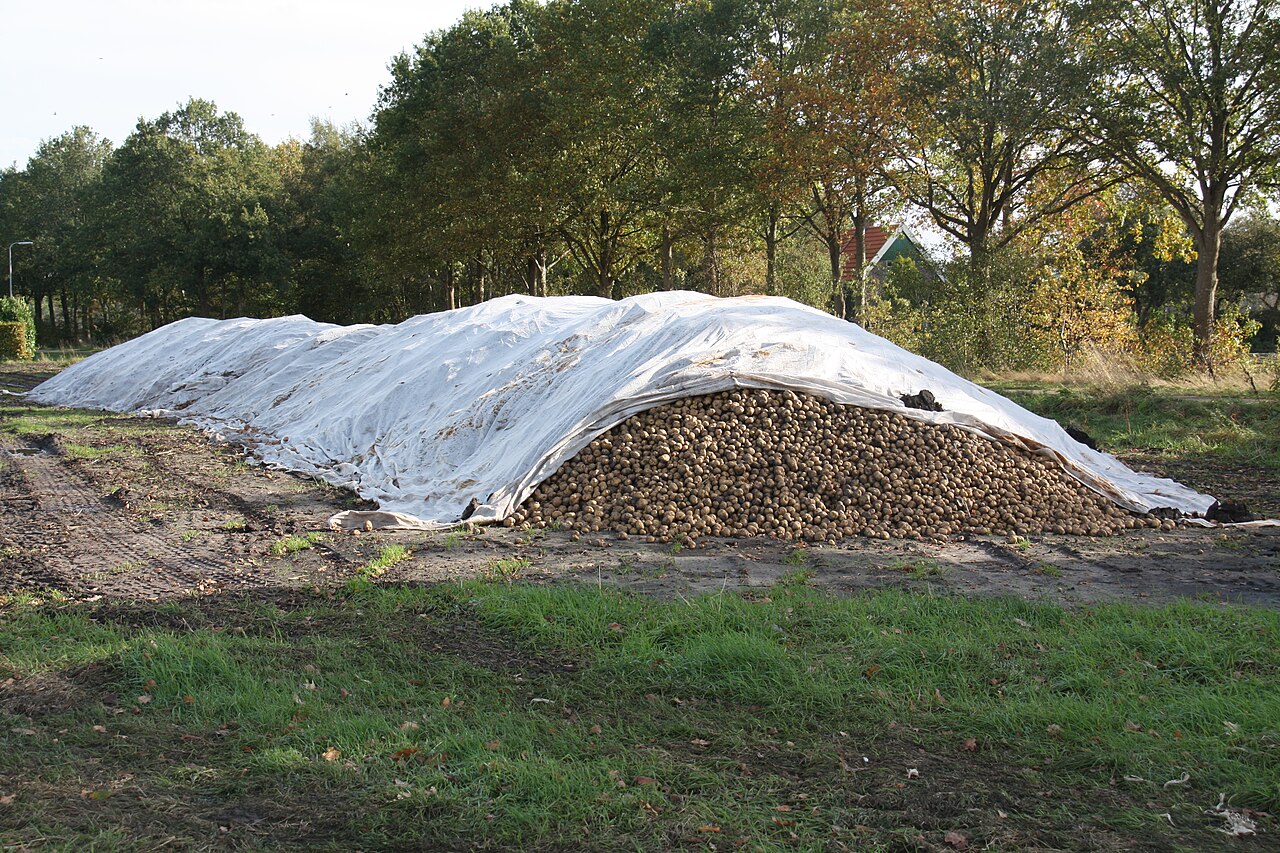
Photo: Silver Spoon / Wikimedia Commons (Public domain)
Source: Future Farming



Comments
(0)