

In rural Bengal, people used to wake to the timeless sweet song of the doyel. That familiar scene is changing fast. The doyel, Bangladesh's national bird, is in a severe crisis of survival in its own homeland. Experts say losing this priceless symbol of nature would mean not just fewer birds but the breaking of a thousand-year-old culture and a protective ring around the environment.
A farmer's friend
In villages, dawn once broke to the call of this restless black-and-white bird. It was known not only as a singer but also as a close friend of farmers, because harmful crop insects are its main food. Farmers did not need to use toxic chemicals separately: these small wings looked after whole fields for free.
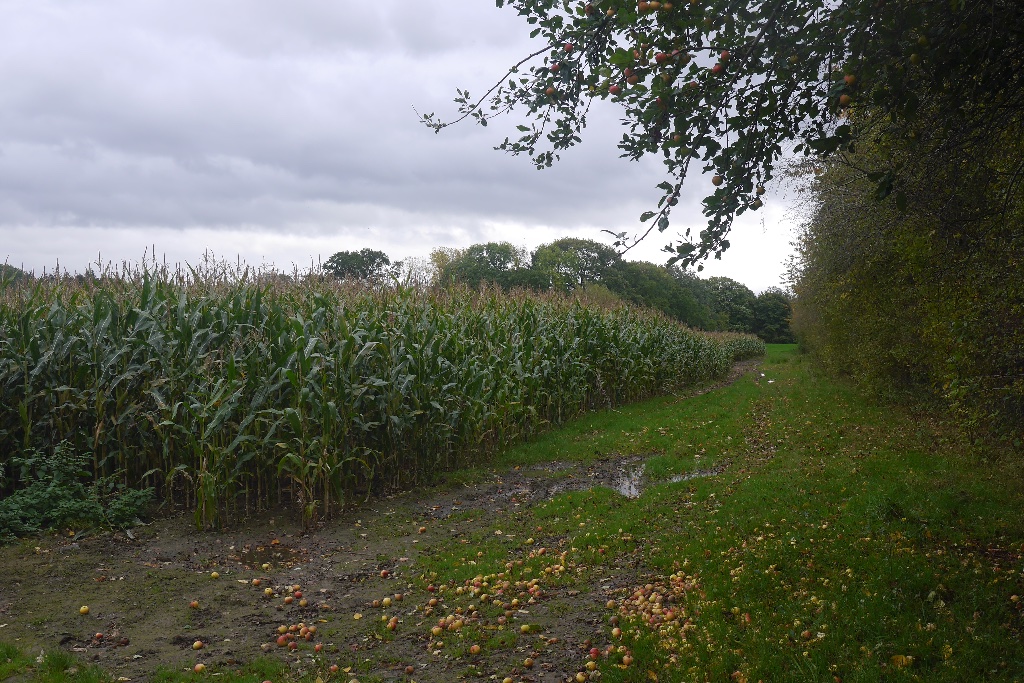
The doyel does not live in dense forest. It likes to nest near people's homes, in tree hollows, in gaps in the roofs of mud houses or on vegetable trellises. But in the storm of modernisation, villages no longer have the trees, mud houses or thatched roofs of the past. The biggest blow has come from modern farming.
Pesticides, urbanisation and climate
Excessive and uncontrolled pesticide use in crop fields is poisoning the insects that are the bird's main food, and the national bird is dying early after eating them. Sudden climatic shifts, storms and rain are also disrupting breeding, pushing the doyel towards extinction. The bird that moved around people's homes and kept crop pests in check is now on the path to extinction because of excess pesticides, urbanisation and a lack of habitat.
What needs to change
Environmentalists say saving the national bird requires a radical change in how we think about the environment. Chemical pesticide use must be cut and environmentally friendly integrated pest management and organic farming strengthened, which would keep the bird's food chain safe. Above all, strict and impartial enforcement of the wildlife protection law is now essential.
The doyel's true beauty lies in the open sky and the freedom of deep woods. If we cannot save this watchful guardian of nature, we will leave future generations a barren, songless Bangladesh, exposed to natural disasters. The writer calls on every citizen to wake up to this before time runs out.
The writer, Sabbir Hossain, is a student at Ta'mirul Millat Kamil Madrasa, Tongi.
Source: Jagonews24. First published in Bengali on The Agro News.

Comments
(0)