

Three housewives died of snakebites within two days in Phulbari upazila of Dinajpur. One died in Kazihal union on the night of Monday 15 September 2025, and two more died on the morning of Tuesday 16 September, one in Kazihal union and one in Shibnagar union. Jagonews24 reported the deaths on 16 September.
The three women were Bulbuli Begum (35), wife of the late Delwar Hossain of Rameshwarpur village in Kazihal union; Bina Rani (45), wife of Shyamal Roy of Pukuri Singhpara village in the same union; and Kanika Rani (45), wife of Krishna Chandra of Rajarampur Goalpara village in Shibnagar union. The chairmen of Kazihal (acting chairman Kanchan Mia) and Shibnagar (Samidul Islam) unions confirmed the deaths.
Bitten while doing housework
At about 8pm on Monday, Bina Rani was blocking the mouth of a rat hole inside her mud house in Pukuri Singhpara when a snake inside the hole bit her. She died shortly afterwards.
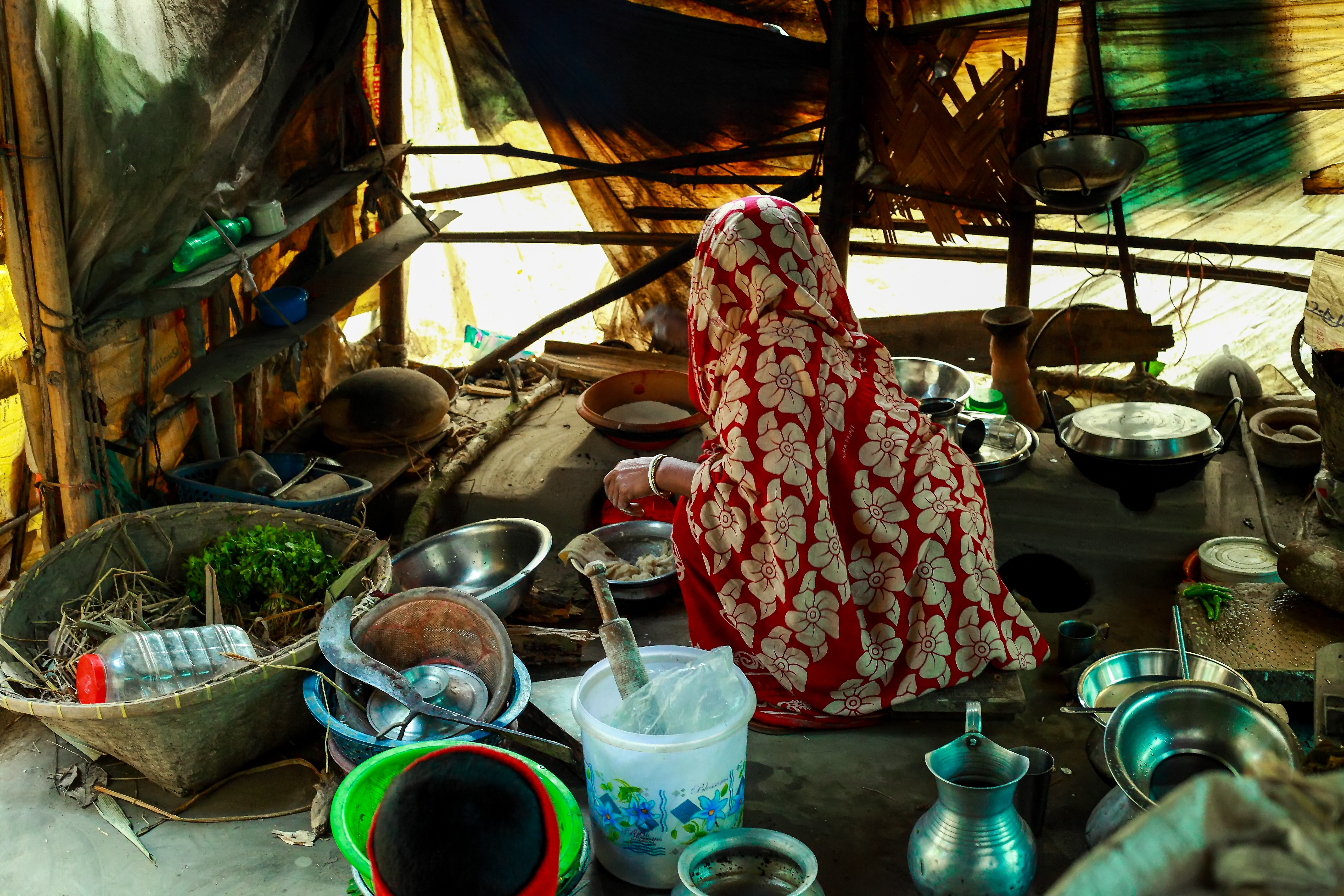
On Tuesday morning Kanika Rani was cooking at her home in Rajarampur Goalpara when a snake came out of the firewood and bit her. She was taken to Phulbari Upazila Health Complex, where the doctor referred her to Dinajpur Medical College Hospital. She died on the way.
The same morning in Rameshwarpur, Bulbuli Begum was bitten while clearing ash from a clay stove. She too was referred from the upazila health complex to Dinajpur Medical College Hospital and died on the way before reaching it. The report did not say which species of snake bit the three women.
The upazila hospital had antivenom in stock
Nure Alam, the resident medical officer (RMO) of Phulbari Upazila Health Complex, told Jagonews24 that the hospital had antivenom in stock, but that the injection is given after assessing the patient's symptoms and which snake was responsible. He said the patients who came were in a very serious condition, and in one case the proper signs of a snakebite were not found, so they were sent to Dinajpur Medical College Hospital for better treatment.
Phulbari is an upazila of Dinajpur district in Rangpur division. It is made up of a municipality and seven unions, Kazihal and Shibnagar among them, and had 194,569 residents at the 2022 census.

Snakebite in Bangladesh and the world
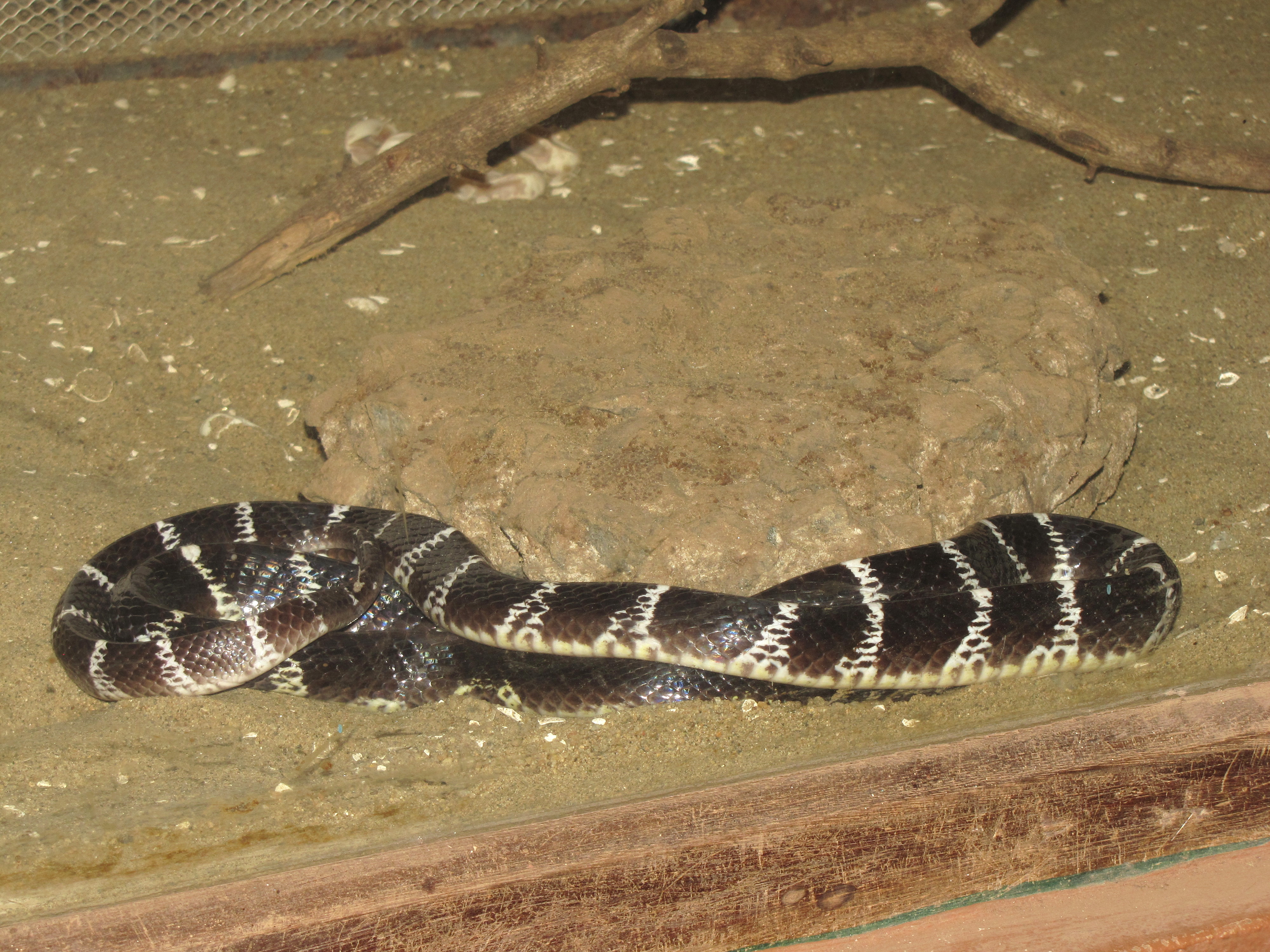
On 18 June 2023 the results of a 2021-2022 national survey of snakebite were released at an event organised by the Directorate General of Health Services. According to The Business Standard, the survey found that about 400,000 people in Bangladesh are bitten by snakes every year and that more than 7,500 of them die. Ninety-five per cent of bites happen in rural areas. At the time of the survey, no antivenom was produced in the country.
The World Health Organization (WHO) estimates that 5.4 million people worldwide are bitten by snakes each year and that 81,410 to 137,880 of them die. Agricultural workers and children are the most affected. WHO says high-quality antivenom is the most effective treatment to prevent or reverse most of the effects of snake venom. In June 2017 WHO listed snakebite envenoming as a highest-priority neglected tropical disease, with the aim of halving deaths and disability from it by 2030.
WHO advice on first aid and prevention
WHO advises keeping a person who has been bitten completely still and taking them to medical care without delay on a makeshift stretcher, if possible lying on their side to protect the airway. It warns that narrow tourniquets, cutting the wound, chemicals such as potassium permanganate and suction with heated glass containers are dangerous as well as ineffective. To reduce bites around the home, WHO recommends:
- clearing piles of rubbish and old materials near the house and keeping grass short, since snakes shelter in such places;
- using a light when walking outside at night;
- sealing the house so snakes cannot get in, or, where that is not possible, sleeping on a raised bed under a well-tucked mosquito net;
- not walking barefoot where snakes may be; WHO says as many as 80 per cent of bites are on the legs or feet, below the knee.
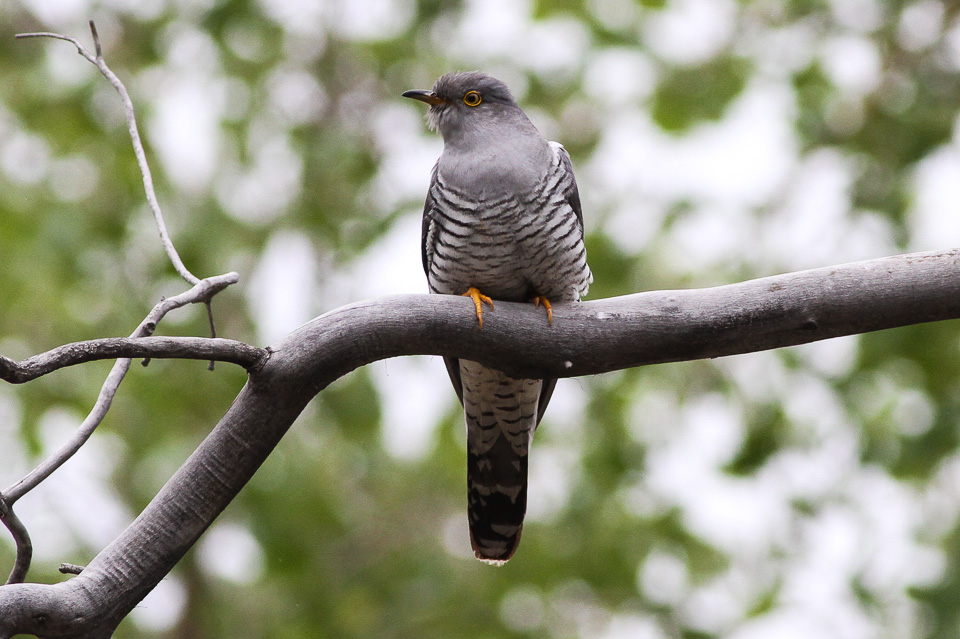
Photo: Rocky Masum / Wikimedia Commons (CC BY-SA 4.0)
Sources: Jagonews24, The Business Standard, World Health Organization (WHO), Wikipedia
Comments
(0)