
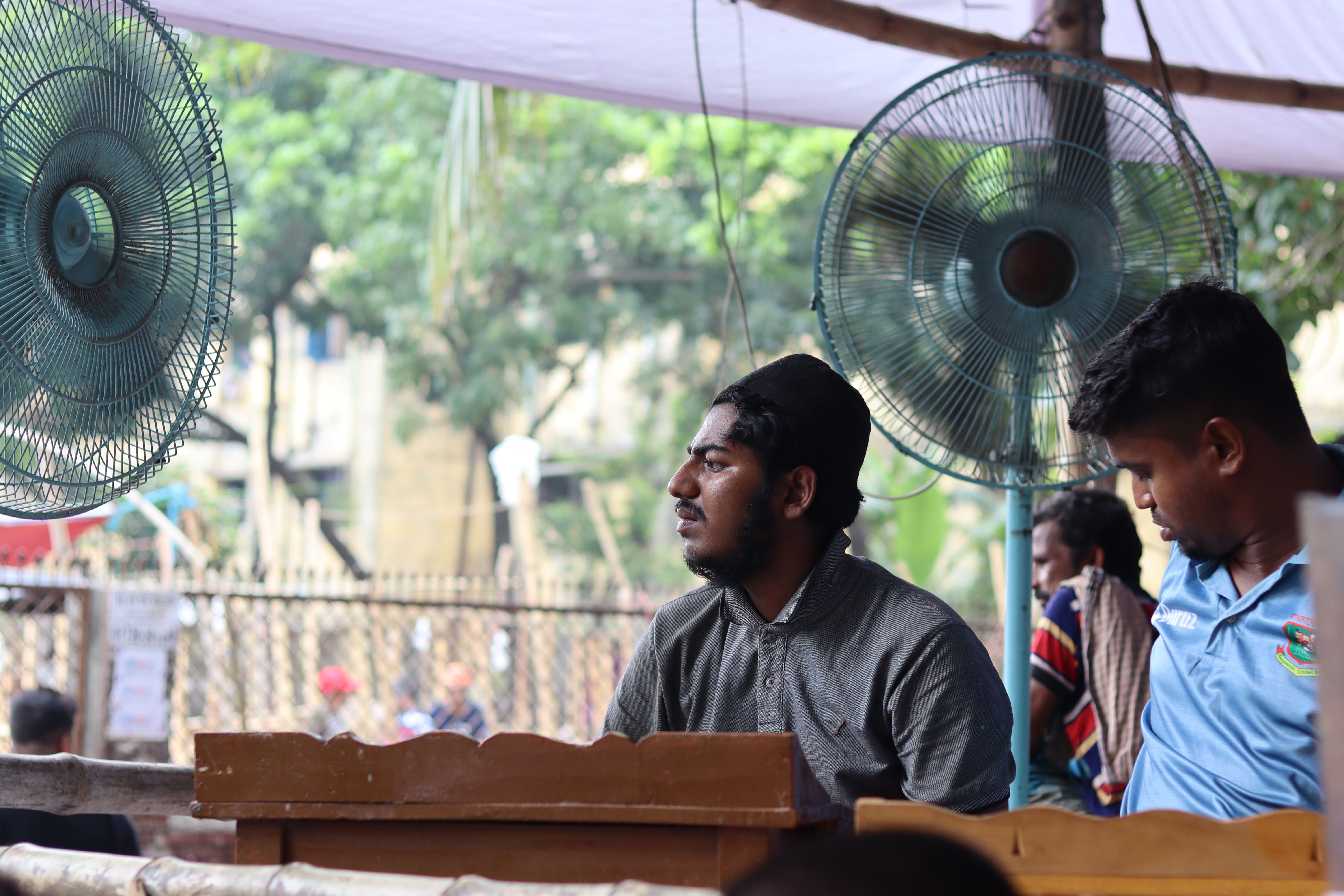
Ahead of Eid-ul-Azha in May 2026, farmers and households in Dhamrai upazila of Dhaka district had prepared 51,508 cattle, buffaloes, goats and sheep for Qurbani, about 17,000 more than the upazila's own demand, Jagonews24 reported on 17 May 2026. People involved in the trade said the surplus would help meet the demand for sacrificial animals in the capital and in other parts of the country.
Dhamrai Upazila Livestock Officer Md Mizanur Rahman estimated that animals worth Tk 500 crore to Tk 600 crore could be sold in Dhamrai that year. The figure was his estimate of what the season might bring, not a count of sales already made. Farmers in the upazila were also hopeful about prices, the report said.
What Dhamrai had ready for the sacrifice
According to the upazila livestock office, about 300 farmers and growers in Dhamrai had prepared animals for Qurbani that year. They comprised 1,225 cows and heifers, 31,043 bulls, 240 bullocks, 40 buffaloes, 16,560 goats and 2,400 sheep. Bulls were by far the largest group, followed by goats. Local demand for sacrificial animals in the upazila was put at about 35,000, and once it was met, the surplus was to be supplied to Dhaka and other parts of the country.
The Dhaka Tribune had reported the same figures from Dhamrai on 11 May, citing the Department of Livestock Services. Its correspondent wrote that cattle made up 32,548 of the animals, and that after local demand was met about 17,000 additional cattle were expected to be supplied to Dhaka and nearby regions.
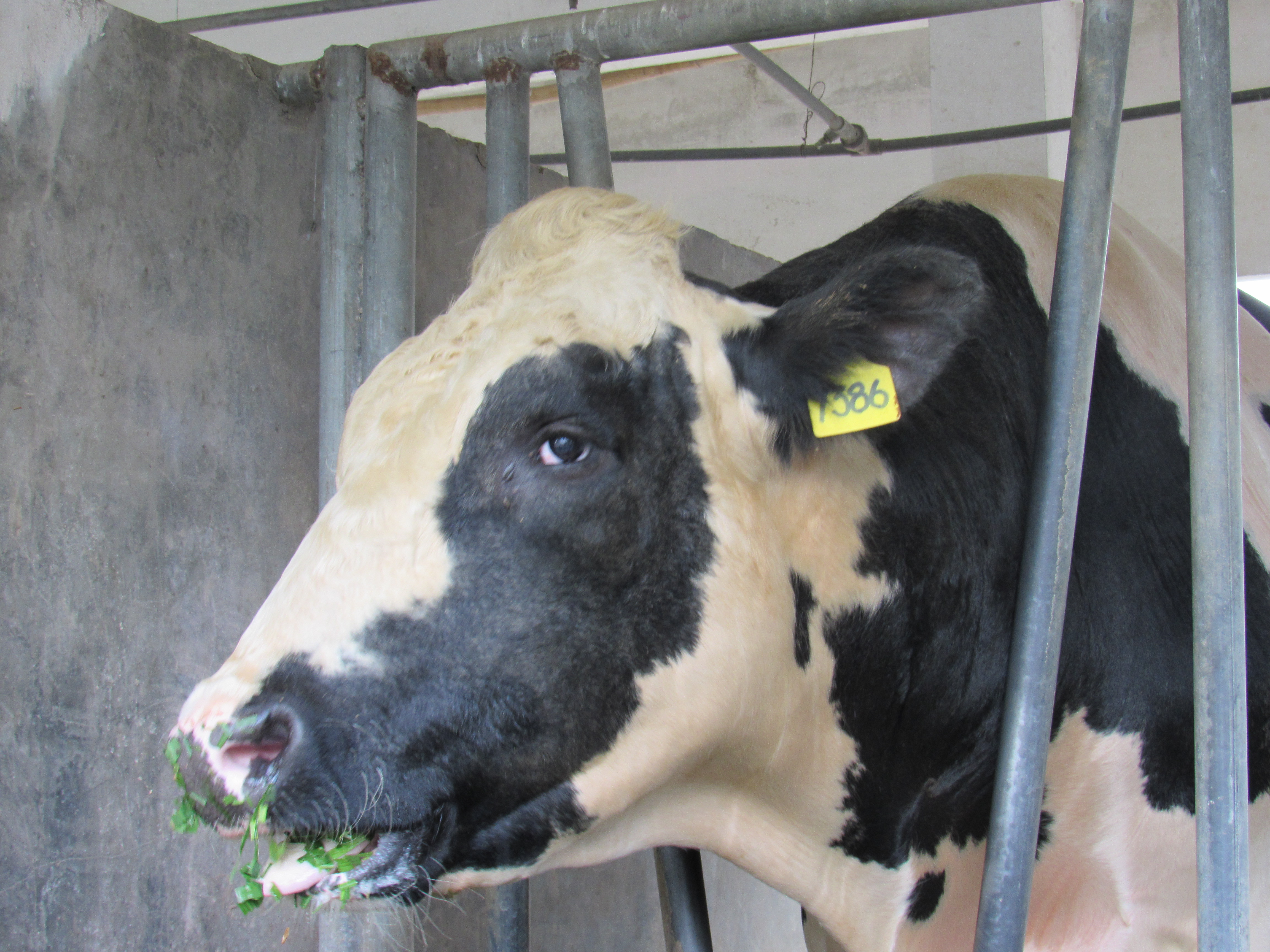
Mizanur Rahman told Jagonews24 that 51,508 cattle, buffaloes, goats and sheep had been prepared for Qurbani in the upazila. Besides local breeds, he said, they included Nepali, Australian, Friesian and Haryana cattle. He gave the Dhaka Tribune the same list of breeds.
Farmers and traders far apart on price
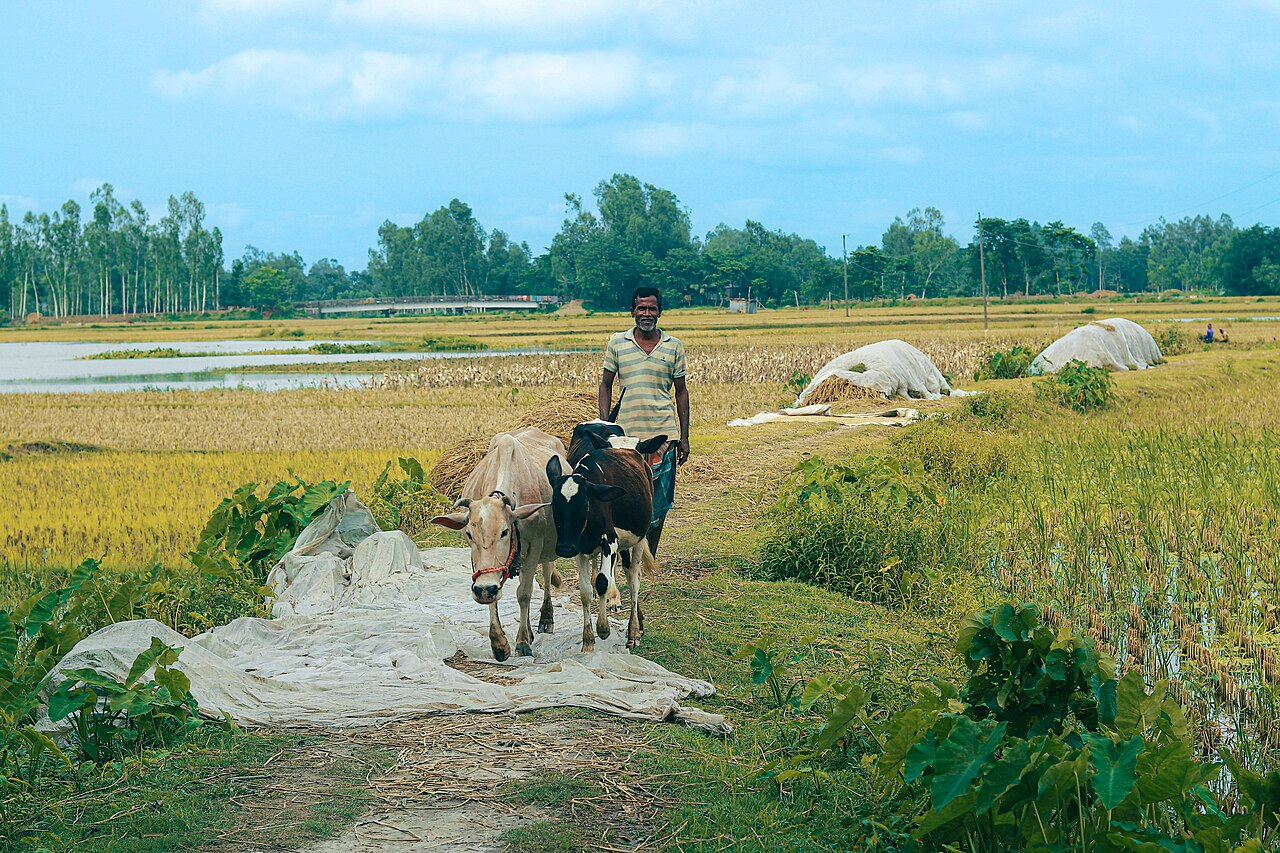
Cattle rearing is a long tradition in Dhamrai, the Jagonews24 report noted. Ahead of Qurbani the upazila's farmers had raised and fattened their cattle by natural and local methods, and in the last days before the market season they were busy caring for the animals in the hope of a profit.
The care was round the clock. Farmers were bathing their animals, gathering fresh grass, making sure the sheds had enough light and air, and arranging regular health checks and treatment. The Dhaka Tribune's correspondent, who visited several farms and the homes of marginal farmers, described the same routine. But the farmers said the cost of feed, medicine and treatment had risen a great deal compared with earlier years.
Buyers and sellers had not yet met on price. Farmers said traders were offering less than the animals were worth, while traders said farmers were asking too much. Because there was no fear of Indian cattle being brought in that year, however, both farmers and traders hoped to get better prices than before, Jagonews24 reported.
Md Anwar Hossain, who rears cattle in Dhamrai, said about 20 cattle had been prepared on his farm for the Qurbani Eid. "We raised the calves of our cows the natural way, on fresh grass and rice bran. Traders are now offering Tk 2 lakh to Tk 3 lakh for each animal. But I hope prices will rise further," he said.
Mizanur Rahman said the animals left after local demand was met would be supplied to Dhaka and other areas, and repeated his estimate that animals worth Tk 500 crore to Tk 600 crore could be sold in Dhamrai that year.
Dhamrai, a farming upazila on the Bangshi
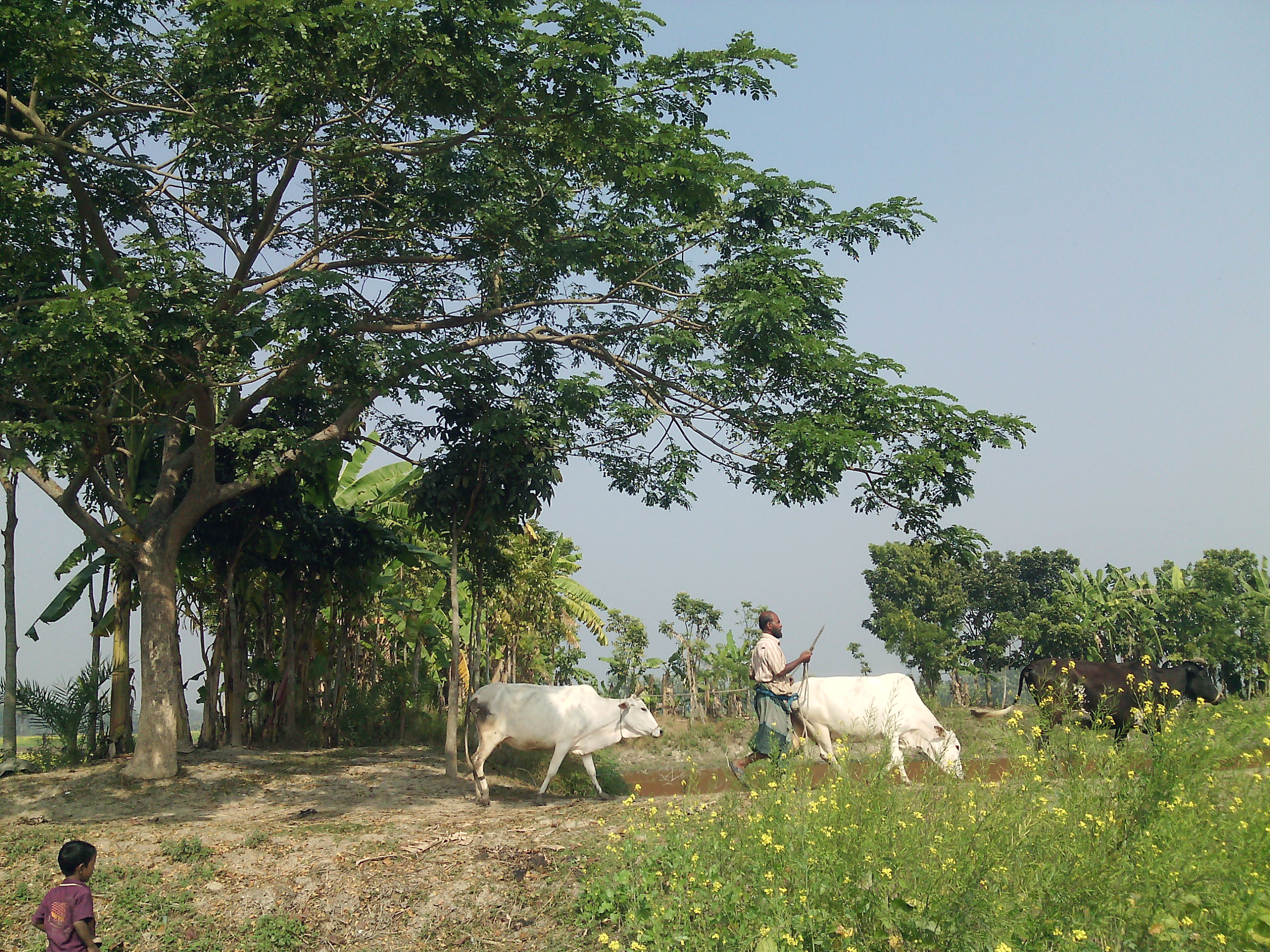
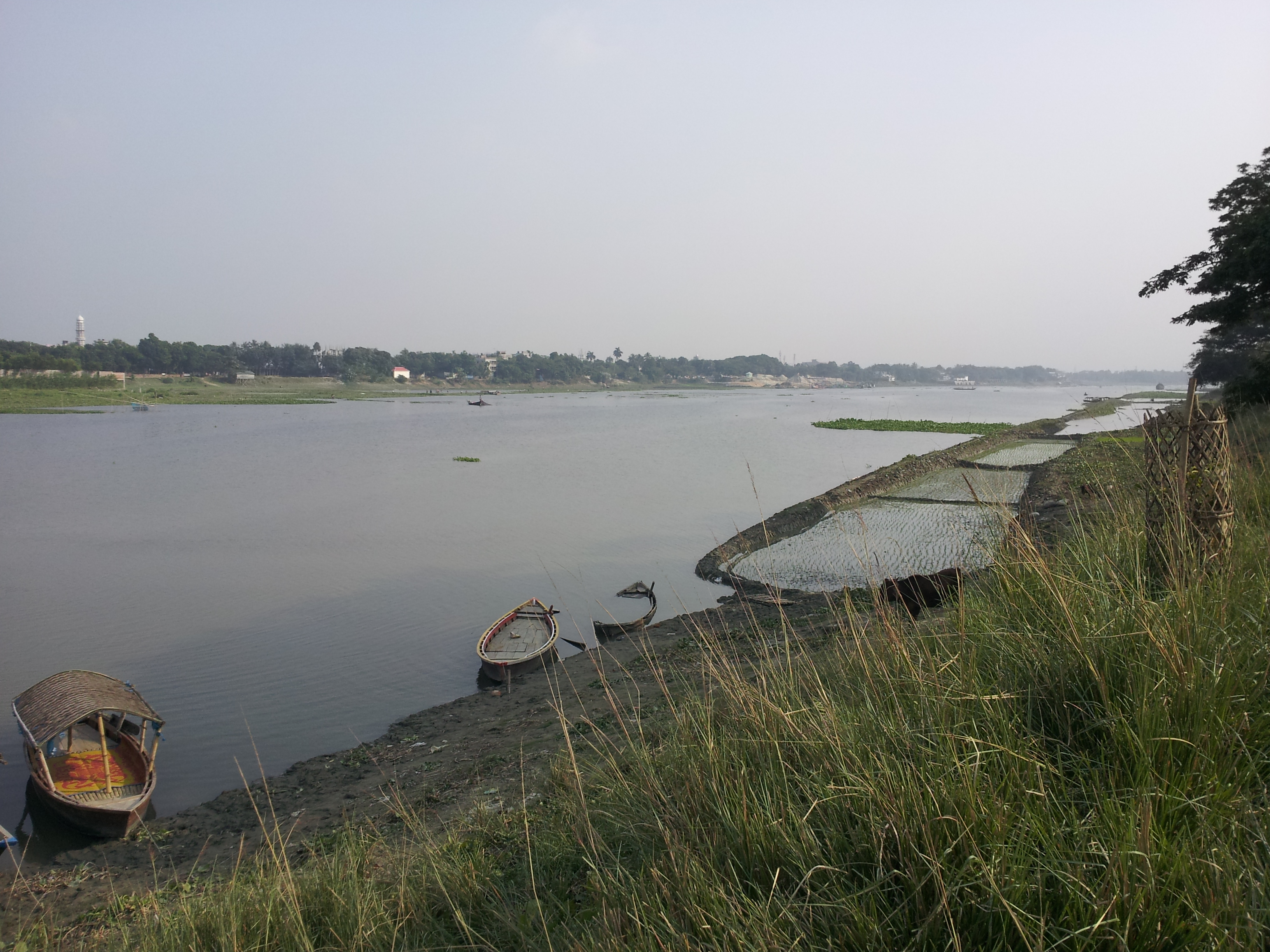
Dhamrai is an upazila of Dhaka district, about 40 kilometres north-west of the capital and, by land area, the largest upazila in the district. It covers 307.41 square kilometres. According to Banglapedia, the national encyclopaedia, it is bounded by Mirzapur and Kaliakair upazilas to the north, Singair to the south, Savar to the east, and Manikganj Sadar, Saturia and Nagarpur to the west. The Bangshi, Dhaleshwari and Gazikhali are its notable rivers, and its soil is the alluvium of the Bangshi and the Dhaleshwari.
Dhamrai thana was formed in 1914 and was turned into an upazila in 1985, Banglapedia says. The upazila has one municipality, 16 unions, 290 mouzas and 398 villages. The 2022 census counted 517,135 people in 134,023 households, 124,767 of them living in urban areas; the 2011 census had counted 412,418.
Farming has long been the backbone of the local economy. Banglapedia, drawing on census data, gives agriculture as the main source of income for 55.47 per cent of households, followed by commerce at 12.74 per cent and services at 11.39 per cent. The main crops are paddy, jute, maize, mustard, potato and vegetables, and the main fruits are mango, jackfruit, coconut and guava. The encyclopaedia's survey of the upazila counted 598 dairies, 195 poultry farms and one hatchery, and 35 hats and bazars, the best known being Dhamrai Bazar, Shreerampur Bazar, Kalampur Bazar, Islampur Bazar and Kushura Bazar.
Wikipedia's article on the upazila gives 23,470 hectares of cultivable land, of which 14,580 hectares carry two crops a year and 6,740 hectares three, for a cropping intensity of 220.83 per cent. Banglapedia lists rice, jute, medicine, ceramics and vegetables among the upazila's main exports, and its industries include ceramics, jute, pharmaceuticals, textiles, rice mills and a BSCIC industrial estate.
Dhamrai is known beyond farming too. It is the main centre of Bangladesh's hand-cast metal craft, where families have for generations made brassware and statues by the lost-wax and hollow-casting methods, and it holds an annual Jagannath Rath Yatra chariot festival with a month-long fair.
The breeds in Dhamrai's sheds
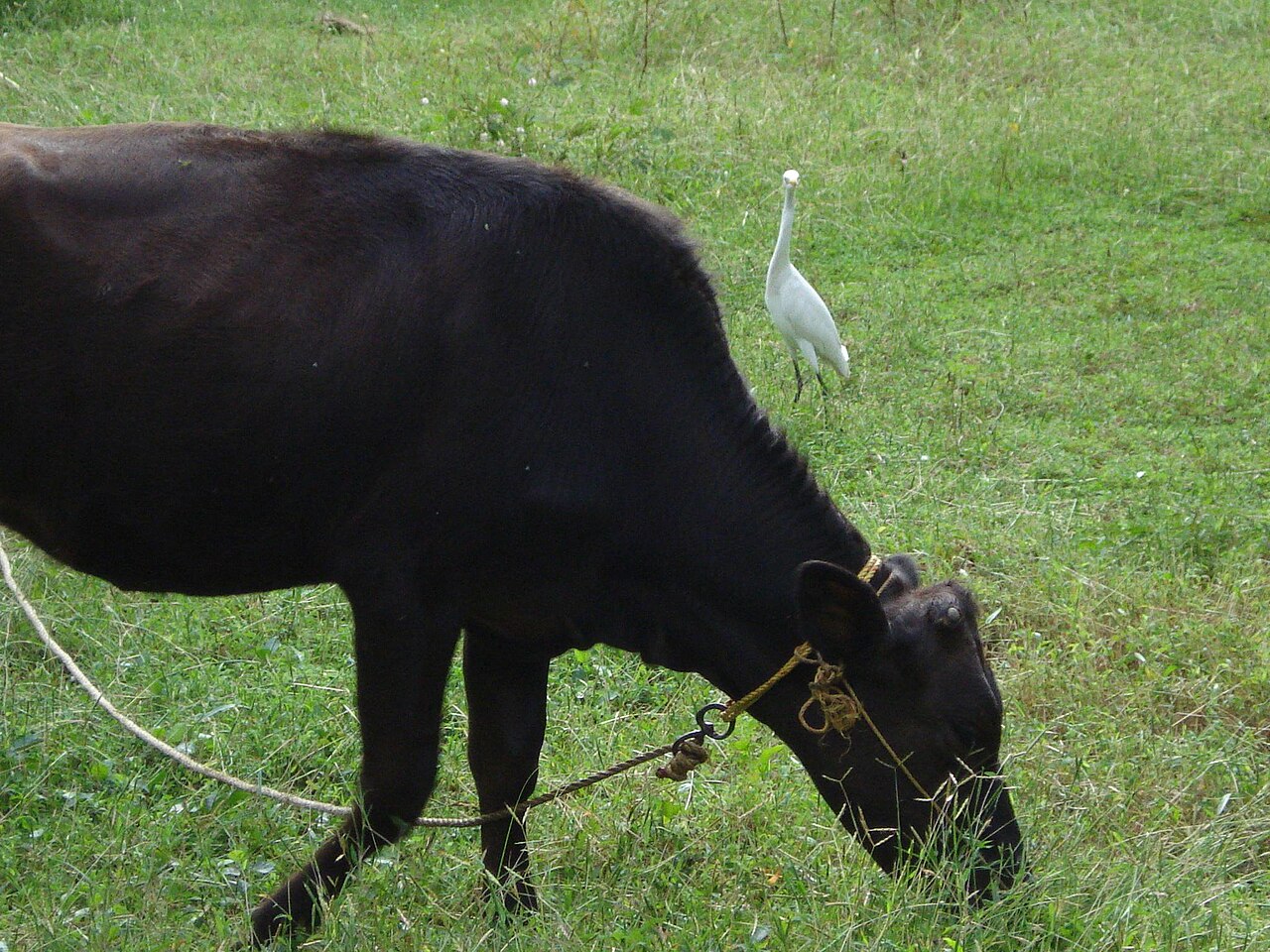
Most of Bangladesh's cattle are non-descript indigenous zebu, humped animals of the species Bos indicus, according to Banglapedia. Compared with the temperate Bos taurus they grow more slowly, are smaller and mature later, but they resist some infectious diseases, tolerate heat and make efficient use of low-quality roughage. No distinct cattle breed has been formally established in the country, the encyclopaedia says, but long selection has produced improved local types: Pabna cattle, Red Chittagong cattle, Munshiganj cattle and North Bengal Grey cattle.
To raise the output of local cattle, exotic breeds have been brought in for crossbreeding at various times. Banglapedia lists Holstein-Friesian, Jersey, Sahiwal, Hariana, Sindhi, Australian and Sahiwal-Friesian among them. Pure exotic animals, their crosses and upgraded cattle are found on government and commercial dairy farms, in milk pocket areas and in urban and semi-urban areas. Pure and crossbred cattle need richer feed, adapt less well and are more susceptible to parasites and disease than local cattle, the encyclopaedia notes.
Two of the breeds named in Dhamrai are well documented. The Holstein Friesian is an international breed, or group of breeds, of dairy cattle; European Holstein cows average 7,000 to 8,000 litres of milk a year. The Hariana, or Haryana, is a zebu breed native to the Indian state of Haryana. Its cattle are medium to large and generally white to grey, with short horns and a long, narrow face; it is a dual-purpose milk and draught breed, and its cows give about 10 to 15 litres of milk a day.
Banglapedia also describes the kind of fattening the Dhamrai farmers spoke of. Some farmers fatten yearling bull calves on conventional and non-conventional feeds, adding supplements such as green grass, wheat bran, rice bran, rice gruel, urea-molasses blocks and urea-molasses straw. In recent years, the encyclopaedia adds, a number of small commercial dairy and beef farms have been set up, particularly in urban and peri-urban areas.
Supply and demand across the country
Dhamrai's count was part of a national tally. At a press conference at the secretariat on 3 May 2026, the fisheries and livestock minister said the expected demand for sacrificial animals that year was 10,106,334, against an availability of 12,333,840, leaving a likely surplus of about 2,227,506. Citing Department of Livestock Services (DLS) figures, he said the animals available comprised 5,695,878 cattle and buffaloes, 6,632,307 goats and sheep, and 5,655 animals of other species such as camels and dumbas (fat-tailed sheep).
The same briefing recalled the previous year. For Eid-ul-Azha in 2025, 12,447,337 animals had been available, and a surplus of more than 2,068,000 had been forecast. When the DLS counted the sacrifices in June 2025, it reported that 9,136,734 animals had been sacrificed: 4,705,106 cattle and buffaloes, 4,430,668 goats and sheep and 960 other animals, while 3,310,603 sacrificial animals had gone unsold. The department said the count was based on stratified random sampling, with samples of at least one per cent taken from a small, a medium and a large village in each upazila.
That 2025 count put Dhaka division, which includes Dhamrai, second in the country with 2,185,040 animals sacrificed, after Rajshahi division with 2,324,971. Sylhet division had the fewest, 319,823.
The number of sacrifices had hovered around 10 million for several years. Citing DLS figures, Prothom Alo reported in June 2024 that 10,614,281 animals had been sacrificed in 2019. After the coronavirus outbreak the number fell to 9,450,263 in 2020 and to a little over 9.093 million in 2021, then rose to 9,954,672 in 2022 and 10,041,812 in 2023.
For the 2026 season the minister said more than 3,600 cattle markets would be held across the country, 27 of them in the capital: 16 under Dhaka North City Corporation and 11 under Dhaka South. Twenty veterinary medical teams would be on duty round the clock at the capital's markets. Animals could again be bought online, with no toll or market fee charged on online purchases, and professional and seasonal butchers were being trained so that hides would not be spoiled.
The districts that send animals to Dhaka
Dhamrai was one of many surplus areas whose animals were expected in the capital. Reports from other districts in the week before the Jagonews24 story gave these figures, each from the district livestock office:
- Sirajganj: 617,723 sacrificial animals against a local demand of 293,676, a surplus of about 324,000, including 199,924 cattle, 365,850 goats and 47,724 sheep, with Shahjadpur, Ullapara and Sadar upazilas producing the most (BSS, 14 May). The Dhaka Tribune reported on 12 May that the surplus would go to Dhaka and other parts of the country, and that animals would be traded at 27 permanent and 20 temporary markets in the district.
- Naogaon: about 38,909 small and large farmers had raised nearly 8 lakh sacrificial animals; against a district demand of 3.87 lakh, more than 4.10 lakh were to be supplied to other districts, including Dhaka and Chattogram (BSS, 12 May).
- Chapainawabganj: 226,050 animals against a local demand of 167,020, an estimated surplus of 58,848 (Dhaka Tribune, 15 May).
- Shariatpur: about 25,000 family and commercial farms had prepared more than 1.5 lakh cattle, goats and buffaloes, against a demand of about 1 lakh in the district's six upazilas (BSS, 14 May).
Farmers in these districts described the same pressures as those in Dhamrai. A farmer in Shahjadpur, Sirajganj, told the Dhaka Tribune that as feed prices kept rising, so did the cost of raising cattle, which could push up prices that Eid. Farmers in Naogaon told BSS that grain-based feed had risen by Tk 300 to Tk 500 a sack over three months; one said a 50-kilogram sack that used to cost Tk 1,800 was selling at Tk 2,000. A farmer in Shibganj, Chapainawabganj, said feed that had cost Tk 40 now cost Tk 60. The Naogaon Sadar upazila livestock officer told BSS that because most ingredients of granular feed were imported, prices had risen slightly with the global situation, and that deworming and vaccination were being provided at government rates.
Farmers had made the same complaint in earlier years. Prothom Alo reported on 19 May 2024 that wheat bran, which had cost Tk 46 to Tk 47 a kilogram at the start of that year, was then selling at Tk 52 to Tk 55, gram husk had risen from Tk 52 to Tk 53 to between Tk 62 and Tk 65, and granular feed from Tk 49 to Tk 50 to between Tk 55 and Tk 56.
Indian cattle and the border
The hope the Dhamrai farmers voiced, that no Indian cattle would come in, was shared across the country that season. Wikipedia's article on the Bangladesh-India border notes that the border has been used as a route for smuggling livestock, food, medicines and drugs from India into Bangladesh.
At the 3 May briefing the fisheries and livestock minister said a policy decision had been taken that year to close cattle markets in border areas to protect local farmers. In the past, he said, foreign animals had come in through some markets close to the border and local farmers had suffered losses, so markets would not be allowed to sit in border areas, The Business Standard reported.
On 14 May, speaking to officials at the Bangladesh Livestock Research Institute (BLRI) in Savar, the upazila next to Dhamrai, the minister said there was no shortage of sacrificial animals and that the sacrifice would be performed with animals reared by local farmers. With supply above the number needed, he said, there would be no need to import animals that year. Strict instructions had been given to law enforcement agencies to stop livestock entering illegally across the border, and people in border areas had been warned not to let animals be smuggled in, the Dhaka Tribune reported.
Farmers elsewhere still pressed the point. In Chapainawabganj farmers urged the authorities to stop the illegal entry of Indian cattle, fearing it would hurt local farmers, and the district's acting livestock officer said the government had taken the necessary steps to prevent it. In Shariatpur, farm owners told BSS they hoped to profit if no Indian cattle came in, and one asked the government to keep imports closed.
Prices, payments and the sale season
As the season approached, demand was leaning towards smaller animals. Farmers and traders told BSS on 15 May that small and medium cattle were most in demand, particularly in cities such as Dhaka, with middle-class purchasing power playing a large part. Cattle of 200 to 500 kilograms were most sought after, and buyers with budgets of Tk 50,000 to Tk 2.5 lakh were expected to find a wide choice. Farmers said the costs of feed, medicine, labour, fuel and transport had risen considerably, and some buyers were already visiting farms and booking animals in advance.
Sales by live weight had become common on farms and online. Prothom Alo reported in June 2024, citing the Bangladesh Dairy Farmers Association, that live cattle were then selling at Tk 500 to Tk 600 a kilogram depending on size, against Tk 480 to Tk 500 a year earlier, and that the meat and bone obtained after slaughter come to about 55 per cent of an animal's live weight.
Cash safety at the markets was also being arranged. On 10 May 2026 Bangladesh Bank sent scheduled banks ten instructions to set up counterfeit-note detection booths at cattle markets, Desh Rupantor reported. Among them:
- banks were to check notes free of charge, with detection machines and experienced cash officers, at the markets approved by the two Dhaka city corporations, from the first day of each market until the night before Eid;
- in districts without a Bangladesh Bank office, the chest branches of Sonali Bank were to assign banks to the approved markets of city corporations, municipalities and thanas or upazilas;
- booths were to offer note counting by machine and display a banner with the bank's name and the words 'counterfeit note detection booth';
- each bank was to send the central bank a compliance report within 30 working days after Eid.
The offices behind the figures, and the sacrifice itself
The figures for Dhamrai came from the upazila office of the Department of Livestock Services, the government department under the Ministry of Fisheries and Livestock that has offices in every upazila of Bangladesh. According to Banglapedia, the department provides veterinary coverage and development and extension services for livestock and poultry, and their marketing and processing. Its work began in 1893 with a Civil Veterinary Department under the British government; after partition it was reorganised as the Directorate of Animal Husbandry, East Pakistan, and in 1960 it was renamed the Directorate of Livestock Services. Its head office is at Farmgate in Dhaka.
The Bangladesh Livestock Research Institute, where the minister spoke on 14 May, stands in Savar, just east of Dhamrai. It was set up in 1984 as an autonomous institute, Banglapedia says, with divisions for animal production, animal health, poultry production, socio-economics and marketing, system research and support services, and regional stations at Baghabari in Sirajganj and Naikhongchhari in Bandarban. It has developed a cattle fattening model meant to give a higher growth rate in live weight and better feed conversion, and runs a selective breeding programme on Pabna cattle, Black Bengal goats, buffaloes and gayals. On his visit the minister said efforts were under way to make cattle rearing cheaper and to increase the production of improved grass varieties.
Qurbani, or udhiyah, is the ritual sacrifice of a livestock animal during Eid-ul-Azha. It commemorates the Prophet Ibrahim's willingness to sacrifice his son Ismail at God's command; before he could do so, he was stopped and God provided a ram to be sacrificed instead. According to Wikipedia's article on the practice, one third of the meat is eaten by the family making the sacrifice and the rest is distributed to the poor and needy. In Bangladesh, temporary cattle markets known as haats begin to appear across the country from the first day of the month of Dhul Hijjah, the month in which Eid-ul-Azha falls.
Photo: Wasiul Bahar / Wikimedia Commons (CC BY-SA 4.0)
Sources: Jagonews24, Dhaka Tribune, The Business Standard, Bangladesh Sangbad Sangstha (BSS), Prothom Alo, Desh Rupantor, Banglapedia, Wikipedia
Comments
(0)