
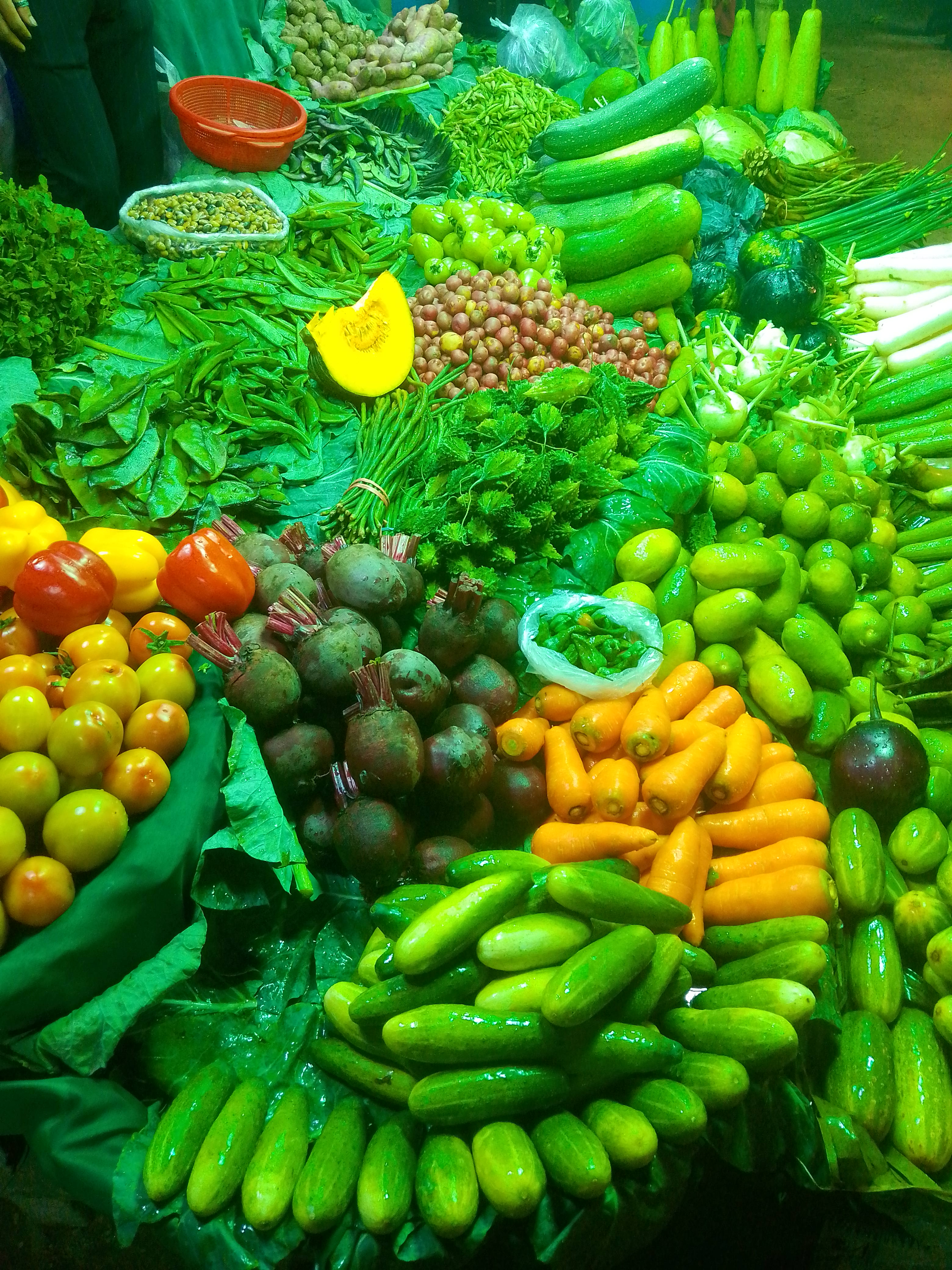
Prices of winter vegetables rose again in Dhaka's kitchen markets in the second week of January 2026, Jagonews24 reported on Friday, 9 January. Although the peak-season vegetables were reaching the markets in larger quantities, the paper found that most of them had gone up by Tk 10-20 a kilogram within a week, and that tomatoes, which are usually within shoppers' reach at that time of year, were selling at Tk 100-120 a kilogram. Buyers, it said, remained uneasy about prices.
A senior Jagonews24 reporter visited several markets in the capital that Friday, among them Karwan Bazar, Nakhalpara, Hatirpool and the Mirpur-11 kitchen market, and found vegetable prices higher in all of them. Retailers told the paper that farmers could not harvest their vegetables in the severe cold, and that prices would come down once the temperature rose. The Bangladesh Meteorological Department said at the time that a mild to moderate cold wave was sweeping several districts and that no significant change in the weather was likely over the next five days. The intense cold, the report added, had disrupted daily life.
What vegetables cost in the capital on 9 January
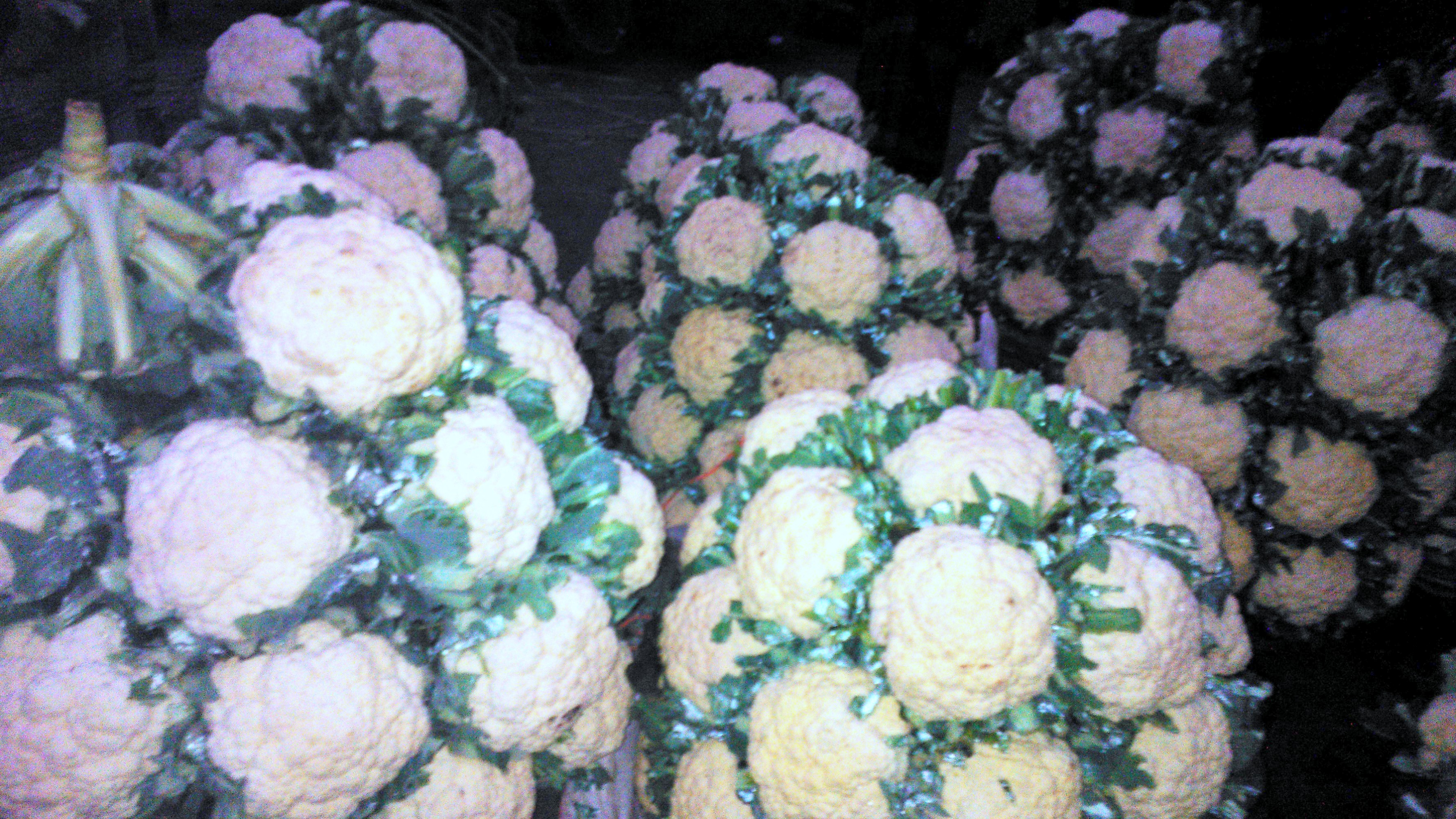
The cauliflower showed the change most clearly. A medium-sized head that had cost Tk 15-25 a week earlier was selling at Tk 35-40. Radish had risen by Tk 10 to Tk 40 a kilogram, and aubergine was selling at Tk 60 a kilogram. Beans (shim) had gone up by Tk 20 and were selling at Tk 50-70 a kilogram, while potatoes had risen slightly to Tk 25-30 a kilogram. Turnip, papaya and broccoli were available at Tk 30-50 a kilogram.
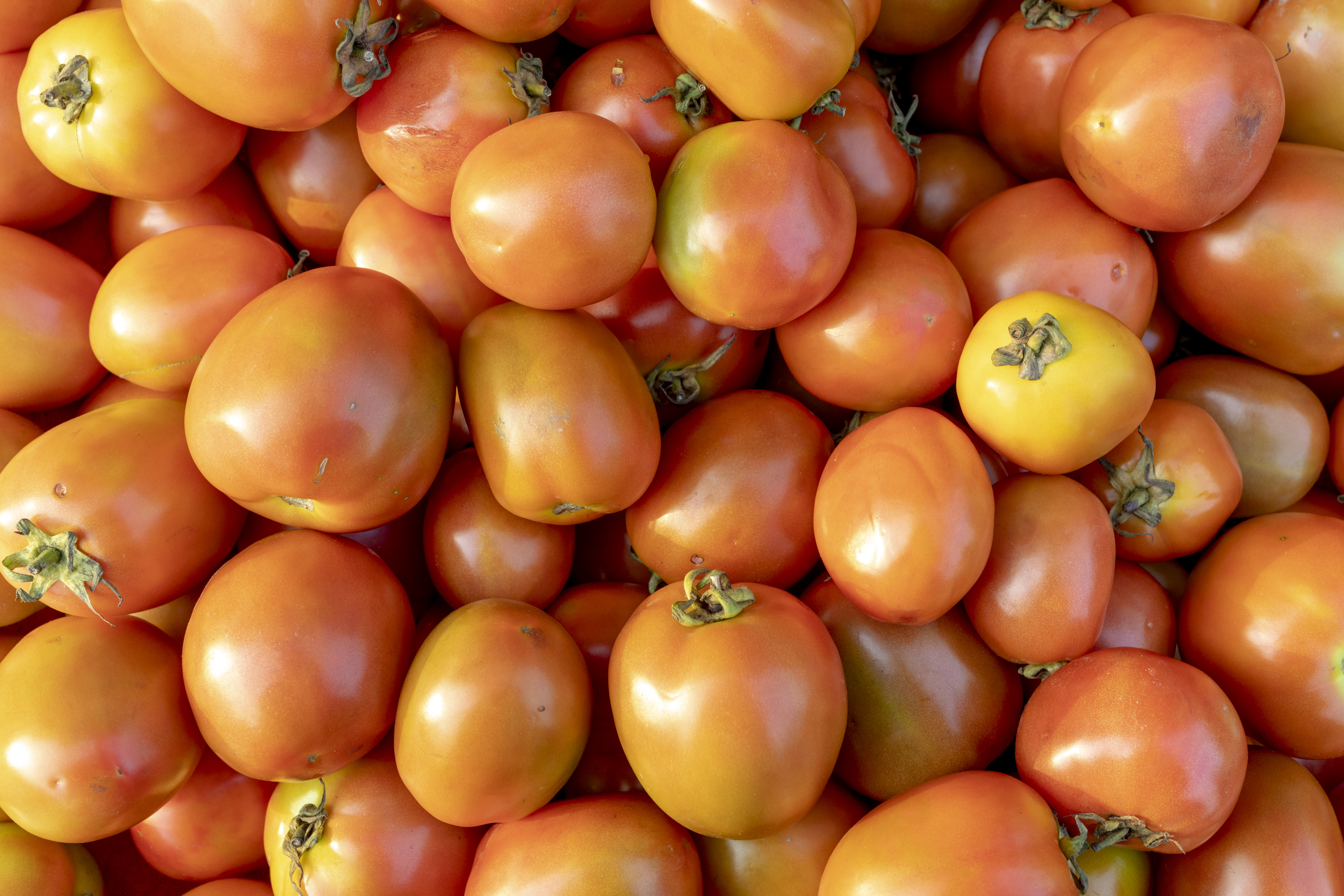
Tomatoes stood out. At that time of year their price is normally within buyers' reach, the report said, yet ripe, green and half-ripe tomatoes were all selling at Tk 100-120 a kilogram, whereas ripe tomatoes had been available at Tk 80 the previous week. Okra and pointed gourd (patal) were selling at Tk 90-120 a kilogram.
Not everything had become dearer. Across the markets it visited, Jagonews24 found the prices of onions, eggs, chicken and various other goods steady.
Traders point to thin supplies from outside Dhaka
Traders put the rise down to the weather. Shariful Islam, a trader at Karwan Bazar, told Jagonews24 that fewer vegetables were arriving from outside Dhaka. In the intense cold, he said, farmers could not leave their homes and could not pick vegetables from their fields at the right time or in the quantities that demand called for, and that had affected supply.
Retailers elsewhere in the capital said the same thing: the cold was keeping farmers out of the fields, and prices would ease when the temperature went up. These were the traders' explanations as the paper recorded them; the report did not give figures for the volume of vegetables reaching the wholesale markets that week.
What shoppers said
Al Amin, a shopper at Nakhalpara market, told the paper that vegetable prices were somewhat higher and that he thought they would rise further before Ramadan began. Another buyer said ripe tomatoes usually cost Tk 40-50 a kilogram in that season but were selling at twice the price. Traders, he said, were saying that tomatoes were not ripening in the severe cold, "yet we see in the news that farmers do not get a fair price".
The report did not give the prices that growers were receiving at the farm gate that week, so the gap the buyer described between what farmers earn and what city shoppers pay cannot be measured from it.
Why the cold matters for tomatoes and other winter crops
The tomato is a winter crop in Bangladesh. Banglapedia, the national encyclopaedia of Bangladesh, describes it as a solanaceous plant native to tropical America, whose seedlings, 25 to 30 days old, are usually planted in November and December, with the crop ready for harvest in 80 to 90 days. It notes that the Bangladesh Agricultural Research Institute (BARI) has developed a number of tomato varieties, among them BARI Tomato-4, BARI Tomato-5, Chaiti, Lalima and Anupama, which can also be grown in the warm season.
Tomatoes are a large crop. The Bangladesh Bureau of Statistics (BBS), in its Yearbook of Agricultural Statistics 2024, published in June 2025, puts the country's tomato production in the 2023-24 fiscal year at 491 thousand tonnes from 77 thousand acres, against 469 thousand tonnes in 2022-23 and 442 thousand tonnes in 2021-22.
Low temperatures affect the tomato plant at several stages. Guidance from the Government of Ontario in Canada on extreme temperature effects on tomato and pepper crops, published in 2022 and updated in 2024, says that temperatures below 10°C during flowering can interfere with pollination and lead to catfacing, a deformity of the fruit. It lists poor fruit set below 10°C and gives 18.5 to 26.5°C as the optimum for fruit set. A plant that experiences temperatures below 15.5°C for long periods, it adds, may carry flowers that stay open for several weeks without forming fruit, and tomato fruit can suffer chilling injury if exposed to 10°C for more than 14 days or to 5°C for more than six to eight days.
That guidance was written for growers in Canada, not in Bangladesh, and it does not address the traders' particular claim about ripening. It shows only that long spells of cold are a recognised stress on the crop.
Cold and fog in the fields that week
The cold the traders spoke of was being felt on farms across the country. In a separate report published the same morning, a little before the market report, Jagonews24 found that temperatures in Naogaon had stayed between 6 and 10 degrees Celsius through the previous week, and that the season's lowest temperature, 6.7°C, had been recorded at Badalgachhi in Naogaon on 7 January. The Met office's monthly outlook, issued on 1 January, had said that more than one cold wave could sweep the country in January and that the temperature could fall to 4°C.
The Met office grades a cold wave by the minimum temperature. As The Business Standard reported its classification in January 2024, a temperature of 8 to 10 degrees Celsius is a mild cold wave, 6 to 8 degrees a moderate cold wave and below 6 degrees a severe cold wave.
January is the coldest month in Bangladesh, according to Banglapedia, with average temperatures ranging from about 17°C in the northwestern and northeastern parts to 20-21°C in the coastal areas. In late December and early January, the encyclopaedia says, the minimum temperature in the extreme northwestern and northeastern parts of the country comes within 4 to 7 degrees of freezing point. It counts November to February as the cool dry season, during which only 2 to 4 percent of the annual rainfall falls.
Agricultural experts quoted in the farm report said that when low temperatures and fog persist for a long time, disease spreads quickly in almost all rabi (winter) crops, cutting both yield and quality. A farmer in Akkelpur, Joypurhat, told the paper that his bean plants were holding only four or five beans to a cluster, against 15 to 20 in other years.
The figures from the Department of Agricultural Extension (DAE) in that report show how much was in the ground. The DAE had set a target of 4.67 lakh hectares for potato that season, and about 87 percent of it had been planted; the weather had raised the risk of late blight in potatoes, and the department had issued an advisory on it. Experts quoted in the report said late blight appears in potato when the sun is not seen for three days in a row, and that the disease can kill potato plants quickly. Of the 2.48 lakh hectares targeted for boro rice seedbeds, about 70 percent had been prepared, and the agromet lab of the Bangladesh Rice Research Institute (BRRI) warned that extreme cold was raising the risk of seedling blight and thrips attack in the seedbeds.
In Naogaon, the deputy director of the district's DAE office told the paper that farmers were being advised to cover seedbeds with polythene, to keep them under water at night as protection against fog and cold, and not to transplant boro seedlings during the intense cold. A professor of plant pathology at Sher-e-Bangla Agricultural University said that most rabi crops were at an important stage of formation, and that disease at that point could cut yields sharply.
Eggs, chicken and meat held steady
Prices of eggs and meat had not moved. As in the previous week, a dozen brown farm eggs were selling at Tk 105-110. Broiler chicken cost Tk 155-165 a kilogram and Sonali chicken Tk 240-250 a kilogram, while beef was available at Tk 750-800 a kilogram.
By official estimates, Bangladesh produces more eggs and meat than its estimated demand. The Department of Livestock Services (DLS), in Livestock Economy at a Glance 2024-25, prepared in July 2025 from provisional BBS figures, puts the country's egg production in 2024-25 at 2,440.65 crore against a demand of 1,850.16 crore, calculated at 104 eggs a person a year, and its meat production at 89.54 lakh tonnes against a demand of 77.92 lakh tonnes, calculated at 120 grams a person a day.
Sonali, one of the two chickens in the price list, is a crossbred bird. A 2014 paper by researchers at Chittagong Veterinary and Animal Sciences University, published in the journal Livestock Research for Rural Development, describes it as a cross between Rhode Island Red cocks and Fayoumi hens that was developed for villagers, and says that in the Bangladesh poultry model described by FAO in 2010, crossbred Sonali chickens are reared by smallholders for producing eggs.
Fish prices and where the fish come from
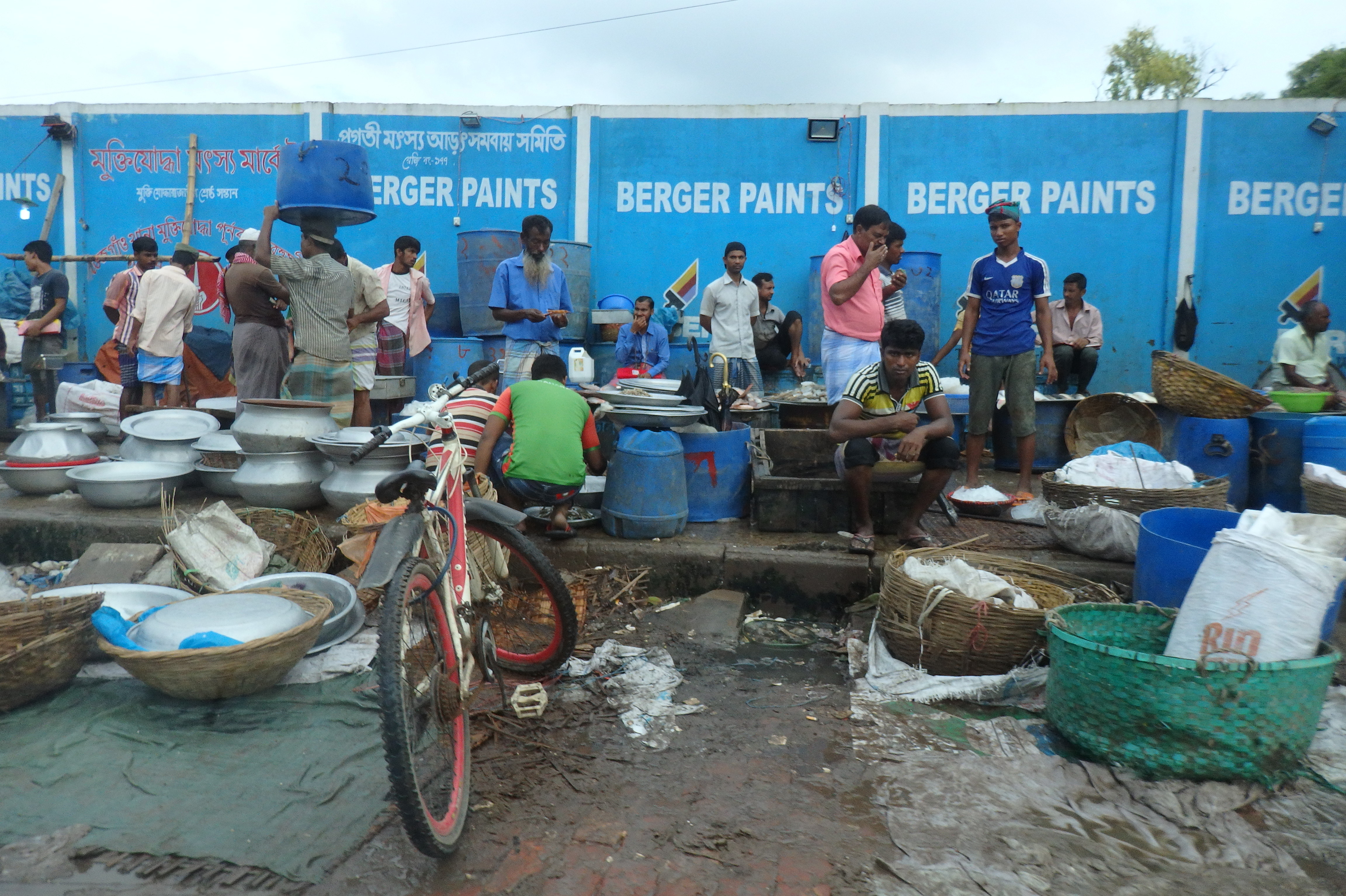
At the fish counters, pangas was selling at Tk 170-200 a kilogram, pabda at Tk 400-530 and koi at Tk 250-350. Rui cost Tk 320-420 a kilogram, tilapia Tk 200-280, catla Tk 340-440 and shing Tk 340-640.
Most of these are farmed fish. The Department of Fisheries (DoF), in its Yearbook of Fisheries Statistics of Bangladesh 2023-24, published in December 2024, puts the country's total fish production in 2023-24 at 50.18 lakh tonnes, of which aquaculture accounted for 59.34 percent. On the basis of pond production, it names the top eight species as pangas, tilapia, rui, silver carp, mrigal, catla, common carp and koi.
The yearbook's species table for the country's inland waters in 2023-24 gives rui at 512,936 tonnes, tilapia at 439,678 tonnes, pangas at 418,629 tonnes, catla at 319,178 tonnes and koi at 79,913 tonnes, with shingi and magur counted together at 112,663 tonnes. Of the pangas, 404,963 tonnes came from ponds. The DoF adds that the farming of valuable, nutrient-rich indigenous species such as koi, shingi, magur, pabda, gulsha and mola had drawn special attention among farmers.
The size of the winter vegetable harvest
The vegetables in the report are grown on a large scale. The BBS yearbook puts total winter vegetable production in 2023-24 at 3,954 thousand tonnes from 770 thousand acres, against 3,668 thousand tonnes in 2022-23 and 3,459 thousand tonnes in 2021-22. Among the crops in the Jagonews24 price list, rabi aubergine gave 485 thousand tonnes from 86 thousand acres in 2023-24, cauliflower 430 thousand tonnes from 58 thousand acres, radish 376 thousand tonnes from 66 thousand acres, beans 226 thousand tonnes from 63 thousand acres and turnip (shalgom) 10 thousand tonnes from 3 thousand acres.
Two of the dearest items on the list, okra and pointed gourd, are counted as summer vegetables in the same BBS table, which gives 99 thousand tonnes of okra (lady's finger) and 131 thousand tonnes of patal in 2023-24. Banglapedia likewise describes okra as grown in almost all parts of the country during the summer and rainy season.
Banglapedia names cabbage, cauliflower, tomato, brinjal, radish, hyacinth bean and bottle gourd as the major winter vegetables of Bangladesh. Cauliflower, it says, is a winter crop whose 30-day-old seedlings are best transplanted in October and November, with early, mid-season and late varieties grown; radish is commonly a winter crop, though it can be grown to some extent in summer; and brinjal is planted in October and November and is ready for harvest in 90 to 100 days. Some vegetables are concentrated where conditions favour them: the encyclopaedia names pointed gourd in Bogra, hyacinth bean in Chittagong, early cauliflower in Tangail, and tomato in Jessore and Nawabganj.
The potato, which had risen slightly in the Dhaka markets, is widely cultivated in all districts of Bangladesh during winter, according to Banglapedia. Most varieties are harvested in February and March, it says, though in certain northwestern areas farmers plant potatoes as early as October to harvest the crop early.
Karwan Bazar and the markets a fortnight earlier
Karwan Bazar, the first market on the reporter's round, is a wholesale market near the Farmgate area of Dhaka. Banglapedia records that it has separate blocks for wholesale trade in fish, vegetables and rice, that fish, vegetables and other products are brought to it from all over Bangladesh, and that every night hundreds of trucks bring goods to its shops. Its traders supply vegetables, fish and other agricultural goods to smaller markets in Dhaka and its suburbs.
The head office of the Trading Corporation of Bangladesh (TCB), the state-owned trading enterprise under the Ministry of Commerce, is also at Karwan Bazar. Banglapedia lists among the TCB's functions keeping a watch on the supply and price situation of essential goods, and selling sugar, lentils, soybean oil and gram to low-income people through its dealers.
Two weeks before the Jagonews24 report, Dhaka's markets had looked very different. A bdnews24.com market report published on 27 December 2025 found most winter vegetables selling at Tk 20-60 a kilogram as supplies grew. Tomatoes were then about Tk 80 a kilogram, down from Tk 100-120 the week before, a cauliflower cost Tk 20 a piece at Shonir Akhra, and seeded beans had come down to Tk 50 a kilogram from Tk 80. Traders told bdnews24.com that old potatoes had become cheaper because of higher production that year. The same report quoted TCB data putting local onion prices in Dhaka at Tk 60-140 a kilogram.
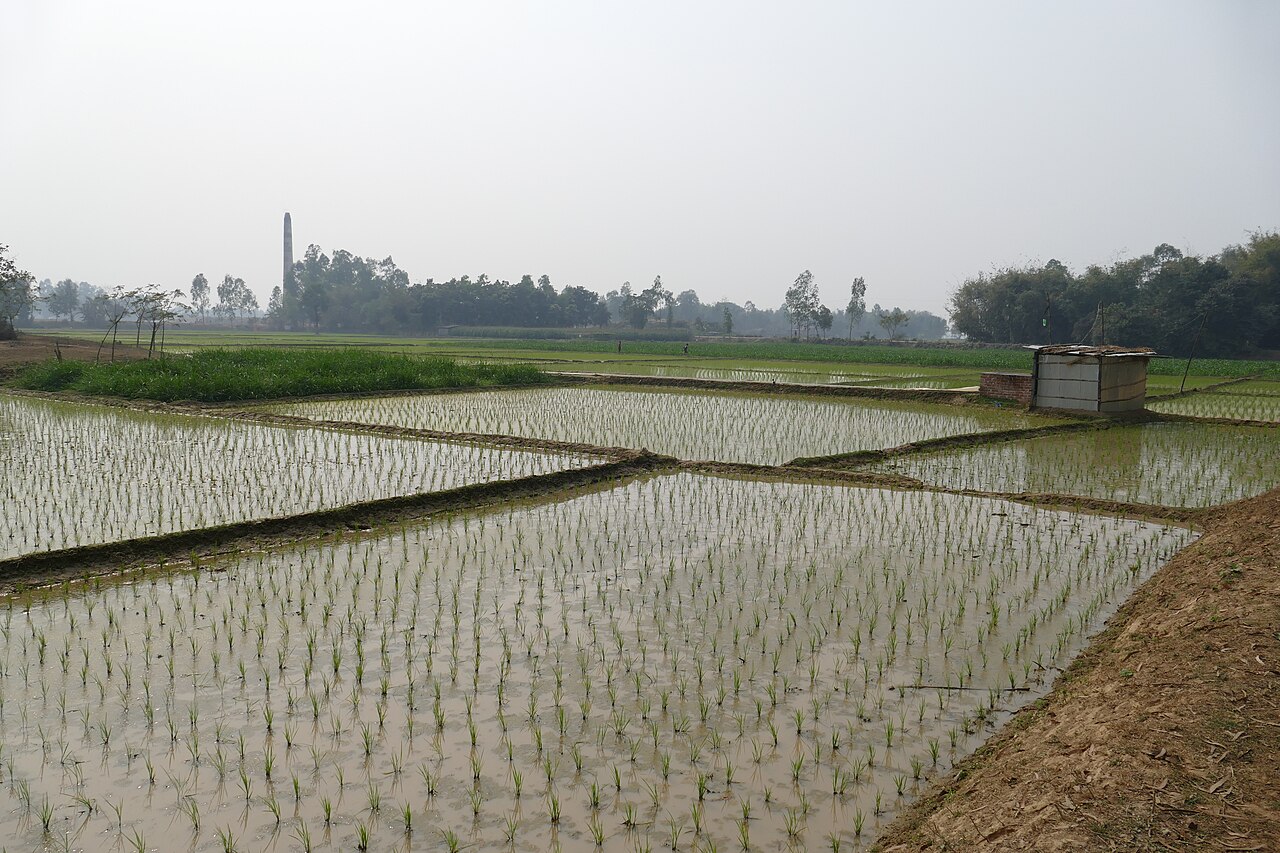
Photo: Yahya / Wikimedia Commons (CC BY-SA 4.0)
Sources: Jagonews24, bdnews24.com, The Business Standard, Bangladesh Bureau of Statistics (Yearbook of Agricultural Statistics 2024), Department of Fisheries (Yearbook of Fisheries Statistics of Bangladesh 2023-24), Department of Livestock Services (Livestock Economy at a Glance 2024-25), Government of Ontario, Livestock Research for Rural Development, Banglapedia
Comments
(0)