
Prices of rice and other daily essentials have risen, and uncontrolled prices are squeezing the urban poor. Farmers, workers, professionals and others on limited incomes are suffering.
A meeting at the Secretariat last Monday on rising commodity prices discussed ways to bring them down, but there has been no effect on the market yet.
Making ends meet
Mojibur works as a security guard at Shah Alibagh in Mirpur in the capital and earns Tk 10,000 a month in all. Tk 6,000 goes on rent and he runs his household on Tk 4,000: Tk 3,000 for the month's shopping, including rice and lentils, and Tk 1,000 for his son's education. But essentials are now so expensive that he can hardly manage on this money. Mojibur said his pay had not risen by a single taka in the past two years because of coronavirus, yet he was struggling on.
Soybean oil that sold for Tk 148 rose to Tk 158 within 10 days. Coarse lentils went from Tk 70 to Tk 90. Sugar has risen by Tk 20 a kg, and the prices of atta, flour, ginger, garlic and almost every other essential have gone up.
Trading Corporation of Bangladesh (TCB) figures show that coarse rice has risen 31 per cent over a little more than a year. Loose atta is up 20 per cent, lentils 30 per cent, sugar 19 per cent and oil 43 per cent. A 5-litre bottle of soybean oil that cost Tk 500 last year now costs Tk 750. Vegetables, fish and meat are also getting dearer, and broiler chicken, which sold for Tk 120-140 a kg, has now reached Tk 180.
Vegetable prices
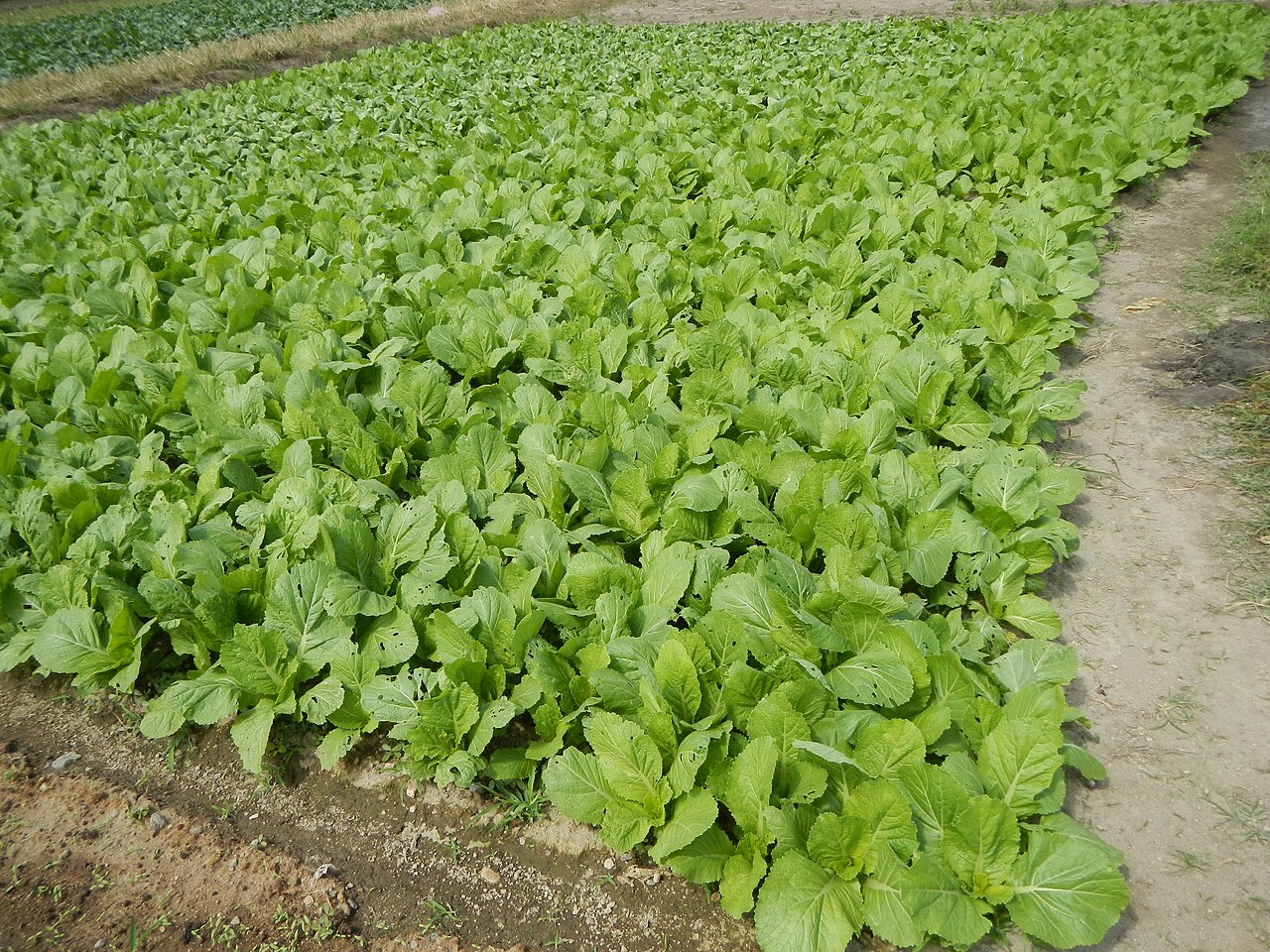
Early winter beans are selling at Tk 80-100 a kg, the same as last week. Ridge gourd sells for Tk 40-50 a kg, small cauliflowers and cabbages for Tk 30-50 each and radish for Tk 50-60 a kg, with little change over the week. Prices of snake gourd, yardlong beans, okra, pointed gourd and bitter gourd are also unchanged: bitter gourd Tk 60-80, snake gourd Tk 50-60, pointed gourd Tk 50-60, okra Tk 40-60 and yardlong beans Tk 70-80 a kg. Green bananas sell for Tk 30-35 per four, red amaranth for Tk 10-20 a bundle, radish greens for Tk 15-20 and water spinach for Tk 5-10 a bundle, also unchanged.
Md Jewel, a trader in Rampura, said: "There is no shortage of vegetables in the market, but everything is expensive at the wholesale depots. Because we buy at high prices, we have to sell at high prices. But supplies of beans, radish, cauliflower and cabbage are rising day by day, so we hope vegetable prices will come down within a few days."
Minister and analysts
Speaking at a World Food Day event at Khamarbari in the capital on Friday, the agriculture minister said there was no longer any outcry over food and no food crisis in the country, though food prices were a little high. Food prices depend on the international market, he said, and international prices affect the local market. Although rice prices are a little high, there is no instability over rice.
Mostafizur Rahman, special fellow at the private think tank Centre for Policy Dialogue (CPD), told Amader Shomoy that many who lost their jobs during the pandemic had still not returned to work, and those who had were not back where they were before. Remittance inflows are also falling. With living costs rising, people on fixed incomes and those in informal work are hit hardest because their purchasing power has fallen.
Palash Mahmud, executive director of the consumer rights group Conscious Consumers Society (CCS), said there was no gas shortage, so why gas prices were being raised needed to be examined. Middle and low-income families were suffering badly, and the government should bring prices to a bearable level even if it meant subsidising gas.
Source: Amader Shomoy. First published in Bengali on The Agro News.

Comments
(0)