
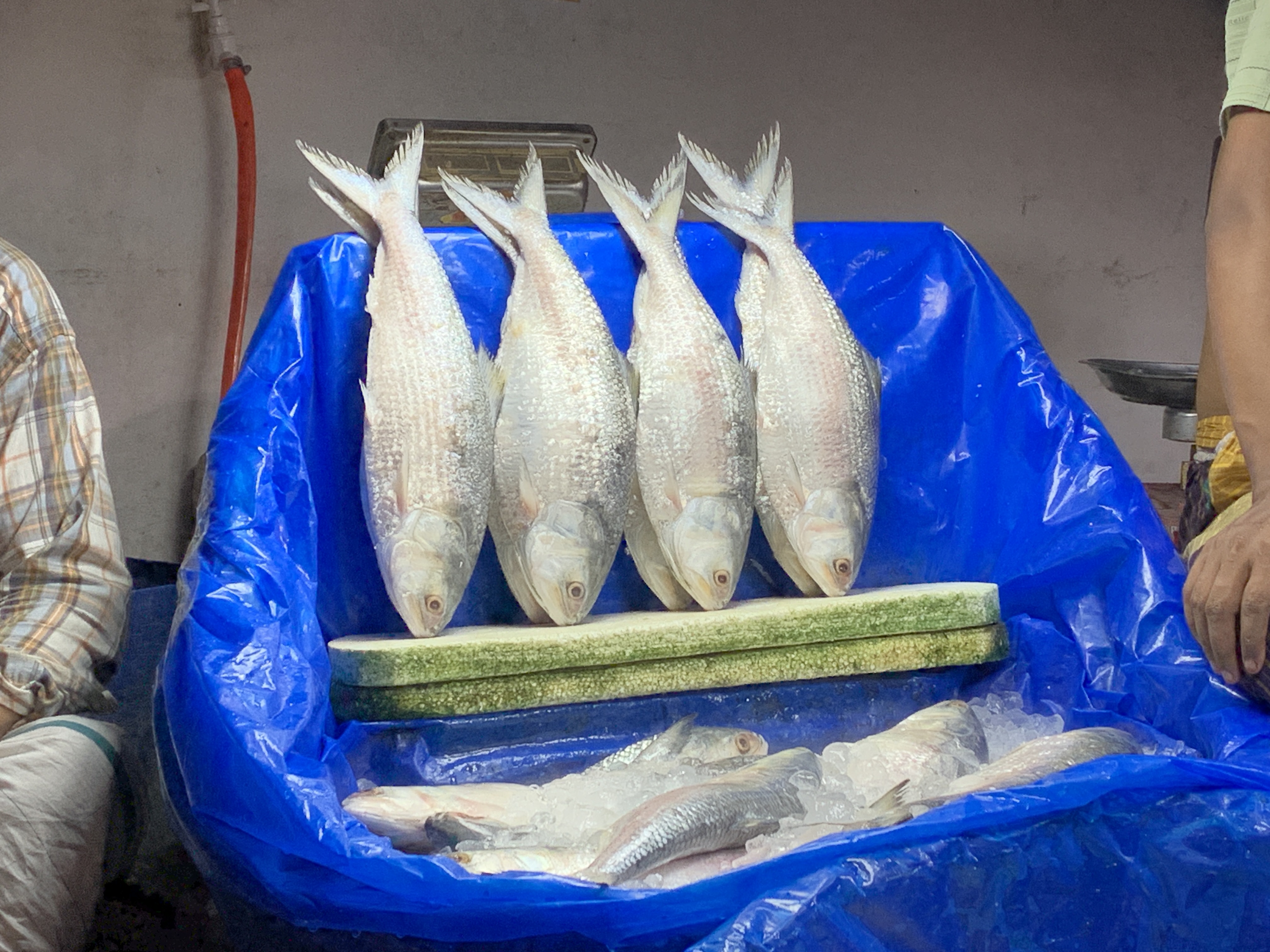
On Monday 14 April 2025, the day of Pahela Baishakh, hilsa prices at Rampura, Malibagh Hajipara and Shantinagar markets in Dhaka were somewhat lower than the day before, Jagonews24 reported. After an abnormal rise around the Bengali New Year, big hilsa fell by up to nearly Tk 1,000 a kg. Even so, fish of 1kg or more still cost Tk 2,400 to Tk 2,800 a kg, and small hilsa remained expensive, keeping the fish out of reach for low-income families.
What each size of hilsa cost
Across the capital's markets that day, hilsa of 1kg or slightly larger sold at Tk 2,400 to Tk 2,600 a kg, down from Tk 3,000 to Tk 3,400 the day before. Fish of 600 to 800 grams cost Tk 1,600 to Tk 2,000 a kg (previously Tk 2,000 to Tk 2,400). Hilsa of 300 to 500 grams sold at Tk 1,200 to Tk 1,400 (previously Tk 1,300 to Tk 1,500), and smaller fish at Tk 700 to Tk 900.
At Shantinagar, hilsa of 1kg or a little more were priced at Tk 2,500 to Tk 2,800 a kg and medium-sized fish at Tk 1,600 to Tk 1,800. Md Aslam, a seller at Rampura, said fish he had sold for Tk 2,200 a kg the day before were going for Tk 1,800. At Malibagh Hajipara, a trader named Kamal was selling small hilsa at Tk 1,200 a kg, down from Tk 1,600. Subal, a seller at Shantinagar, said hilsa that fetched Tk 3,400 a kg the day before were selling for Tk 2,500.
Festival demand and thin supply
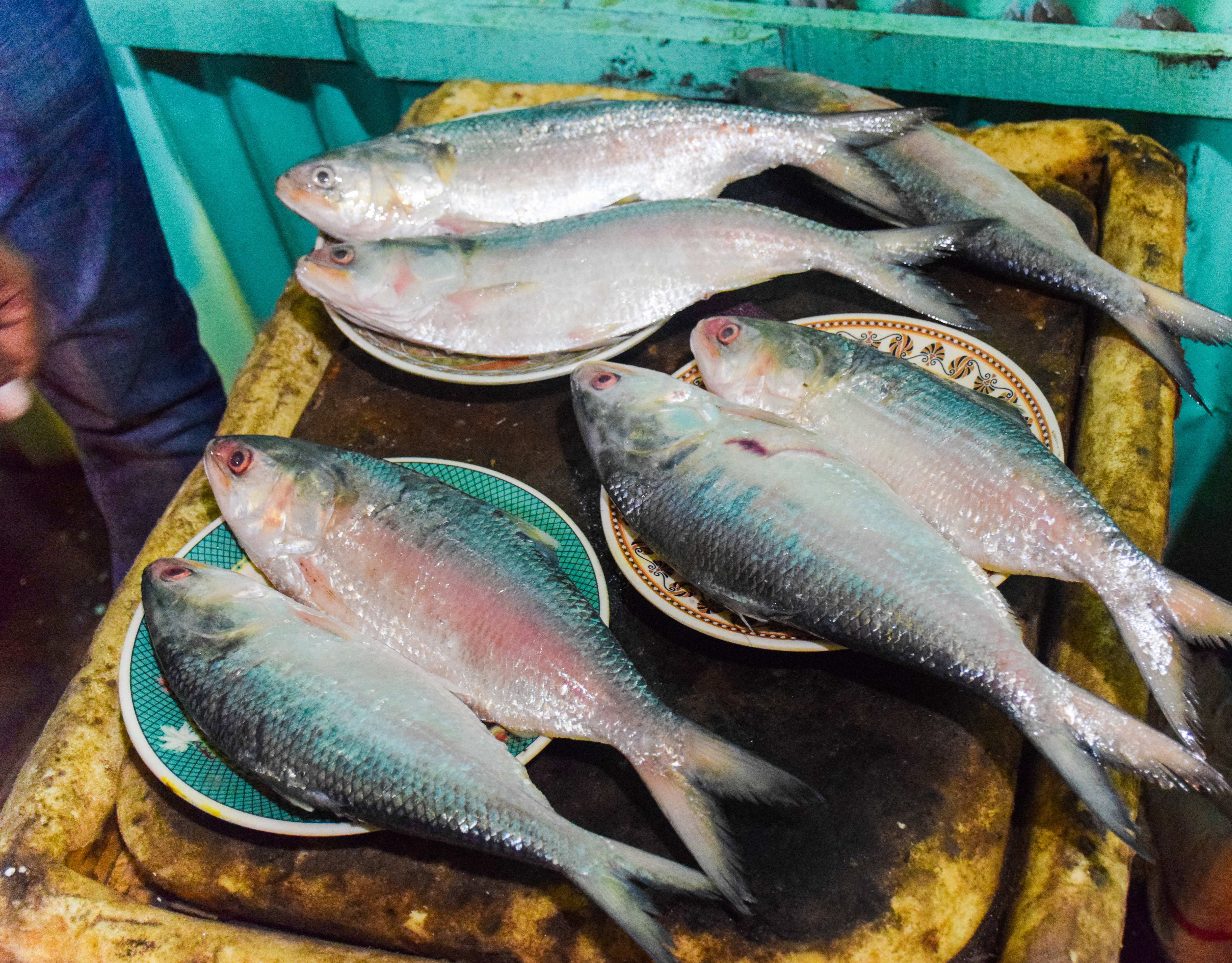
Sellers gave two reasons for the high prices: extra demand for Baishakh and a short supply of fish. Sales stayed slow despite the fall. Subal thought those who wanted hilsa for the festival had already bought it, while others were waiting for prices to drop further. Aslam, Kamal and Subal all expected little further fall, because supply was low.
The pressure had been building for days. The Daily Star reported on 10 April 2025 that demand for hilsa soars in the week before the Bangla New Year. At Karwan Bazar, cold-stored hilsa of 1kg to 1.5kg were then selling at Tk 1,800 to Tk 2,200 a kg, while fresh fish of that size, preferred by most buyers, were hard to find and cost at least Tk 3,000 a kg at wholesale markets.
Fishing bans in the sanctuaries and at sea
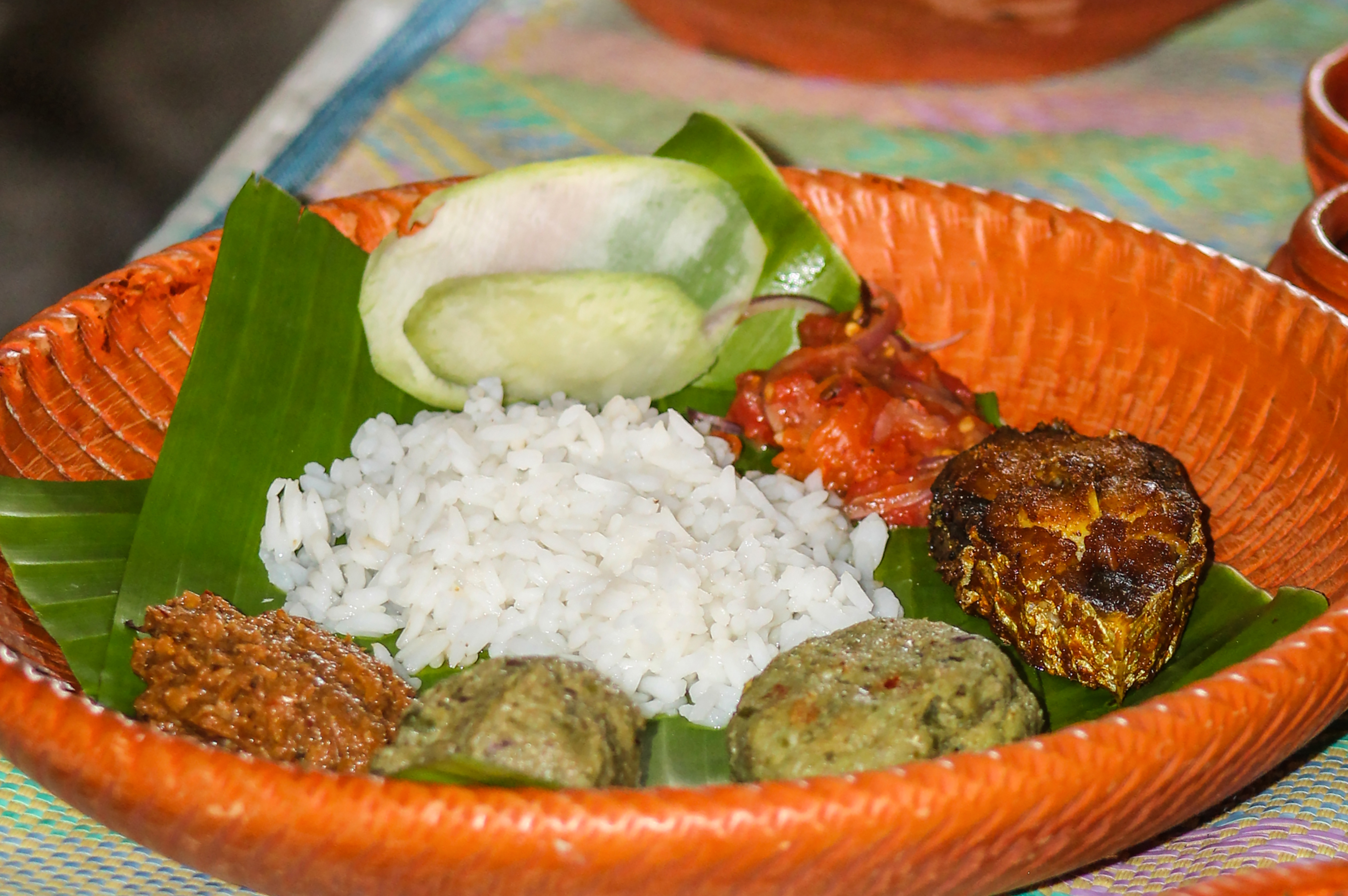
Subal said a fishing ban would begin the next day and fresh fish would become hard to find. Under a gazette notification of the Fisheries and Livestock Ministry dated 19 March 2025, catching any kind of fish with any kind of vessel in Bangladesh's maritime zone was banned for 58 days, from 15 April to 11 June, under the Marine Fisheries Rules 2023. The state news agency BSS reported that the annual ban aims at proper breeding, production, conservation and sustainable harvest of marine fish.
River fishing was also restricted. In The Daily Star's report, Abdul Salam, president of the Barishal Fish Wholesale Market Association, said fishing was banned in six hilsa sanctuaries from 1 March to 30 April, so fishermen were casting nets in other areas where catches were much smaller. According to Banglapedia, hilsa is Bangladesh's national fish; it migrates from the sea up the rivers to spawn, and the young fish, known as jatka, descend to the sea to grow.
Buyers still unhappy
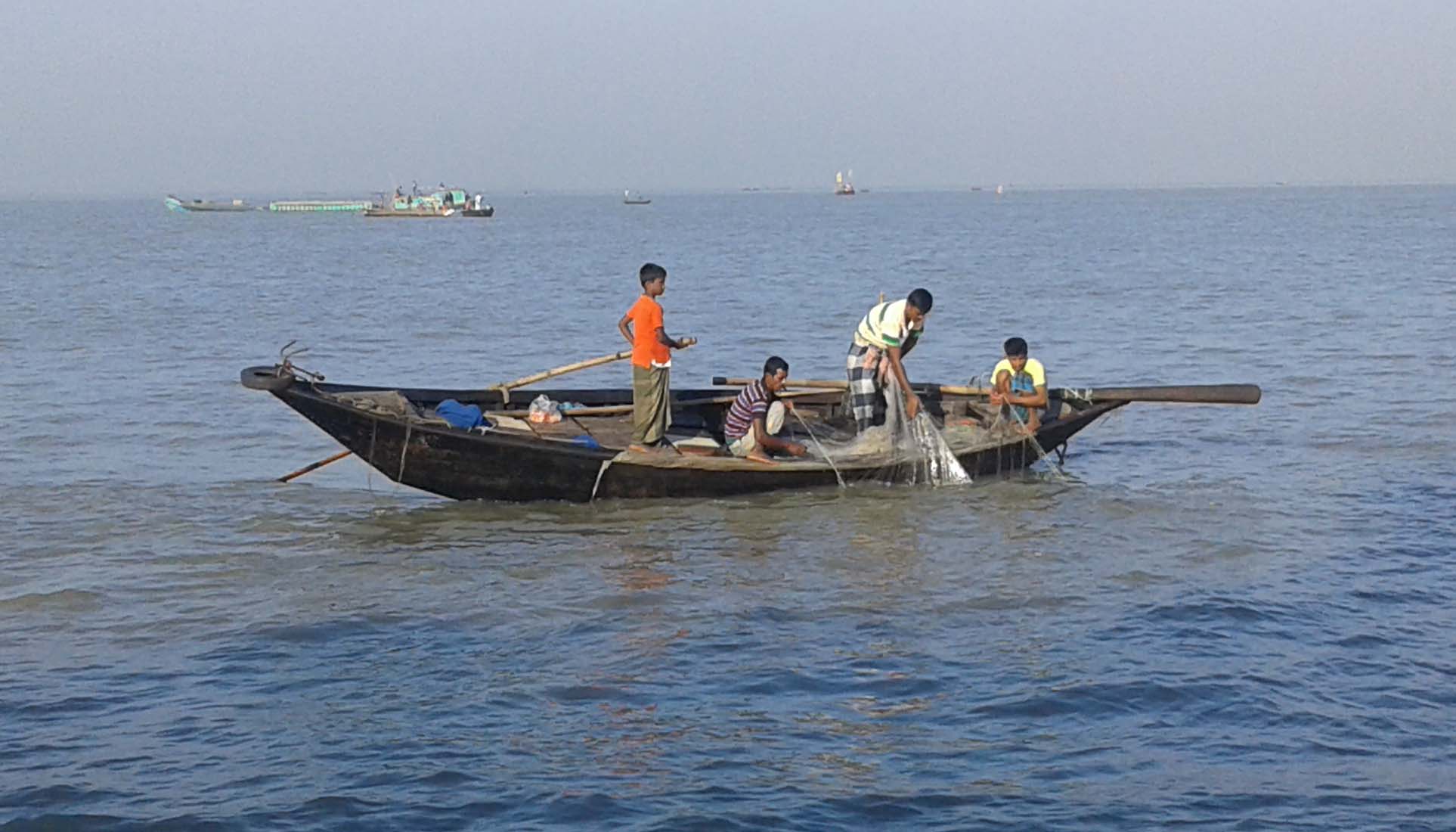
Buyers were not satisfied with the lower prices. Md Moniruzzaman, a private-sector employee at Rampura, said he had wanted fried hilsa, but good fish could not be had for under Tk 2,000 a kg, so he was going home without any. At Hajipara, Amena Khatun said small hilsa weighing no more than 200 grams were being offered at Tk 1,100 a kg, and the ones offered at Tk 800 were rotten. She too left empty-handed.
Md Saiful Islam, a shopper at Shantinagar, had bought a 1.1kg hilsa the day before at Tk 3,300 a kg. Finding the same kind at Tk 2,600, he bought another. The price still seemed high, he said, but his children love hilsa, so he had to pay extra.
Photo: DelwarHossain / Wikimedia Commons (CC BY 4.0)
Sources: Jagonews24, The Daily Star, Bangladesh Sangbad Sangstha (BSS), Jagonews24 English edition, Banglapedia
Comments
(0)