
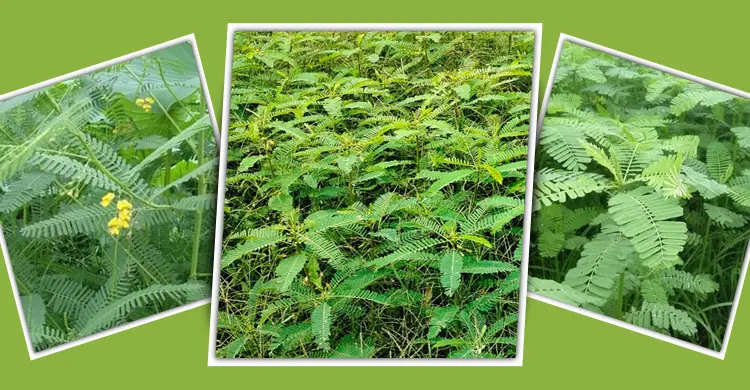
Dhaincha was once one of the regular crops on farmland. Farmers routinely used it as green (organic) manure to bring life back to the soil. But with time, as hybrid crops and chemical fertilisers spread, dhaincha cultivation has almost disappeared.
As a result the soil is gradually losing its natural vitality. If this continues, it will lose its natural fertility, the use of chemical fertilisers and pesticides will rise, and so will the cost of farming.
Memories of green fields
Recalling the past, Mostafa Sheikh, a marginal farmer of 6 No Koyra in Koyra Sadar, said their fathers and grandfathers grew dhaincha once every year. Within about a month the fields would be covered in green seedlings. How beautiful the soft, green dhaincha fields were, he said.
The dhaincha was cut, scattered over the whole field and ploughed into the soil, he said. Within a week it rotted and mixed with the earth, meeting the need for organic manure, and crops then grew plentifully on that land. But times have changed, and the use of green manure and cow dung on the land has stopped.
Officials urge a return
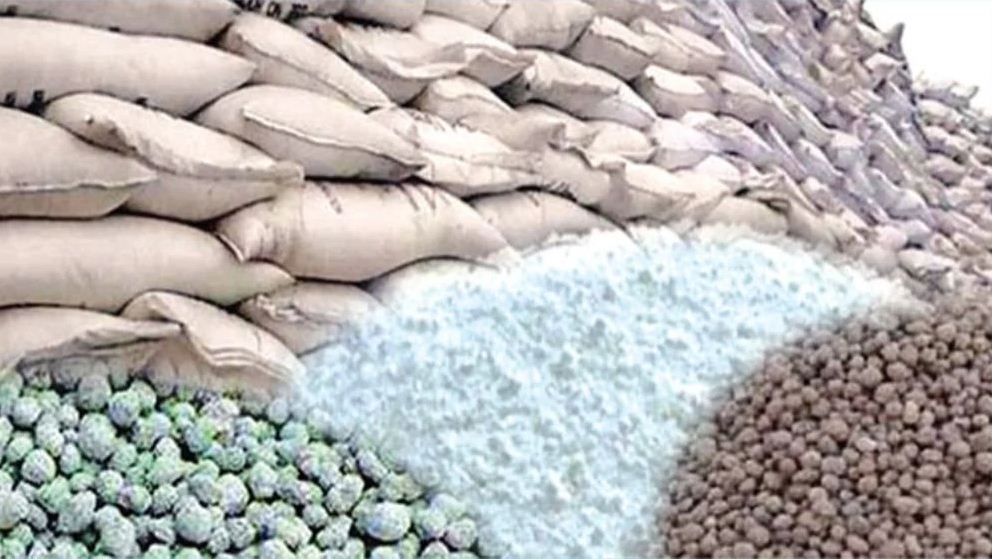
Anutap Sarkar, sub-assistant agriculture officer in Koyra upazila, said that although the use of dhaincha has fallen, it has not stopped entirely. With modernisation, farmers in this remote area are reluctant to grow dhaincha because they can get fertiliser from the market without the labour.
He said the agriculture office is advising farmers in the field to use more natural green manure such as dhaincha, and farmers are regularly being told about the harm caused by chemical fertilisers, seeds and pesticides.
Research has shown that if chemical fertiliser use is reduced on farms, insects, earthworms and other creatures beneficial to crops will multiply in the soil. That will greatly lower the production cost of fruit and crops, and consumers will benefit along with farmers.
Source: Jagonews24. First published in Bengali on The Agro News.

Comments
(0)