
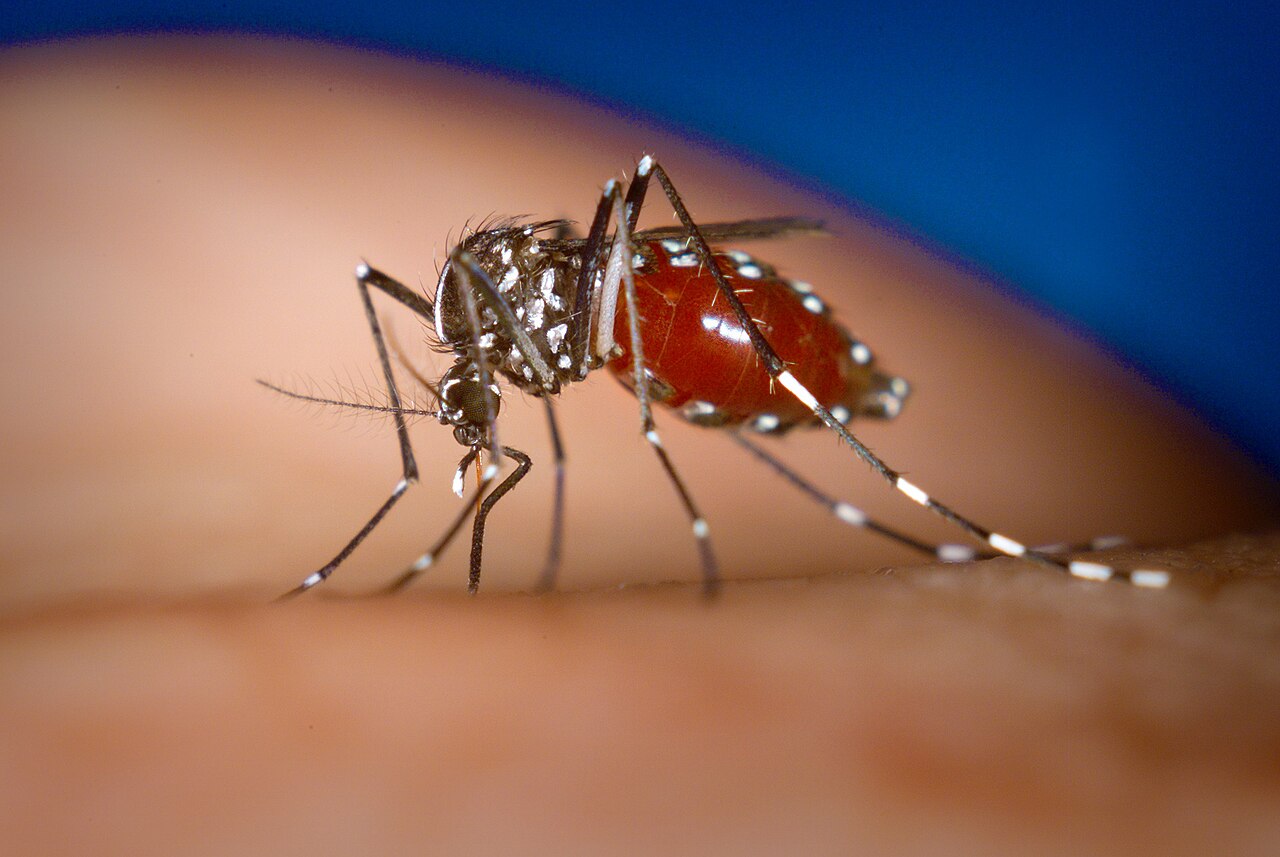
The belief that a falling fever means a dengue patient is recovering can be dangerously wrong, family physician Dr Tarek Salahuddin writes in Prothom Alo. The time the fever comes down is often the riskiest, because a critical phase of 24 to 48 hours can begin, during which plasma leaks out of the blood vessels.
Plasma is the liquid part of the blood. In severe dengue the walls of the tiny blood vessels become temporarily more permeable, so plasma escapes into the tissues, around the lungs or into the abdomen. The blood thickens and blood pressure can fall, leading to dengue shock, in which the kidneys, liver, brain and heart do not get enough blood and oxygen. In severe cases several organs can fail and the patient can die.
Patients and families tend to watch only the platelet count, the doctor says, but the hematocrit, the share of red blood cells in the blood, is more useful for judging severity: it can rise as plasma leaks out. Blood pressure, pulse pressure, urine output, circulation in the hands and feet and the patient's overall condition also need to be checked.
He also warns that the answer is not simply to put up a saline drip. Too little fluid during leakage can cause shock and organ damage, while too much can later lead to fluid overload, water on the lungs, breathlessness or heart complications. Once the leak stops, the escaped fluid returns to the circulation, and extra saline given earlier then adds to the danger. The principle is the right amount at the right time, with frequent reassessment; a patient who can drink enough may not need intravenous fluids at all.
Many people fall ill again after the fever drops or after leaving hospital. Dr Salahuddin advises seeing a doctor without delay if, after the fever falls, there is severe abdominal pain, repeated vomiting, unusual drowsiness or restlessness, cold hands and feet, breathlessness, bleeding, dizziness or reduced urine.
This report is based on an article in Prothom Alo by Dr Tarek Salahuddin, family physician at the Bangladesh Cancer and Palliative Care Centre, Dhanmondi.
Photo: James Gathany, CDC / Wikimedia Commons (public domain)
Source: Prothom Alo

Comments
(0)