
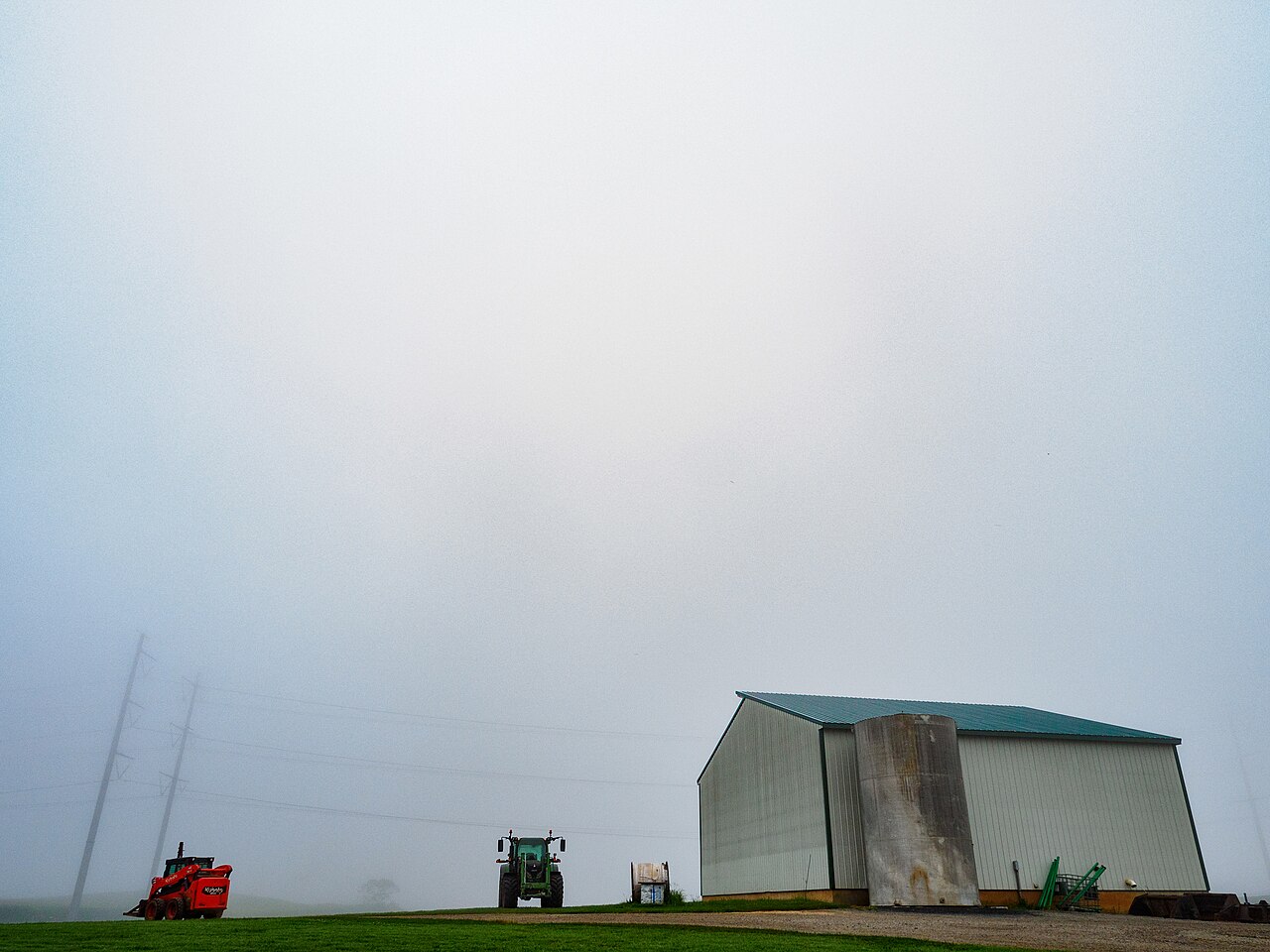
US dairy farmers could receive Dairy Margin Coverage payments as early as this month as rising feed costs eat into their margins, making the coming months important for locking in risk protection, according to Andy McCarty, dairy business adviser for Land O'Lakes.
"September, October and November could see potential [Dairy Margin Coverage] payments," McCarty told the annual Dairy Financial and Risk Conference. The first step, he said, is one often skipped: knowing the farm's cost of production, and in particular its Class III and Class IV breakevens, without which a farmer cannot tell whether a market price is good or bad.
Dairy Margin Coverage pays when the monthly margin between the US all-milk price and average feed costs falls below the level a producer has chosen. McCarty called it "the umbrella" every producer should sign up for. Last year's One Big Beautiful Bill let farms update their production history: those marketing milk on or before 1 January 2023 use the highest of their 2021, 2022 or 2023 marketings, while newer farms use their first year's marketings. The next sign-up is expected to open in January and usually closes in mid-February. January and February were the last months enrolled farms received an indemnity.
Dairy Revenue Protection sets a floor under quarterly milk revenue using Class III and Class IV futures and regional production data, leaving the upside to the farmer; cover is bought per quarter, up to five quarters ahead, and must be purchased 15 days before a quarter begins. Livestock Gross Margin for dairy protects the margin between Class III milk and corn and soybean meal costs and can now be combined with other programmes on different milk volumes, though McCarty said its Class III basis makes it a better fit for the Upper Midwest than for Northeast farms in Federal Order 1.
The newest tool, Livestock Risk Protection, introduced in 2024, lets farmers set a minimum price for cull cows and calves, including beef-cross calves; its termination date has been extended to 30 September from 31 August. Futures and options remain available to producers who want to fine-tune their plans.
McCarty's advice is to start with Dairy Margin Coverage and layer targeted cover on top, without forgetting feed, the largest cost on a dairy farm. "Match the coverage to your breakevens, not just the cheapest product out there," he said.
The report was written by Chris Torres, editor of American Agriculturist.
Photo: USDA / Wikimedia Commons (Public domain)
Source: Farm Progress
Comments
(0)