
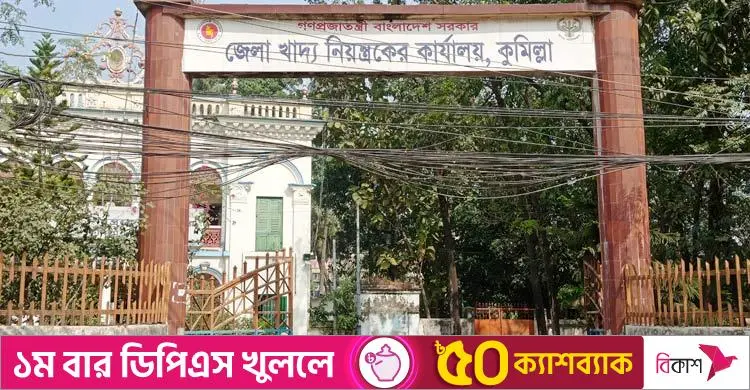
More than two and a half months of the current Aman season have passed, yet the district food department has not been able to procure a single grain of paddy for its 14 food godowns across the 17 upazilas of Cumilla. With about a month of the procurement period left, there is uncertainty even about partly meeting the target, let alone achieving it.
People involved in paddy and rice procurement say this year's devastating flood caused extensive crop damage in Cumilla, so farmers could not harvest the Aman yield they expected. At the same time, paddy prices on the open market are higher than the government-fixed price, making farmers reluctant to sell to the government. That is why paddy procurement in Cumilla still stands at zero.
According to sources, the government target for the district this season was 2,834 tonnes of paddy. The paddy and rice procurement drive began on 17 November last year and will run until 28 February, but not a single grain of paddy has been procured so far.
Rice target expected to be met
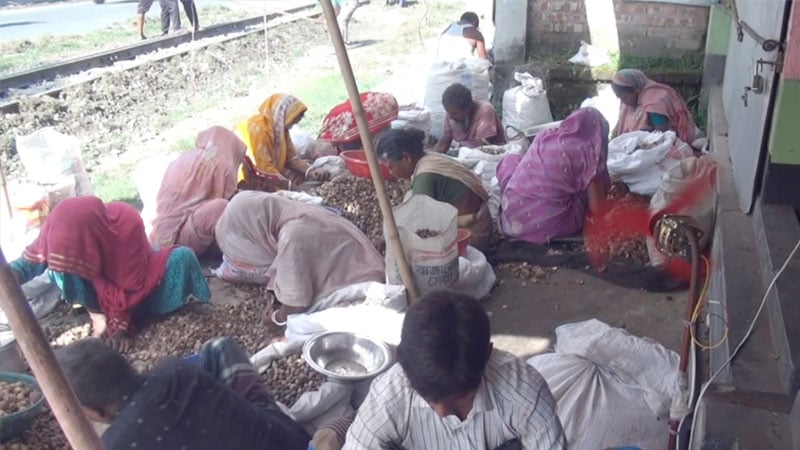
A target of 12,036 tonnes of rice was set for the same period. Accordingly, the district food department signed contracts with 65 of Cumilla's 84 mills to procure 10,737 tonnes of rice. Up to Thursday 6 February, only 8,036 tonnes of rice had been delivered to government warehouses. Even so, the food department is hopeful that the rice target will be met even though no paddy has been procured.
Rice mill owners say the devastating flood of August 2024 caused widespread crop damage in Cumilla and across the country, leaving farmers with heavy losses in paddy production. That has created a shortage of paddy on the market, forcing them to buy paddy at higher prices.
According to the mill owners, once transport, labour and electricity costs are included, producing a kilogram of rice from the paddy they buy costs Tk 5 more than the government-fixed price. Even so, they say, they are being forced to supply rice to government warehouses at a loss.
Abu Yusuf Bachchu, president of the Cumilla District Rice Mill Association, told Jago News: "Many mills in Cumilla have closed because of the paddy shortage. The price the government has set for buying rice from millers does not match the cost of production. It costs us Tk 52 to produce a kilogram of rice, but the government has set the price at Tk 47. It is not possible for us to supply rice to the godowns at this price. Even so, mill owners are having to supply rice in the hope of getting their security deposits back."
Flood cut the Aman harvest
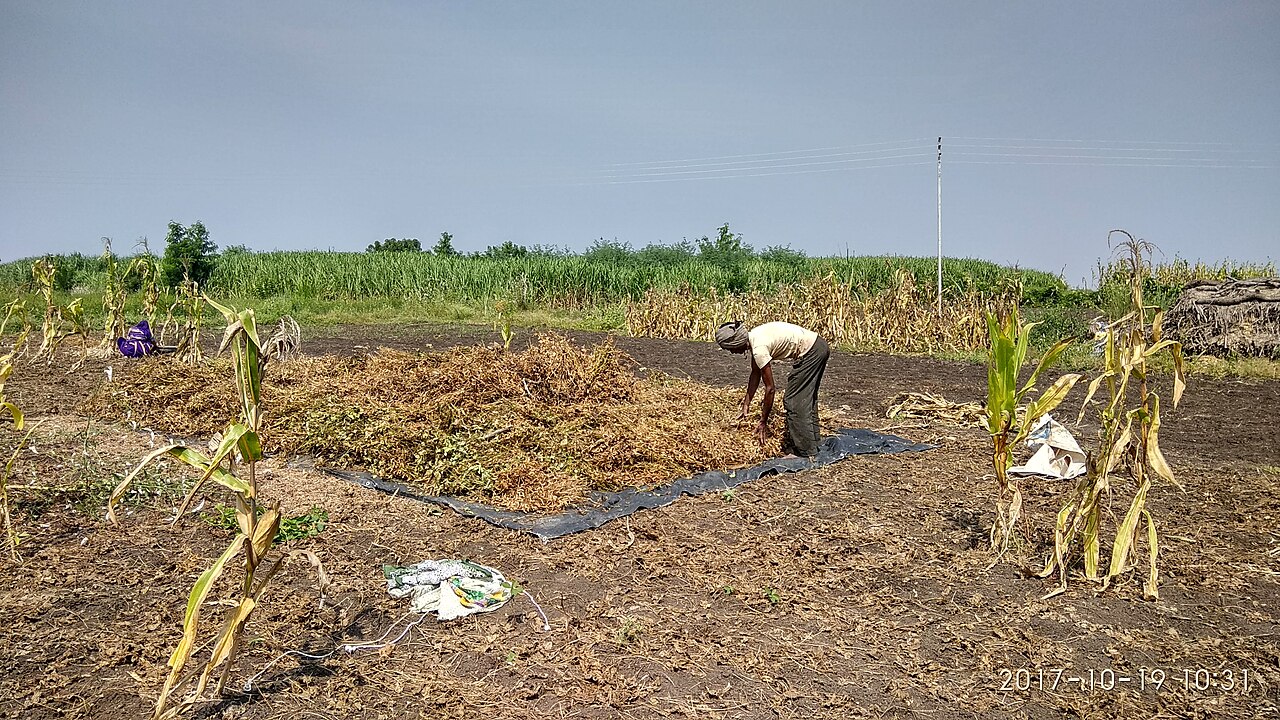
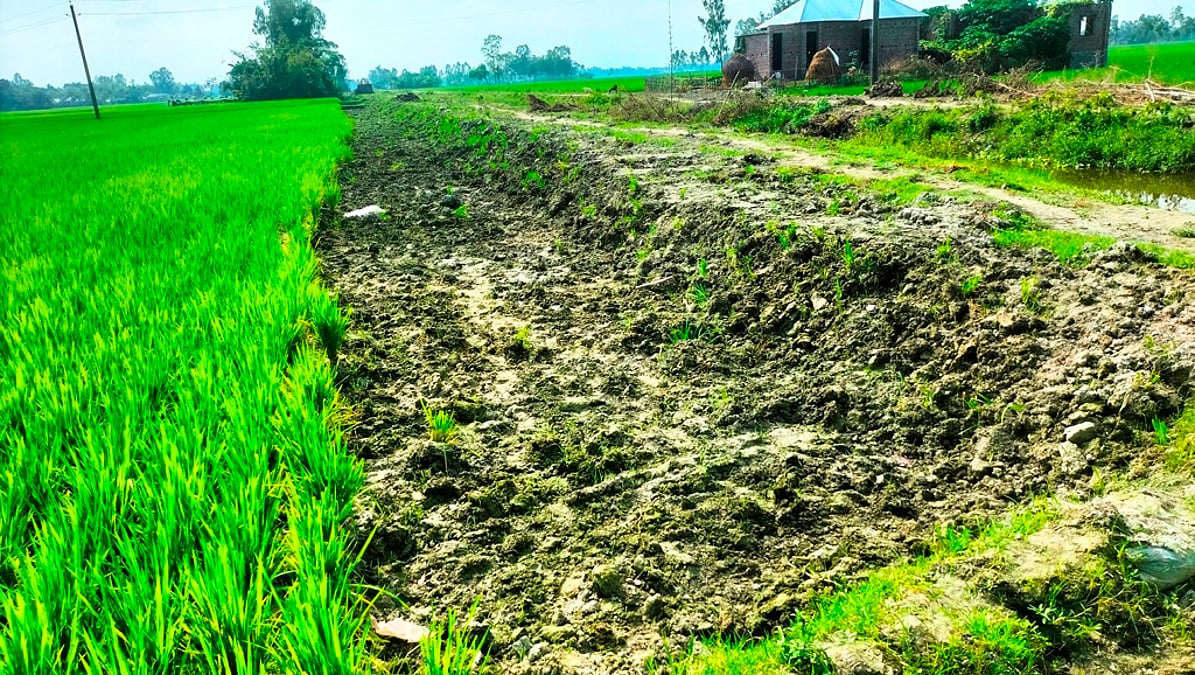
According to the district agricultural extension office, Aman paddy was cultivated on 135,238 hectares in the district this year, of which 49,608 hectares were damaged by the flood. The district has 435,694 farmers. After the flood, affected farmers were given paddy seed, seedlings and fertiliser as incentives. The Aman production target for Cumilla was 341,957 tonnes, but only 188,750 tonnes of paddy was achieved.
Saleh Ahmad, a farmer in Nangalkot upazila, told Jago News: "If you sell paddy to a government godown, it takes time to get paid. Besides, the price of a maund of paddy is set Tk 150 to 200 below the market price. That is why farmers do not want to sell paddy to government godowns. That is the reality. The government should set the paddy price in line with the market price. Then there will be no shortage of paddy in the godowns."
Abdul Jalil, a farmer in Muradnagar, said: "For government procurement, there is a requirement that moisture must be below 14 percent. This rule is not followed at markets or wholesale depots. If we call the traders, they weigh the paddy at our homes and take it away after paying cash. Even at the market we get paid on the spot. Selling paddy to a government food godown involves all kinds of hassle. So we sell to local traders."
Abdur Rashid, a farmer from Batisa Sonapur village in Chauddagram, said: "This year's flood destroyed everything. The little paddy I got will not even feed my own family. How will I sell to the government? In a month or two, we will instead have to buy rice from the market to eat."
Food controller sees no chance of procurement
Nityananda Kundu, acting food controller of Cumilla district, said there is no chance of the government paddy procurement taking place.
Explaining why, he said the government has fixed the price of paddy at Tk 33 a kg this season, but paddy is selling on the open market for Tk 2 to 3 a kg more than that. That is why farmers are selling their paddy at local markets instead of to the government. This year's flood also caused extensive damage to paddy production in Cumilla. For these reasons, there is no chance of the government paddy procurement taking place, he said.
Source: Jagonews24. First published in Bengali on The Agro News.
Comments
(0)