
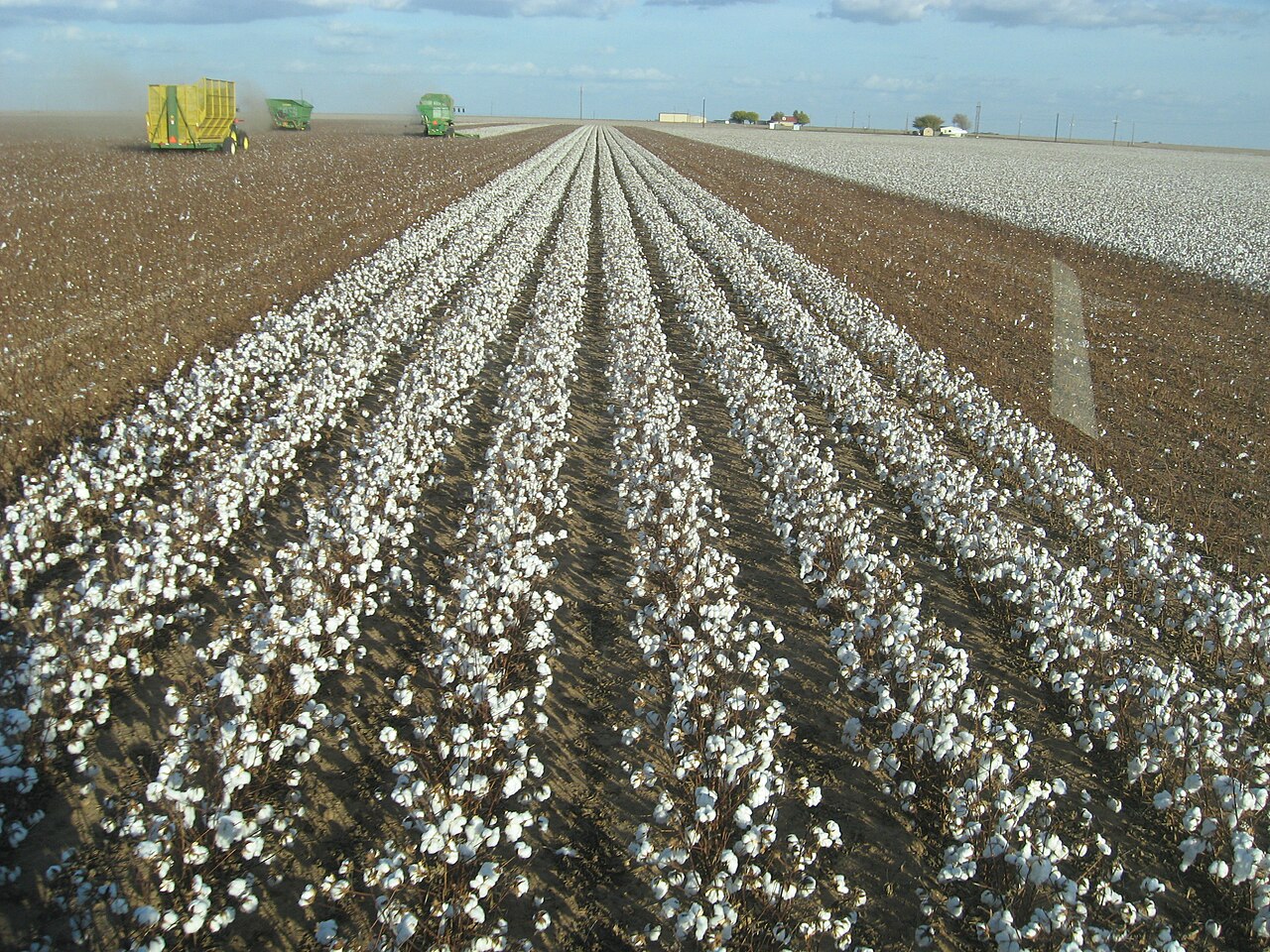
Cotton prices have climbed towards 90 cents a pound in September after a long spell in the 65 to 68 cent range, driven by a tighter global supply, geopolitical factors and export demand, Jon Devine, chief economist at Cotton Incorporated, said during The Cotton Board's latest Cotton and Coffee session.
"Leading up to recent volatility, the cotton market was a pretty boring place. We had prices that were too low for too long," Devine said.
Global ending stocks are expected to fall by 5 million bales from last year because of a production shortfall — the lowest since the 2011-12 crop year. China's output is down 2.3 million bales, Australia's 1.5 million, and the US and Turkey 700,000 each; Brazil expects a smaller drop of 300,000. Australian acreage, nearly all irrigated, has pulled back for lack of water, and El Niño, which began in June, may keep pressure on its crop.
Mill use is expected to reach 123 million bales in 2026-27, above 121 million in 2025-26 — the first time in 20 years that global consumption tops 120 million bales in back-to-back seasons. That has pulled speculators out of the net-short position they held from early 2024 until early 2026.
China changed its support policy in Xinjiang, where 95% of its cotton is grown, in December, and the USDA Foreign Agricultural Service expects its 2026-27 production to fall 5.6% to 32.7 million bales, with hot, dry weather also causing boll drop. China is selling from reserves, and Devine said a key question is whether it will restock from the world market: purchases of 10, 13 and 15 million bales in 2018, 2020 and 2023 pushed prices up.
The report was written by Whitney Shannon for Farm Progress.
Photo: Kimberly Vardeman / Wikimedia Commons (CC BY 2.0)
Source: Farm Progress



Comments
(0)