
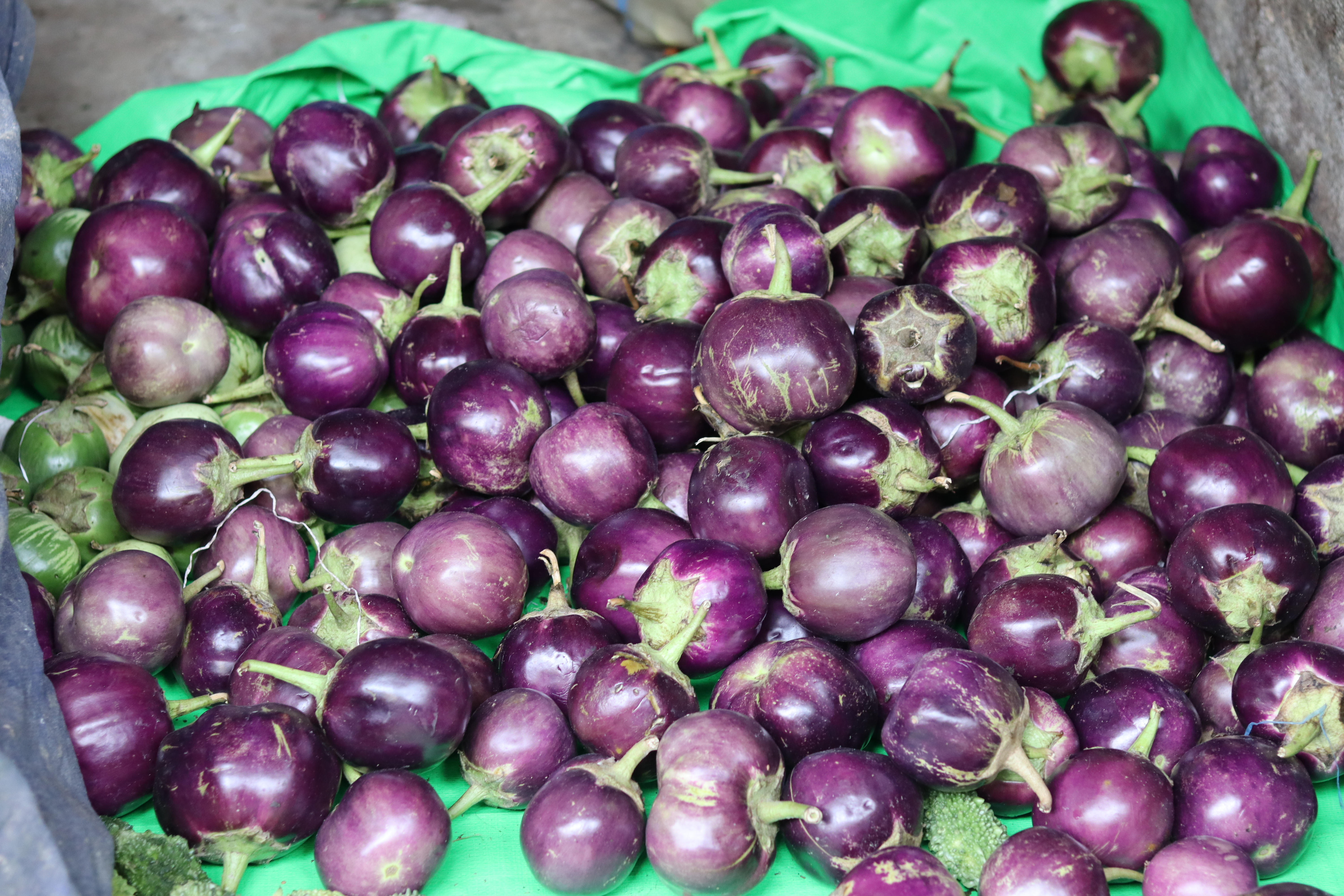
The Directorate of National Consumer Rights Protection (DNCRP) fined 106 business establishments a total of Tk 6 lakh 48 thousand on Wednesday, 25 September 2024, during market monitoring drives in Dhaka city and in districts across Bangladesh. According to the directorate's figures, as reported by Jagonews24 that evening, 54 teams of the directorate ran the drives in 48 districts.
The directorate said the purpose of the day's monitoring was to keep the prices of essential goods stable and their supply normal. It named hilsa, eggs, broiler chicken, onions, garlic, potatoes and edible oil among the products on which the teams concentrated. The drives covered Dhaka city as well as markets at divisional and district level.
What the directorate reported for 25 September
In the Dhaka metropolitan area, eight teams, each led by one of eight officials of the directorate, monitored markets in different parts of the city. Outside the capital, teams worked from the directorate's divisional and district offices. Taken together, the directorate gave three figures for the day: 54 teams, 48 districts and 106 establishments fined, with the fines amounting to Tk 6 lakh 48 thousand.
The report did not name the establishments that were fined, did not break the total down by district or by product, and did not list the specific offences found in each case. The fines are therefore reported here exactly as the directorate gave them, as one nationwide total for the day. The directorate described the work as market monitoring, the routine form of inspection in which its officers visit wholesale and retail markets, check prices and documents, and impose administrative fines where they find a breach of the consumer rights law.
The day's list of products reflected the items whose prices had been in the news through September 2024: eggs and broiler chicken, for which the government had announced fixed prices ten days earlier; potatoes and onions, on which import duties had been cut at the start of the month; and hilsa, the national fish, whose export to India the government had approved four days before the drives.
The directorate and the law behind the drives
The DNCRP is a government directorate created under the Consumer Rights Protection Act, 2009 (Act No. 26 of 2009), which is dated 6 April 2009 and took effect immediately. Section 18 of the Act provides for a directorate named the Directorate of National Consumer Rights Protection, to be established by gazette notification, to assist the national consumer rights council and carry out its decisions. Section 19 places the directorate's head office in Dhaka and allows the government to set up district offices outside Dhaka. Section 20 provides for a full-time Director General appointed by the government.
Above the directorate the Act sets up the National Consumer Rights Protection Council (section 5). The law names the minister in charge of the commerce ministry as its chairman, and its members include the commerce secretary, the Director General of the National Security Intelligence, the Director General of the Bangladesh Standards and Testing Institution (BSTI), and officers of at least joint secretary rank from the ministries of industries, agriculture, fisheries and livestock, food, home affairs and others. This structure reflects the fact that consumer prices and food safety cut across many ministries.
Section 21 sets out what the Director General may do. In addition to the general power to take any step necessary to protect consumers, prevent anti-consumer practices and settle complaints, the Act lists specific tasks, among them coordinating with other agencies, monitoring whether sellers maintain the set standard of a product or service, and monitoring whether weights or measures are being tampered with in the sale or supply of goods. Market monitoring of the kind carried out on 25 September 2024 is the everyday use of these powers.
What inspectors check and the penalties the law sets
The Act defines a set of "anti-consumer rights practices" in section 2. They include selling or offering to sell a product, medicine or service above a price fixed under any law or rule; knowingly selling adulterated goods or medicine; selling food mixed with a substance that is seriously harmful to health and banned by law; deceiving buyers with false advertisements; failing to deliver a promised product or service after payment; selling short weight or short measure; using weights, scales or measuring tapes that show more than the true amount; making counterfeit goods or medicine; and selling goods or medicine past their expiry date.
Chapter four of the Act attaches a penalty to each offence. The ones most relevant to a market drive on food prices are these:
- Failing to keep goods in packaging with the weight, quantity, ingredients, maximum retail price and dates printed where a law or rule requires it (section 37): up to one year in prison, a fine of up to Tk 50,000, or both.
- Failing to display a price list in an easily visible place in a shop or establishment where a law or rule requires it (section 38): up to one year in prison, a fine of up to Tk 50,000, or both.
- Selling or offering to sell goods, medicine or a service above the price fixed under a law or rule (section 40): up to one year in prison, a fine of up to Tk 50,000, or both.
- Knowingly selling adulterated goods or medicine (section 41): up to three years in prison, a fine of up to Tk 2 lakh, or both.
- Mixing a banned harmful substance into food (section 42): up to three years in prison, a fine of up to Tk 2 lakh, or both.
- Selling short weight, or using rigged weights or scales (sections 46 and 47): up to one year in prison, a fine of up to Tk 50,000, or both.
Section 55 doubles the maximum penalty for a person convicted of the same offence again. The Act makes its offences bailable, cognisable and compoundable, and section 57 assigns their trial to first-class and metropolitan magistrates.
Most of the fines imposed in daily drives are not court sentences but administrative penalties. Section 70 allows the Director General or an authorised officer, where an offence under chapter four has been committed, to take administrative action instead of imposing a sentence or filing a criminal case: imposing a fine, cancelling a trade licence, or suspending the business temporarily or permanently. The same section states that such an administrative fine may not exceed the maximum fine the Act sets for the offence concerned.
How a consumer can complain
The Act also gives individual buyers a route to action. Under section 76, any person who is or may be a consumer can file a written complaint about an anti-consumer practice with the Director General or an officer authorised by the Director General. The authority must inquire into the complaint promptly, and if it is proved, the officer may impose an administrative fine on the person responsible. Once the fine is collected, 25 percent of the amount collected must be paid at once to the complainant.
There are time limits. Section 60 says a complaint about an anti-consumer practice will not be accepted unless it is made to the Director General or an authorised officer of the directorate within 30 days of the cause arising. Section 71 bars filing a case under the Act directly in a magistrate's court: the consumer or complainant must go to the Director General, an officer authorised by the Director General, the district magistrate or an executive magistrate authorised by the district magistrate.
Eggs and chicken: prices set ten days earlier
Eggs and broiler chicken were on the drive's list at a time when the government had just announced fixed prices for both. On 15 September 2024 the Department of Livestock Services (DLS) issued new prices for eggs and chicken at three levels, production, wholesale and retail, as reported by the Dhaka Tribune that day. The prices were based on the recommendations of a joint working group set up to fix reasonable prices of chicken and eggs for 2024, and the Ministry of Fisheries and Livestock directed that they be enforced.
- Eggs: Tk 10.58 per egg at production level, Tk 11.01 wholesale and Tk 11.87 retail.
- Broiler chicken: Tk 168.91 per kg at production level, Tk 172.61 wholesale and Tk 179.59 retail.
- Sonali chicken: Tk 260.78 per kg at production level, Tk 264.57 wholesale and Tk 269.64 retail.
Under section 40 of the consumer rights law, selling above a price fixed under a law or rule is an offence, which is why fixed prices of this kind are followed by monitoring in markets.
The scale of the trade behind those prices is large. In its "Livestock Economy at a Glance (2023-2024)" sheet, dated August 2024 and based on Bangladesh Bureau of Statistics (BBS) data, the DLS put egg production in fiscal 2023-24 at 2,374.97 crore, against an estimated demand of 1,809.60 crore. It put meat production at 92.25 lakh tonnes against a demand of 76.21 lakh tonnes, and counted 3,277.77 lakh chickens and 682.61 lakh ducks in the country. The same sheet showed egg production rising from 1,099.52 crore in 2014-15 to 2,337.63 crore in 2022-23.
Fixed prices were not new. In September 2023, a year before this drive, the commerce ministry had set a maximum retail price for potatoes of Tk 35-36 per kg and for local onions of Tk 64-65 per kg on 14 September, and the government had fixed the price of an egg at Tk 12 after prices reached Tk 15 in early August. Two weeks after the September 2023 decision, The Business Standard found potatoes at Tk 50 a kg and local onions at Tk 85 a kg in Dhaka's Kalyanpur and Karwan Bazar markets, above the fixed rates, and eggs at Tk 12.5 each.
Potatoes and onions: duty cuts at the start of the month
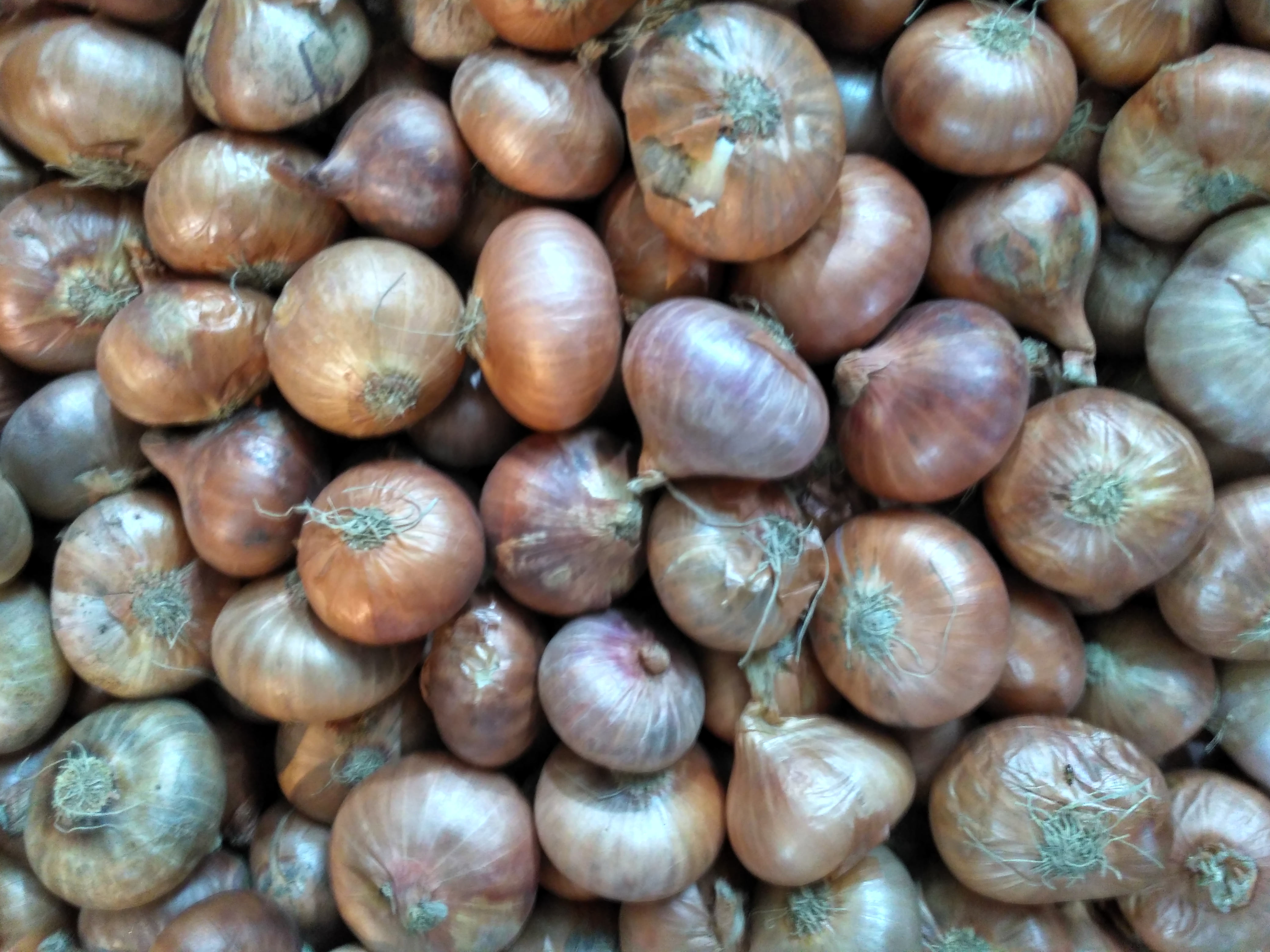
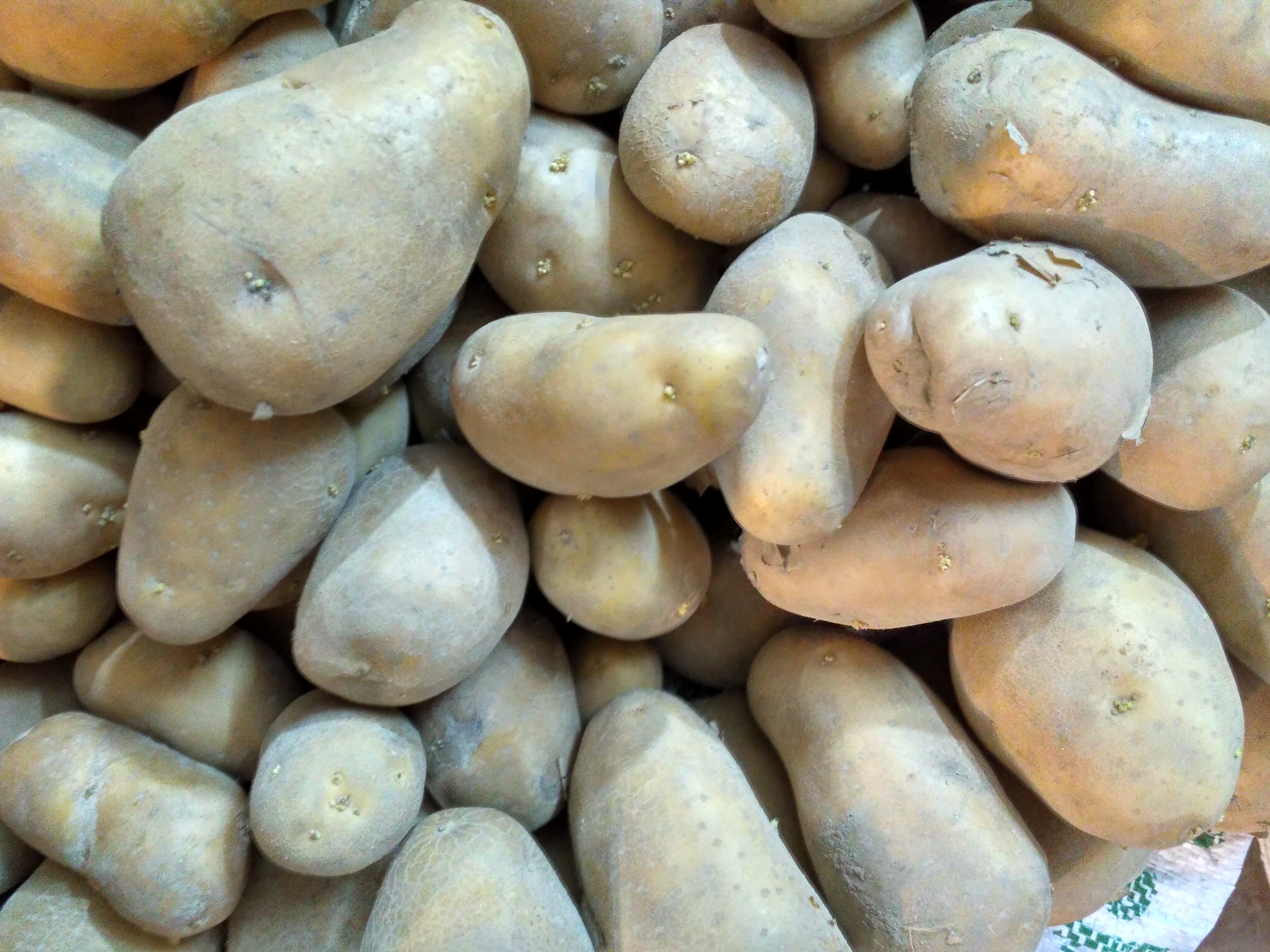
Potatoes and onions, two other items on the list, had been the subject of a tax decision three weeks before the drive. On 5 September 2024 the National Board of Revenue (NBR) announced, in a notice and press release reported by UNB and Prothom Alo, that it was cutting the import duty on potatoes from 25 percent to 15 percent and fully withdrawing the 3 percent regulatory duty on potatoes. It also fully withdrew the 5 percent regulatory duty on onion imports. The same decision cut the import duty on pesticides from 25 percent to 5 percent. The NBR said the lower rates would apply only until 30 November 2024, and the measures were described as aimed at keeping the prices of these goods at a reasonable level.
Both crops matter to the domestic market. Citing the Bangladesh Bureau of Statistics, Prothom Alo reported in June 2023 that onion production had passed 2.5 million tonnes in fiscal 2021-22, about 45 percent more than six years earlier, while the country was still importing about 700,000 tonnes of onions a year. The same report, citing FAO data, put Bangladesh's potato production at 9.8 million tonnes in 2021.
Hilsa: the national fish and the export decision
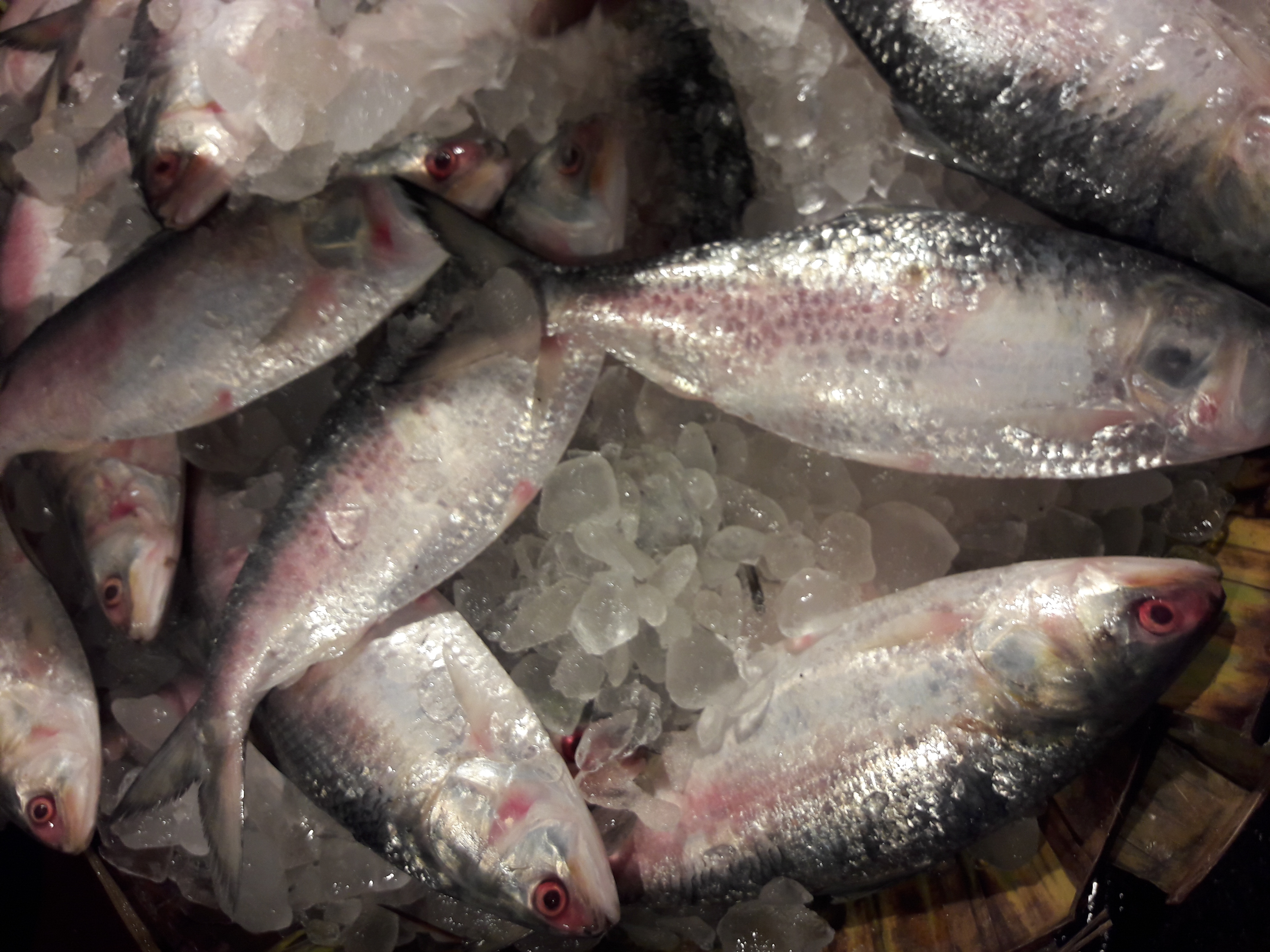
Hilsa headed the directorate's list. Four days before the drive, on 21 September 2024, the commerce ministry announced that 3,000 tonnes of hilsa would be allowed for export to India ahead of Durga Puja, citing a letter from the Ministry of Foreign Affairs. According to The Daily Star of 22 September, Bangladesh usually exports hilsa to India before the Durga Puja festival each year as a goodwill gesture. The commerce adviser told the paper the decision was made considering the "greater interests of the country", said 3,000 tonnes was less than 0.5 percent of total hilsa production, and said hilsa is smuggled to India and that exports would bring in some US dollars. The fisheries and livestock adviser, who had said on 11 August that she did not approve of sending hilsa abroad without meeting domestic needs, said the commerce ministry had made the decision and that the government was committed to ensuring hilsa for the people of Bangladesh.
Department of Fisheries data cited in the same report showed that 664.86 tonnes of hilsa were exported to India in fiscal 2023-24, earning $7.71 million. Production had grown over the previous decade and a half: in a written reply to parliament in May 2024, the fisheries and livestock ministry said hilsa production had risen from 0.299 million tonnes in fiscal 2008-09 to 0.571 million tonnes in fiscal 2022-23, attributed the rise to government initiatives, and noted that the monthly VGF rice allocation for fishermen had been raised from 10 kg to 40 kg.
Hilsa (Tenualosa ilisha) belongs to the herring family, Clupeidae, and has been designated the national fish of Bangladesh, according to Banglapedia, the national encyclopedia. The young fish is known as jatka. It grows up to 60 cm, though 35 to 40 cm is more common, and a large fish can weigh about 2.5 kg. Hilsa is anadromous: adults move up rivers to breed in fresh water, the young grow in river channels and then go down to the sea to feed, returning to the rivers as mature adults. The fish spawns through the year, with a minor season in February and March and a major one in September and October, and the Padma, Jamuna and Meghna are among the main upstream spawning rivers. The drives of 25 September therefore fell within the main spawning season.
The price backdrop in September 2024
The drives took place against high inflation. Data released by the Bangladesh Bureau of Statistics on 8 September 2024 put overall inflation at 10.49 percent in August, down from 11.66 percent in July, and food inflation at 11.36 percent in August, down from 14.10 percent in July, according to The Daily Star. Non-food inflation was 9.74 percent in August against 9.68 percent in July.
On 24 September 2024, the day before the drives, Bangladesh Bank raised its policy rate by 50 basis points to 9.50 percent, effective from 25 September, to rein in inflation. The central bank's aim, as The Daily Star reported, was to make bank borrowing more expensive so that spending and demand would fall.
Photo: Wasiul Bahar / Wikimedia Commons (CC BY-SA 4.0)
Sources: Jagonews24, Consumer Rights Protection Act 2009 (bdlaws, Legislative and Parliamentary Affairs Division), Dhaka Tribune, Department of Livestock Services, Prothom Alo, UNB, The Business Standard, The Daily Star, The Financial Express, Banglapedia
Comments
(0)