
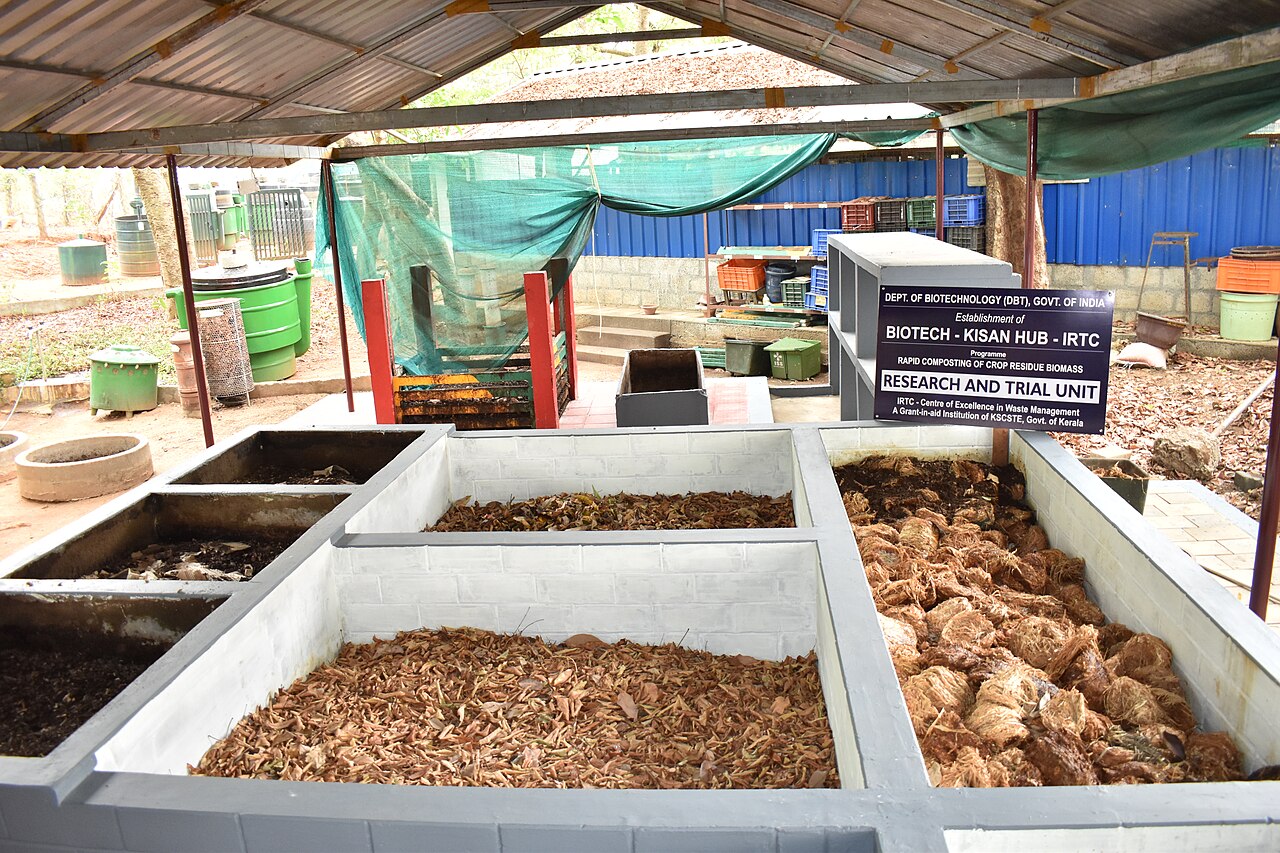
Compost tea, a term heard often around regenerative agriculture, is a way of using water to pull microorganisms out of finished compost and apply them to the soil, Morning Ag Clips explains from a visit to the Chico State University Farm in California with Declan Ramsay-Malone, a master's student in regenerative agriculture and intern at the farm's organic vegetable unit.
It starts with good compost, which the report describes as a living ecosystem of bacteria, fungi and other microscopic organisms. The farm balances nitrogen-rich "greens" and carbon-rich "browns", turns the pile so it reaches temperatures high enough to deal with potential pathogens and weed seeds, then ages it out of direct sun, wind and rain while watching its moisture.
Finished compost goes into a brewer filled with water, where air bubbles agitate it and help the microorganisms move into the liquid. Because the farm uses chlorinated city water, the water is aerated first so the chlorine can off-gas. Strictly, what the farm makes is a compost extract: a traditional compost tea is brewed with an added food source to encourage microbes to multiply, while the extract uses only water and agitation.
The extract is applied as a soil drench or through the irrigation system, pumped by a submersible pump through the lines; the farm filters it so small pieces of organic matter do not clog drip tape, and returns the leftover solids to the compost pile. It is used after soil disturbance such as tillage, when appropriate, and while crops are growing.
The aim, the report says, is not simply to add nutrients but to support the soil food web, particularly fungal activity. Soil organisms contribute to decomposition, nutrient cycling and soil structure, which can influence how water soaks in and is held. Where conventional fertilisers deliver specific nutrients to plants, compost and biological amendments ask what can be done to support the living system in the soil.
Photo: Forprajeesh / Wikimedia Commons (CC BY-SA 4.0)
Source: Morning Ag Clips
Comments
(0)