
As farming leans more on digital tools, the ability of different platforms to share data has become a real problem for the industry. In an episode of CropLife's Ag Tech Talk, Samantha Murray, head of product data at Compass Regulatory, explained how disconnected systems and inconsistent data create inefficiency and make regulatory compliance harder.
Her work centres on a practical difficulty: keeping crop protection label data accurate as it moves between companies, retailers and software platforms. The task has become more complex with the US Environmental Protection Agency's requirements under the Endangered Species Act, which better-connected regulatory information could make easier to meet.
The biggest barrier to a common language, Murray said, is agreeing on definitions. "Two organizations may use the same word to describe slightly different things, or use different words to describe the same thing." Without shared definitions, data cannot be exchanged and read consistently from one company to the next.
The second barrier is money. Retailers and software firms hold years of records built around the data their systems already use, and adopting a new standard means mapping all of that history onto it, which takes time and resources.
Looking three to five years out, she pointed to the digital label initiative of AgroGuide in the EU as an example of what is possible. In the US, she said, crop protection companies working with federal and state agencies to move towards digital labels could help speed review and approval, getting products to the field more quickly.
For retailers, applicators and growers, better-connected data could mean less time reconciling information across systems and more time in the field advising customers, and access to the most current information would reduce operational risk.
"Some of the building blocks already exist," Murray said; the opportunity lies in wider adoption, stronger connections and better communication when data changes. Reliable foundational data and a shared vocabulary, she argued, would let companies spend less effort maintaining information and more on building tools that farmers find useful.
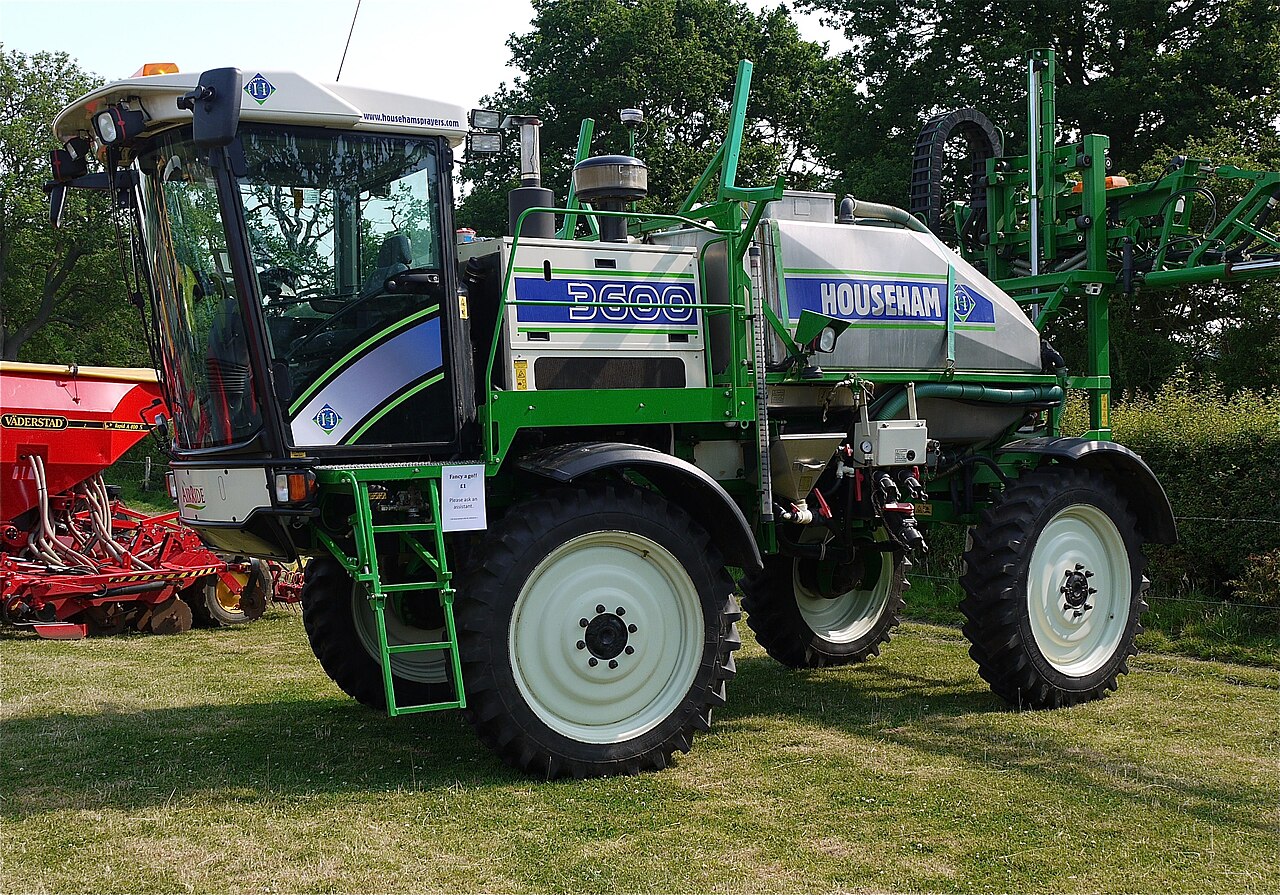
Photo: Mick from Northamptonshire / Wikimedia Commons (CC BY 2.0)
Source: CropLife


Comments
(0)