
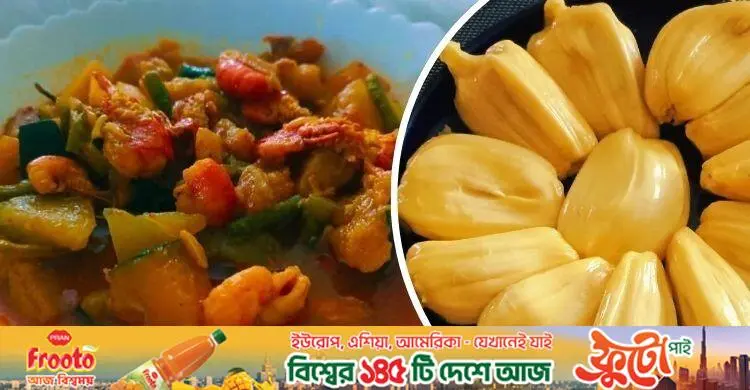
Food is the first and most important of the five basic human needs; no one can live without it. Food needs differ with age: children and adults do not eat the same things, nor do they share the same tastes. Newborns drink only breast milk, and as they grow a little older they need rice, fish, eggs and colourful fruit such as bananas, papaya and mango alongside it.
It is not enough to feed children colourful vegetables and fruit after birth; the pregnant mother must eat them too. Pregnant and breastfeeding mothers need rather more of them, such as red amaranth, taro leaves, Malabar spinach, bottle gourd leaves, spinach, mango, banana, papaya, carrot, pomegranate, sweet pumpkin, bitter gourd, snake gourd and yardlong beans. Red amaranth stands out among leafy greens because it contains more calcium than the others.
Why colour matters
There is no substitute for a balanced diet for a child's healthy physical and mental development. Some foods make up for shortfalls in protein, calcium and vitamins, yet many children today are more interested in fast food, soft drinks and heavily processed food, and so miss out on vitamins, minerals and fibre. That is why children should get into the habit of having colourful vegetables and fruit in their daily diet.
Colourful vegetables and fruit do not just make a meal look good; they are important sources of nutrients. Green leaves, red tomatoes, orange carrots, purple cabbage, yellow pumpkin and fruit of every colour each carry different nutritional value. Their vitamins A, C and E, folate (vitamin B9), potassium and antioxidants help boost a child's immunity and ensure healthy growth.
Green vegetables contain iron, calcium and folic acid, which help prevent anaemia and keep bones strong. Beta-carotene in orange foods such as carrots, pumpkin and papaya plays an important role in good eyesight. Lycopene in watermelon, tomatoes and red capsicum protects the body's cells, and anthocyanins in purple or bluish fruit such as grapes and jam (black plum) help brain development.
Making it appealing and safe
Instead of forcing children to eat, food can be served attractively: arrange the plate with fruit and vegetables of different colours, cut them into fun shapes, or add them to soup, salad, sandwiches or smoothies, and children readily take an interest.
When other family members eat fruit and vegetables regularly, children pick up the habit too. But colour is not enough; food safety matters as well. Fruit and vegetables must be washed thoroughly before serving, and it is important to check that fruit is not spoiled or insect-damaged. Seasonal, fresh produce should be chosen for children, and natural food is far better for them than food with added sugar, salt or artificial colour.
Experts believe that eating vegetables and fruit of different colours every day helps reduce children's nutritional deficiencies and lowers the risk of various diseases in the long run. Today's children are tomorrow's future, and the more natural colours in a child's diet, the better the chance of a healthy, lively upbringing.
Colourful, vitamin-rich vegetables and fruit are available in every season in Bangladesh, and some local fruits are more beneficial than expensive imported ones. Such produce not only adds variety to a child's diet but also lays a foundation for a healthy, strong and capable future. So let colourful vegetables and fruit be part of every child's daily diet, starting today.
Source: Jagonews24. First published in Bengali on The Agro News.
Comments
(0)