
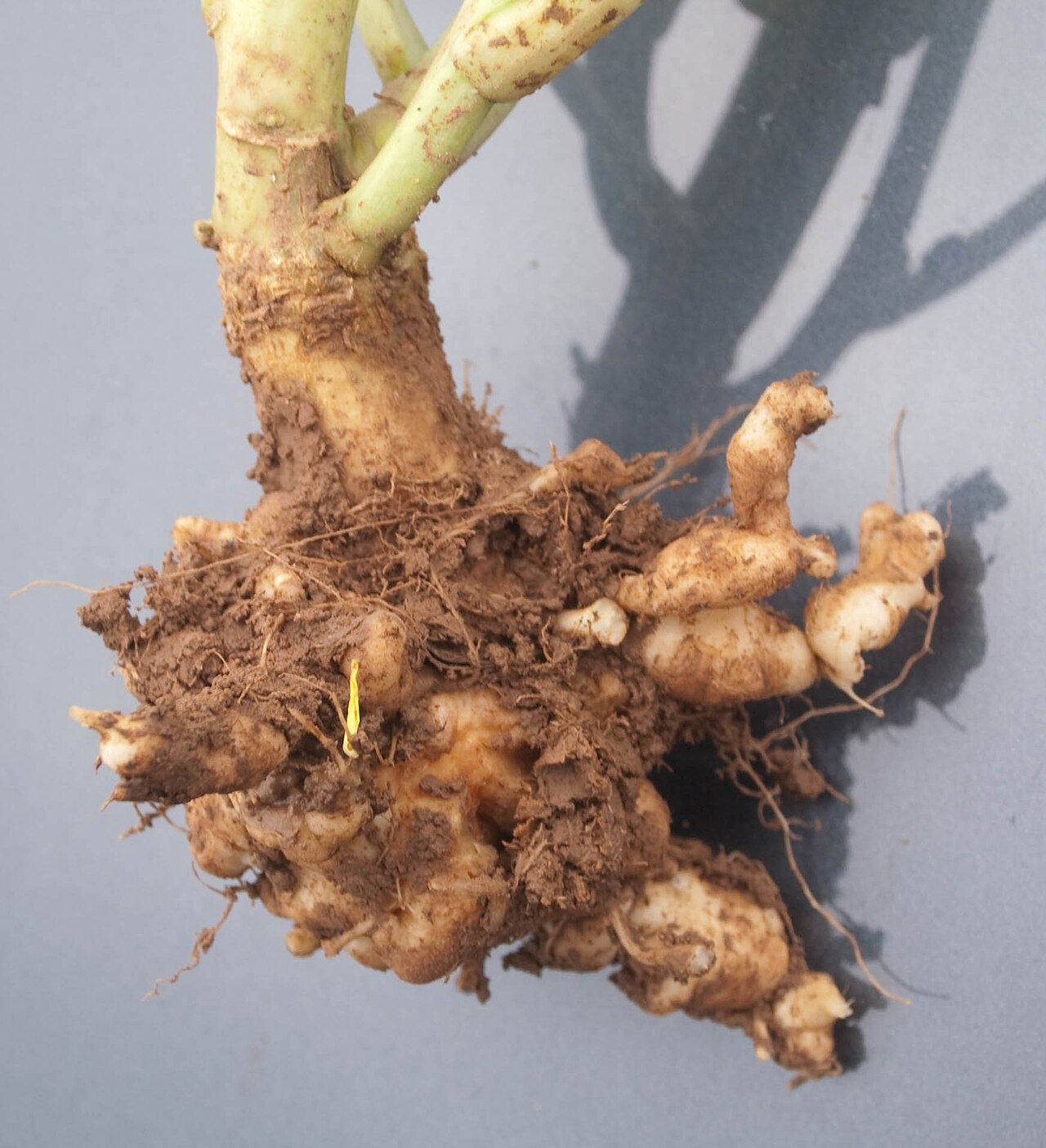
Clubroot, a soil-borne disease of all brassica crops from oilseed rape to cabbages, is becoming a growing worry for Irish growers, Agriland reported on 14 November, with anecdotal evidence that cases are rising. Worldwide, clubroot is estimated to cost 10-15% of brassica production.
The disease starts when chemicals from growing brassica roots wake dormant spores in the soil. The spores swim through wet soil to the root hairs, enter the cells and change the plant's hormone balance, so root cells divide wildly into the swollen galls typical of the disease. Infected roots stop working properly, plants grow poorly and often die, and the galls rot late in the season, releasing new spores.
It is hard to control because resting spores can survive in the soil for more than 20 years until a brassica crop is grown again. In Ireland its spread is thought to have been helped by brassica species in cover crop mixes and by the larger area of oilseed rape.
The answer, Agriland reports, is integrated pest management that starts with surveillance, because clubroot strains are genetically diverse and differ in which crops they can infect. The SAFE project, funded by the Department of Agriculture, Food and the Marine and run by NUI Maynooth and Teagasc, is surveying soils, identifying the strains across the country and tracing the riskiest routes by which spores move between fields.
From those results the team will design practical measures: early detection, guidance on variety choice and farming practices that cut the spore load and stop new introductions. Teagasc is asking tillage farmers and horticultural growers to report any clubroot they have seen on their farms in recent years.
Reporting by Richard Halleron for Agriland.
Photo: Leafhopper65 / Wikimedia Commons (public domain)
Source: Agriland

Comments
(0)