
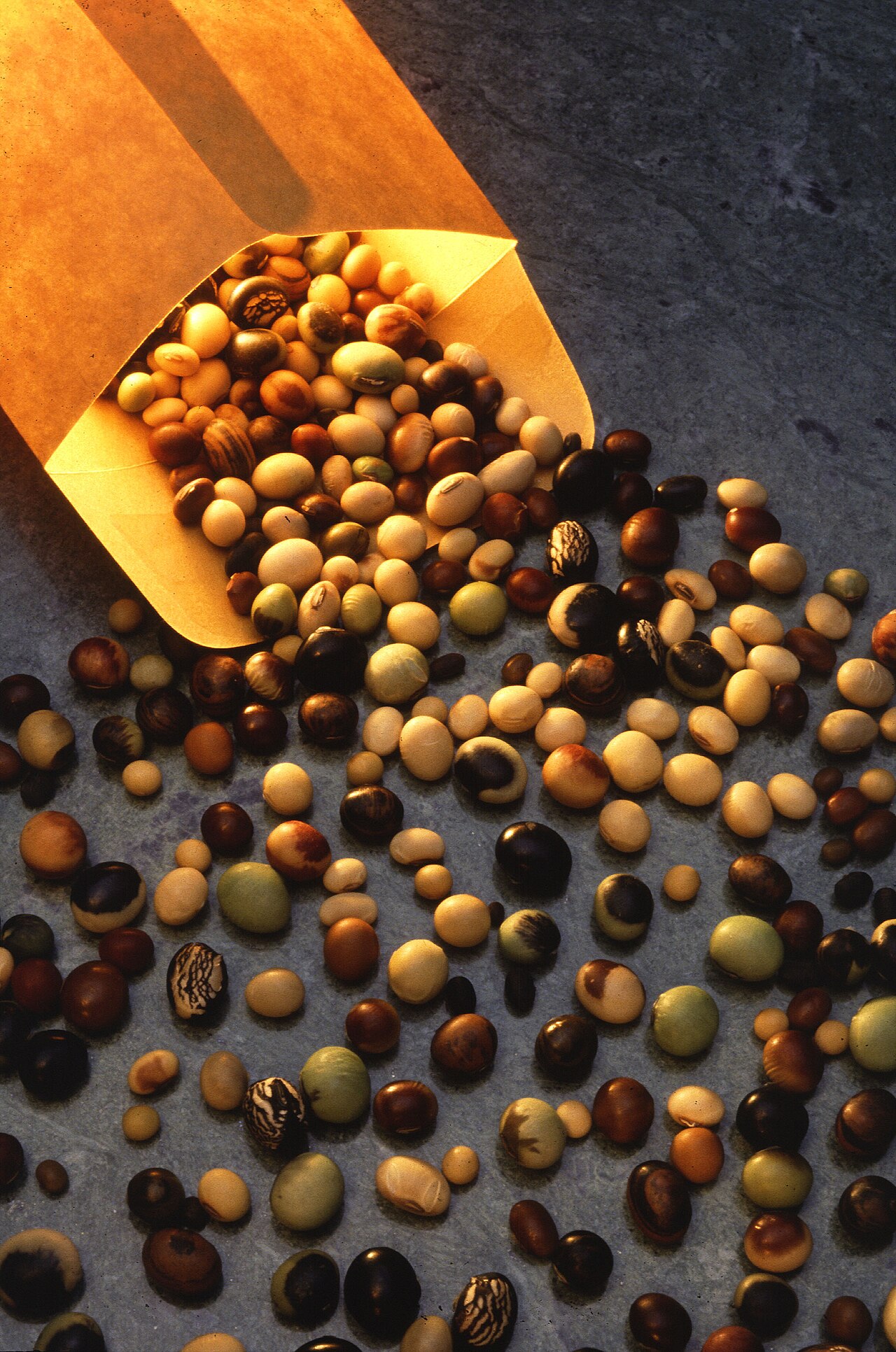
Researchers at the University of Arkansas Division of Agriculture have identified peptides from soybeans that may work as natural alternatives to synthetic food preservatives, Farms.com reports. The study, led by Mahfuzur Rahman and Sukanya Poddar with soybean breeder Caio Vieira, was published in Food Chemistry.
Foods containing fats and oils react with oxygen over time, which gives mayonnaise, salad dressings, oils and nuts stale or rancid flavours, odours and textures. Manufacturers slow this with antioxidants, including synthetic compounds such as EDTA that stop iron and copper from speeding up oxidation. "Lipid oxidation is one of the major reasons foods lose quality during storage," Rahman said.
The team broke down proteins from eight high-protein soybean breeding lines into peptides, small protein fragments, by hydrolysis, and tested how well they neutralised free radicals and bound metals. All eight bound metals to some degree, but two lines, SP1 and SP4, corresponding to the varieties R11-7999 and R05-1772, showed stronger antioxidant activity and free-radical scavenging. "What those peptides do is actually bind with iron and copper ions and make them inactive so that they cannot initiate oxidation," Poddar said.
The varieties are not yet commercially available, but the researchers say the findings could guide breeding of soybeans for specific food uses, opening premium markets for growers. "With lower commodity prices and strong competition, developing varieties with seed composition traits tailored to specific food uses could help Arkansas soybeans stand out in the marketplace," Vieira said. The work was funded by producer checkoff money through the Arkansas Soybean Promotion Board.
The project is still at the development stage. The next step is to test the peptides in foods, including mayonnaise, to see how they perform in real products.
Photo: Scott Bauer / Wikimedia Commons (public domain)
Source: Farms.com


Comments
(0)