
Bangladesh often fails to receive money set aside for it in international climate funds because of gaps in preparing project proposals, documents and other conditions, according to Kazi Rownakul Islam, managing director of the Bangladesh Climate Change Trust. Speaking to Samakal on the sidelines of the COP31 climate conference in Antalya, Turkey, he said government work processes need more skill and capacity.
Nobody leaves a climate conference with money in hand, he said; decisions come out of discussion, bargaining and agreement among countries. Bangladesh’s gain is to put its climate crisis and the problems of affected people before the world and press harder for finance. What the country receives now is not enough to deal with the damage climate change causes, in his view.
According to Samakal, Bangladesh is set to receive a grant of at least 30 million euros (about Tk 415 crore) under the Global Shield programme against climate shocks and disaster-related financial risk. The money is for disaster preparedness against floods, cyclones and other hazards, for insurance and for institutional capacity, and a further 20 million US dollars may follow if the first phase succeeds. The Climate Investment Funds (CIF) has also announced 30 million dollars to make Bangladesh more climate-resilient.
Solving Bangladesh’s water problems alone needs at least five to seven billion dollars, Rownakul Islam said, while one conference might yield perhaps 100 million dollars for a single sector. Developed countries also weigh what extra taxes would do to their own industries, so everything has to be calculated.
Bangladesh’s main demand, he said, is more climate finance, paid to affected countries according to their needs, and an increase in what developed countries’ industries pay for pollution. "There is no room to see this as a grant or as charity," he said. Those who pollute more must pay in line with their responsibility.
Prime Minister Tarique Rahman told the conference about the suffering of coastal people, the water crisis and the damage to livelihoods and the environment, Rownakul Islam said, and he hopes the new government will act more effectively to make access to international climate funds simpler and faster. The interview was conducted by Samakal’s Zahidur Rahman.
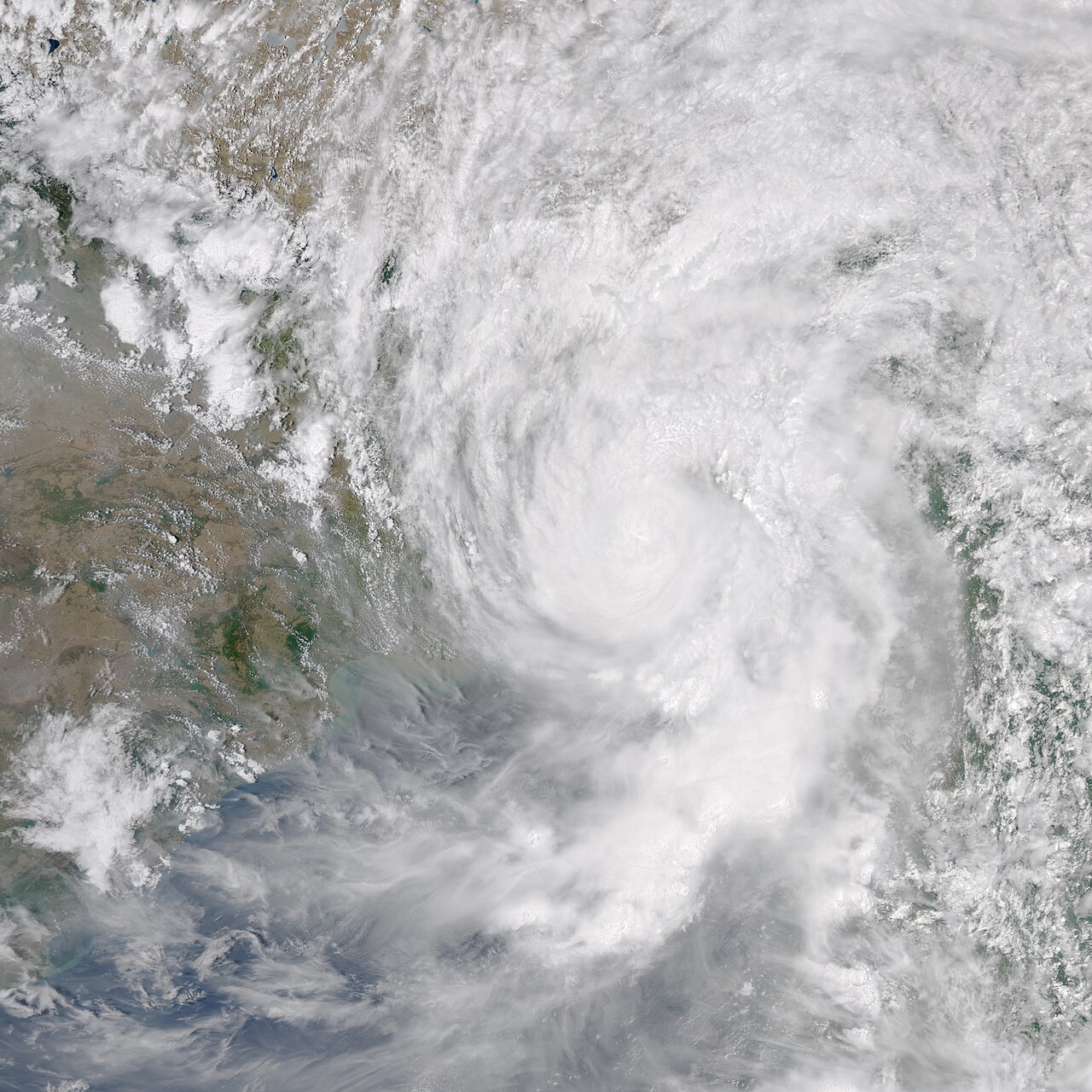
Photo: NASA Earth Observatory (Jesse Allen) / Wikimedia Commons (public domain)
Source: Samakal

Comments
(0)