
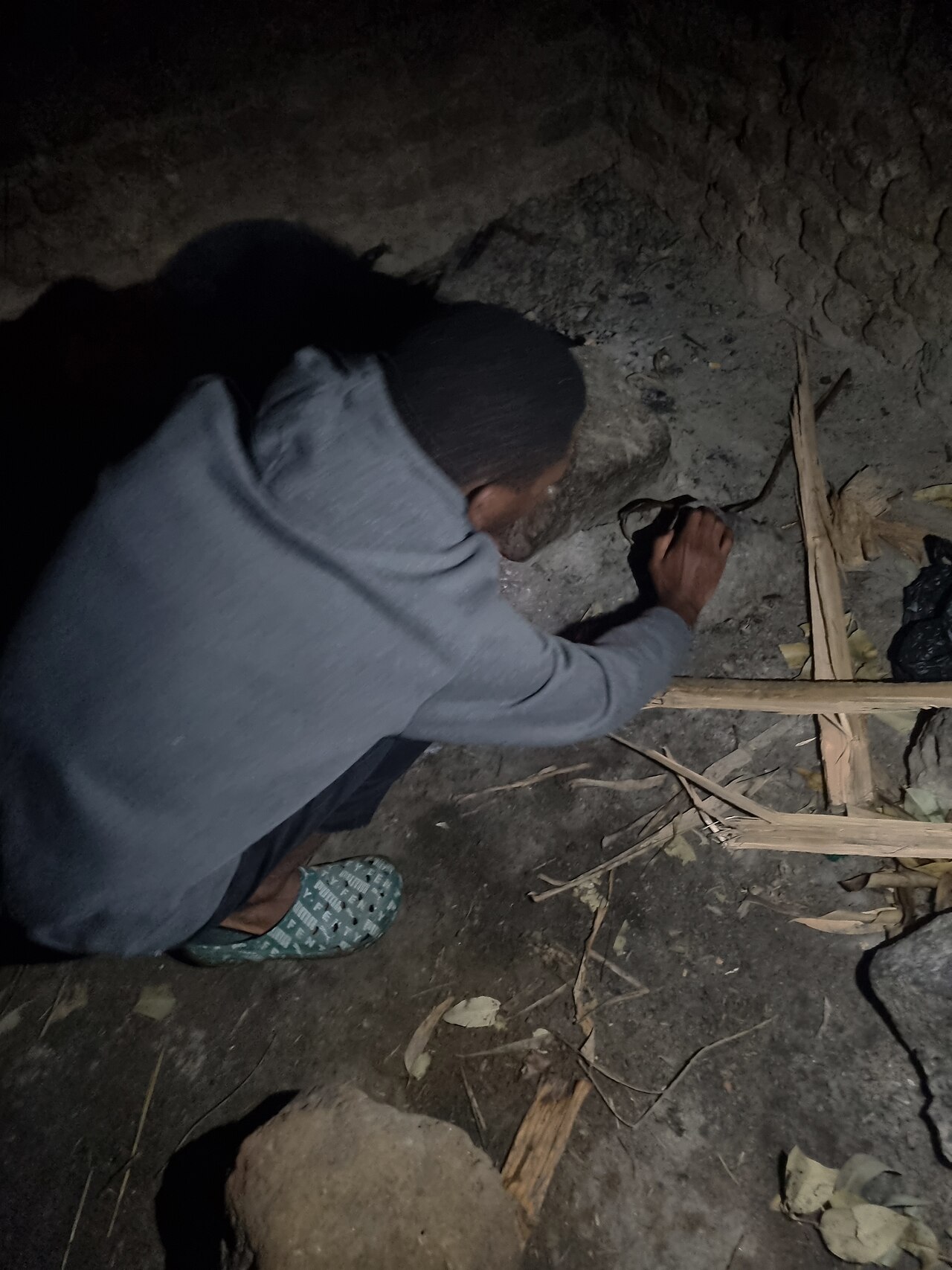
Cooking with dirty fuels returned to the global agenda at the first high-level event on the issue during the UN General Assembly on 22 September, convened by the International Energy Agency (IEA) with Norway and Kenya. Household air pollution from cooking causes an estimated 2.5 million premature deaths worldwide each year, and in Africa, where four in five people cook over open fires and basic stoves, it is the second leading cause of premature death among women and children.
Burning charcoal, firewood, coal, kerosene and farm waste in basic stoves also emits greenhouse gases and, where wood comes from forests, eats into carbon sinks. The IEA estimates that switching to cleaner options such as LPG and electric hotplates would bring a net reduction of 1.5 gigatons of CO2-equivalent by 2030, once lower methane and saved forests are counted.
The 2024 Summit on Clean Cooking in Africa mobilised more than $2.2 billion in pledges; the IEA says over a third has been deployed across 28 countries, more than 120 new policies have been adopted, and the pace of access is 30 percent above the five-year average. It estimates that about $4 billion a year would give every African household clean cooking by 2030. "We can solve this problem in Africa," IEA executive director Fatih Birol said, urging Europe to lead.
Carbon credits from cookstove projects are one funding source, but one study found such projects overstate their climate benefits by 1,000 percent on average; the Clean Cooking Alliance is pushing tighter methodologies. The report was written by Lottie Limb.
Photo: MUCUNGUZI Jr ANOLD / Wikimedia Commons (CC BY-SA 4.0)
Source: Euronews, Green/Agriculture

Comments
(0)