
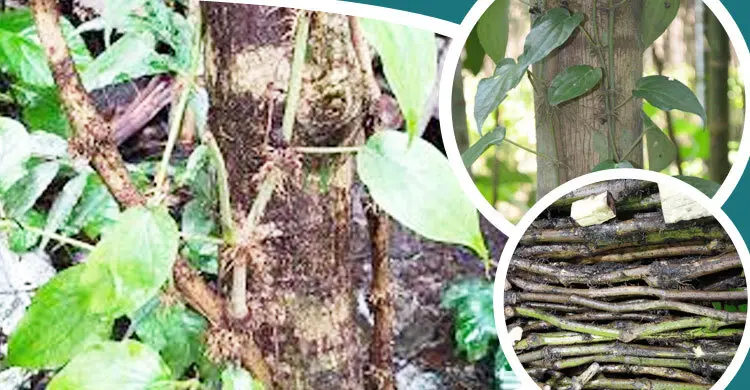
Chui jhal is a climbing plant with medicinal properties that many people put to various uses. It is a vine-type forest crop of tropical regions and grows very well in almost all South Asian countries. India, Nepal, Bhutan, Burma, Malaysia, Indonesia, Singapore, Sri Lanka and Thailand are suitable for chui cultivation. Some farmers in Bangladesh have been growing chui jhal on their own initiative to meet their needs.
Planting method
Chui jhal grows by climbing on other trees, and it also grows as a creeper along the ground. The vine grows with any tree, but does well on mango, jackfruit, mahogany, betel nut, shimul, coconut and kafla (jiyol) trees. Chui grown on mango, kafla and jackfruit is of the best quality. Mix a little cow dung into the soil at the foot of the host tree and plant one node of the vine underground; it starts growing within a few days. The vine can be cut within 10-12 months, and chui jhal grows with ordinary care.
Planting time
Baishakh-Jaishtha (April-May) and Ashwin-Kartik (October-November) are the right months for planting chui jhal vines.
In vegetative propagation, or vine cutting, the stem or branch is cut 50-75 centimetres long and planted directly in the soil. Locally the cutting or branch is called a por, and each por has at least 4-5 nodes. Commercially, seedlings are raised in polybags and then planted from the polybags into the main field.
Land and soil
Chui jhal is usually grown on loam and sandy loam soil, on shaded high land with good drainage. It needs no special soil or land; land suitable for an ordinary fruit orchard or tree garden is suitable for chui. Take care that water does not collect at the foot of the plant in the rains or floods.
Propagation
It can be propagated from seed and from vine cuttings, but cuttings grow faster and give a crop sooner. Propagation from seed is complex and time-consuming. In our country it is propagated only from vines. Chui jhal seedlings are available at almost all nurseries in the south of the country.
Treating cuttings
Chui jhal cuttings must be treated before planting. Mix 2-3 grams of Provax, Noin, Bavistin or another suitable chemical in 1 litre of water and soak the cuttings for 30 minutes. Then wash them in clean water and plant them. This prevents or reduces disease and pest attacks, and the vine grows well.
Fertiliser and irrigation
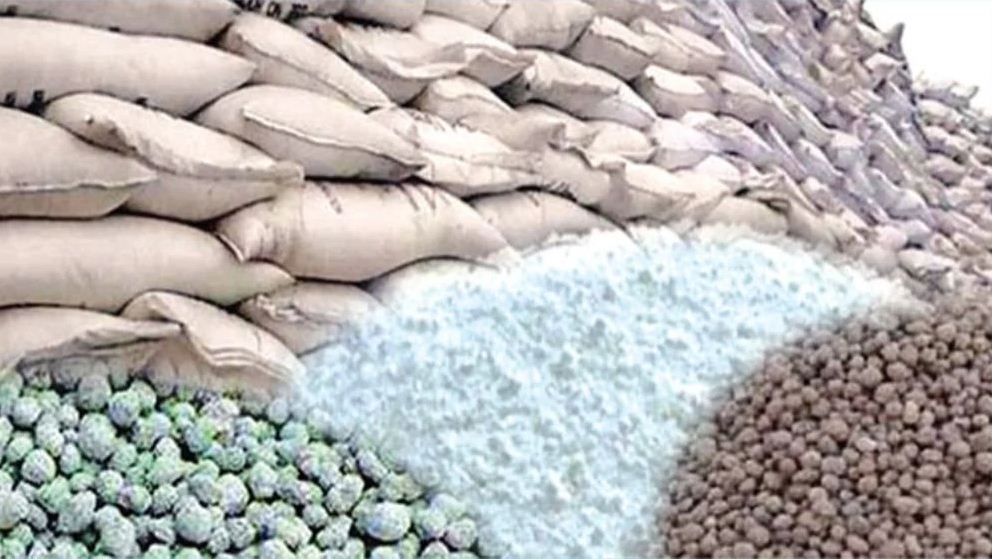
Chui jhal usually needs no chemical fertiliser. Before planting the por or branch, you can put rotted refuse, ash or cow dung in the pit. Some growers, following the agriculture department's advice, apply urea, TSP and MOP at normal rates before and after the rains, one arm's length from the base of the plant. Irrigation is needed in the dry season; watering the base at least once a week keeps growth normal. In the rainy season, take special care that water does not collect at the base.
Providing support
Being a vine, chui jhal needs support to climb, and any tree can be used for this. It can also grow on the ground without support, and in other countries it is grown without any support, but in that case the vine is quite badly damaged in the rainy season.
Harvest
Chui jhal becomes fit to eat within a year of planting, but 5-6-year-old plants are best for a good yield, giving 2.0 to 2.5 tonnes per hectare. A 5-6-year-old plant yields about 15-25 kg of chui jhal vine a year.
Information: Agricultural Information Service (AIS).
Source: Jagonews24. First published in Bengali on The Agro News.
Comments
(0)